Posted on

Restoration and Rebuild in Washington, DC: 2026 HPRB Guide

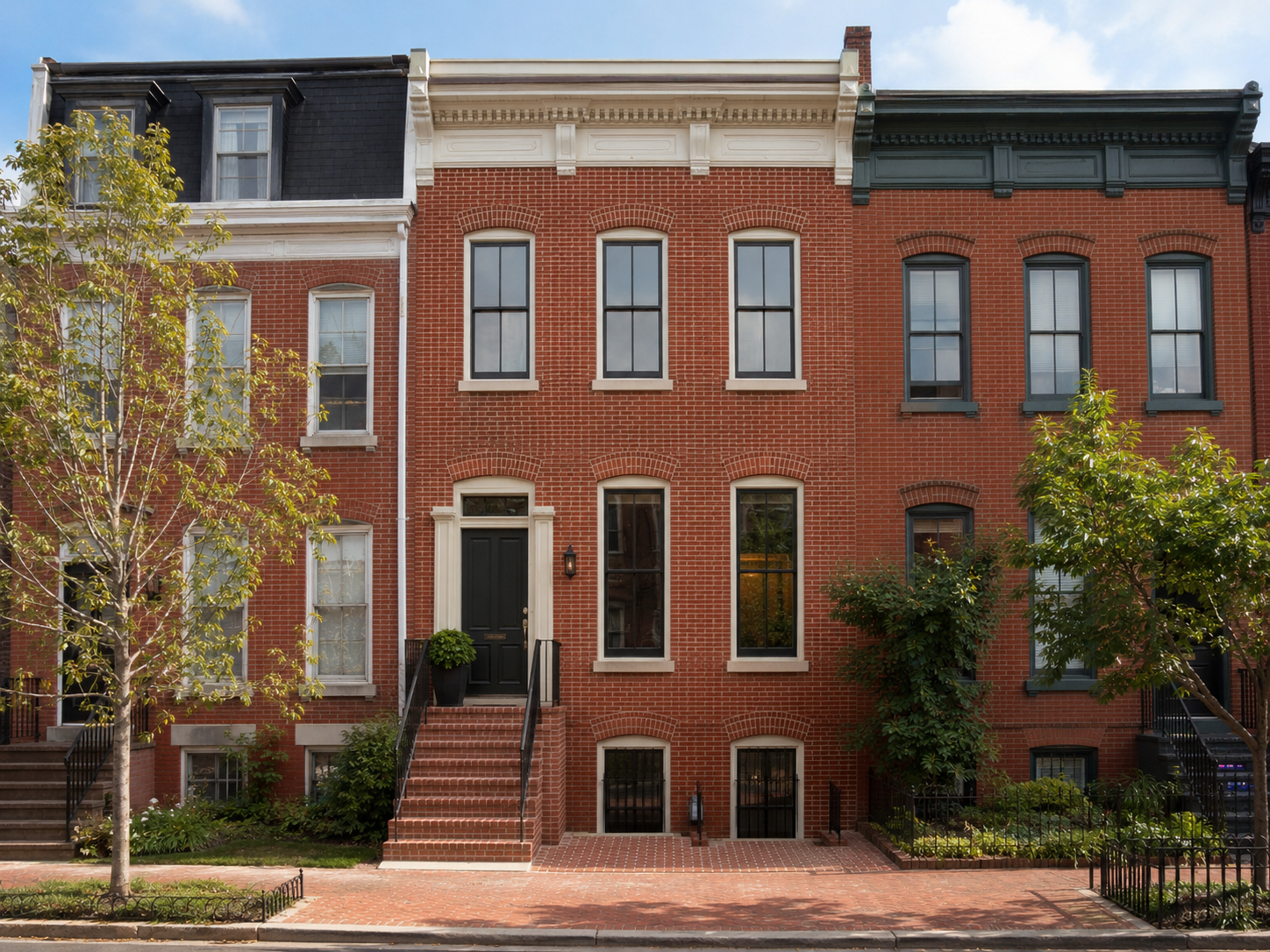
Restored historic rowhouse facade after fire damage repair in Washington, DC

Restoration and Rebuild in Washington, DC: What Homeowners Need to Know in 2026

Washington homeowners facing fire or water damage own a home that often falls under one of the strictest preservation frameworks in the country. Roughly 20 percent of DC buildings carry historic designation. Any exterior masonry work visible from the street generally needs approval from the Historic Preservation Review Board before repairs begin. A damaged facade cannot simply get patched with modern materials.

That requirement changes both the timeline and the budget for a rowhouse rebuild. Restoring a historic DC rowhouse with approved materials typically runs $400 to $600 or more per square foot. That figure includes plaster walls, wood windows, and period-appropriate trim. Standard construction without those requirements costs closer to $150 to $200 per square foot.

At H&C Construction Design Build, we serve Washington homeowners with Restoration & Rebuild projects across Capitol Hill, Petworth, Columbia Heights, and Brookland. Here is what DC homeowners should know before starting a restoration project in 2026.

Why Historic Rowhouses Require Special Restoration Planning

HPRB review applies to most exterior repairs. Repointing brick, replacing damaged masonry, or repairing a facade visible from the street all typically require approval before work begins.

Narrow rowhouses complicate the physical work itself. Tight staircases and cramped crawl spaces make hauling out fire or water damaged materials genuinely difficult in many historic DC homes.

Underinsurance is a real and common risk. Standard fire coverage handles accidental damage, but any layout changes or upgrades made during the rebuild fall outside that coverage and become the homeowner’s responsibility.

What Restoration and Rebuild Costs in Washington, DC in 2026

Restoration costs vary enormously depending on historic status, damage severity, and whether approved period materials are required.

Non-historic restoration: closer to standard construction pricing, generally $150 to $200 per square foot for structural repairs and rebuild work.

Historic rowhouse restoration: $400 to $600 or more per square foot once approved materials like plaster, wood windows, and period trim enter the scope.

Insurance coverage gaps. Homeowners are responsible for any upgrades or layout changes beyond simply restoring the home to its prior condition. Confirming dwelling coverage matches actual DC rebuilding costs matters before disaster strikes, not after.

Why DC Restoration Projects Need Extra Coordination

Confirming historic district status happens first. This single fact determines whether HPRB review adds weeks to the restoration timeline before construction can even begin.

Material sourcing takes real lead time in historic districts. Wood windows and period-appropriate trim built to HPRB specifications are not something a contractor can pick up off a shelf.

Access planning matters more in narrow rowhouses. Confirming how damaged materials will actually get removed, and how new materials will get in, belongs early in project planning.

The Restoration and Rebuild Process for a DC Home

Emergency mitigation happens immediately. Securing the property and addressing active water or fire damage comes first, often within hours.

Confirming historic status follows quickly. This determines whether HPRB approval needs to happen before exterior repairs can proceed.

Insurance documentation and filing move in parallel. A thorough damage assessment supports the claim and clarifies what the policy actually covers.

Final inspection closes out the project. Each trade signs off as its portion completes, restoring the home to full, code-compliant, and where applicable, HPRB-approved condition.

What DC Homeowners Value Most in a Restoration Partner

HPRB experience saves real time. A contractor who has taken a restoration through historic review before can move the process forward instead of guessing at requirements.

A rebuild that matches the original home preserves its value. The finished result should be indistinguishable from the home’s original historic character, not an obvious modern patch.

Honest insurance guidance reduces stress significantly. Homeowners consistently say understanding the coverage gap before the rebuild begins prevented a difficult surprise later.

How to Choose a Restoration and Rebuild Contractor in DC

Confirm proper licensing first. Verify your contractor holds an active DC Department of Buildings license, and confirm liability coverage that meets the District’s requirements.

Ask specifically about HPRB restoration experience. A contractor who regularly works with the Historic Preservation Review Board can explain material requirements clearly. One who has not may not know the process exists.

Review a local portfolio of comparable restorations. Ask for photos and addresses of completed historic restoration projects in DC from the past two years, then call the homeowners directly.

Get the full material and insurance scope in writing. Approved materials, HPRB timelines, and coverage gaps should all appear clearly in the contract.

H&C Construction: Restoration and Rebuild in Washington, DC

H&C Construction Design Build serves Washington homeowners with restoration and rebuild projects across Capitol Hill, Petworth, Columbia Heights, Brookland, and the surrounding District area.

Our team manages HPRB historic review, material sourcing, and insurance documentation together, so a historic rowhouse restoration moves forward correctly from the start.

Some DC restoration projects become an opportunity to upgrade. If you’re also considering a Kitchen Remodeling project or a Bathroom Remodeling scope during the rebuild, we coordinate that work under the same contract. Our Home Additions and Basement Remodeling teams work the same way when a restoration touches those areas of the home.

Browse completed restoration and whole-home renovation projects in our Our Remodeling Projects portfolio.

Facing Fire or Water Damage in Washington, DC?

Whether you need emergency mitigation right now or you are planning a full historic rebuild after damage, our design-build team gives you fast response and honest HPRB and insurance guidance before you commit to anything.

Explore our Restoration & Rebuild service and request a consultation to start your DC project today.
Posted on

Restoration and Rebuild in Arlington, VA: 2026 Insurance Guide

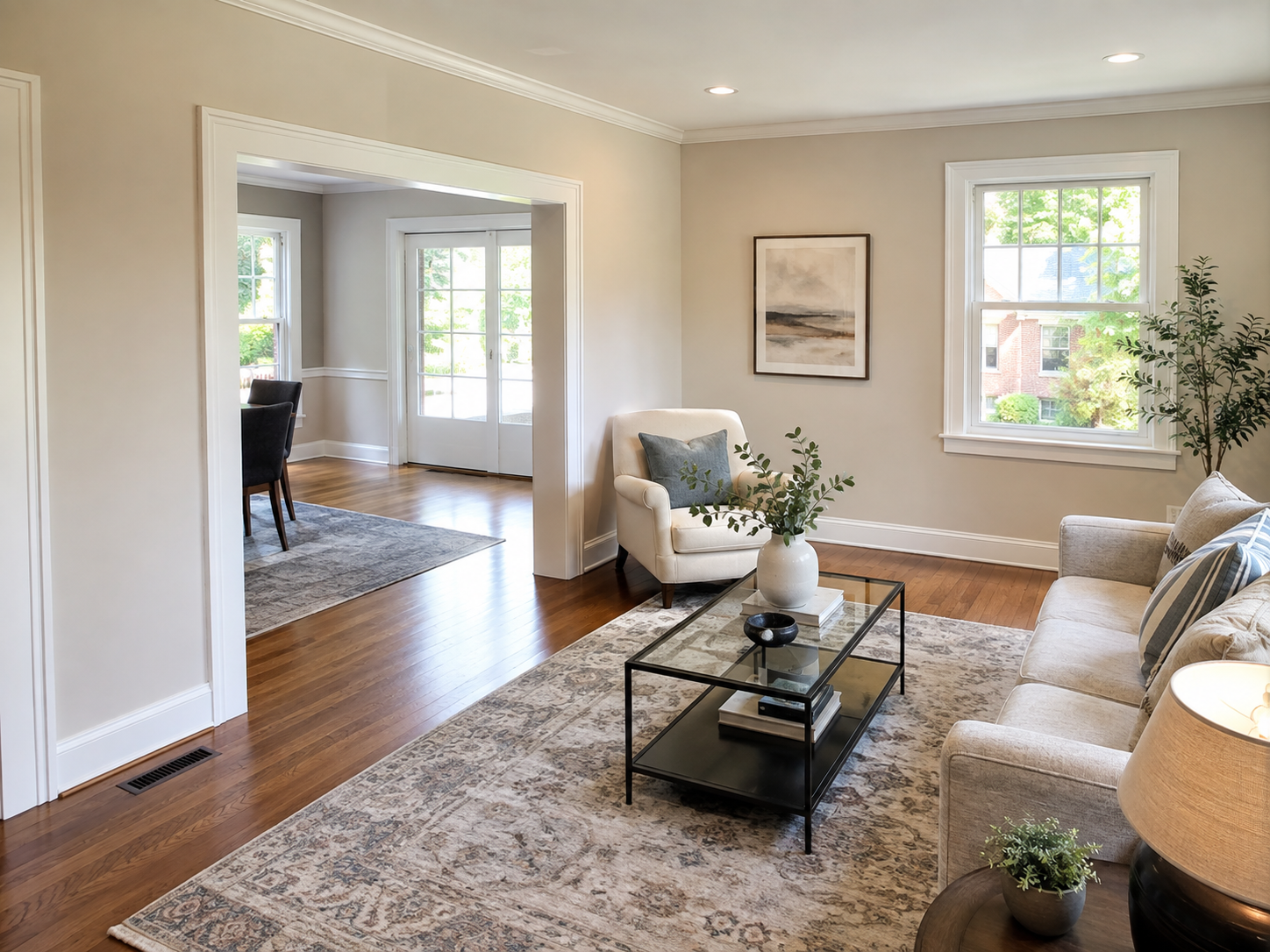
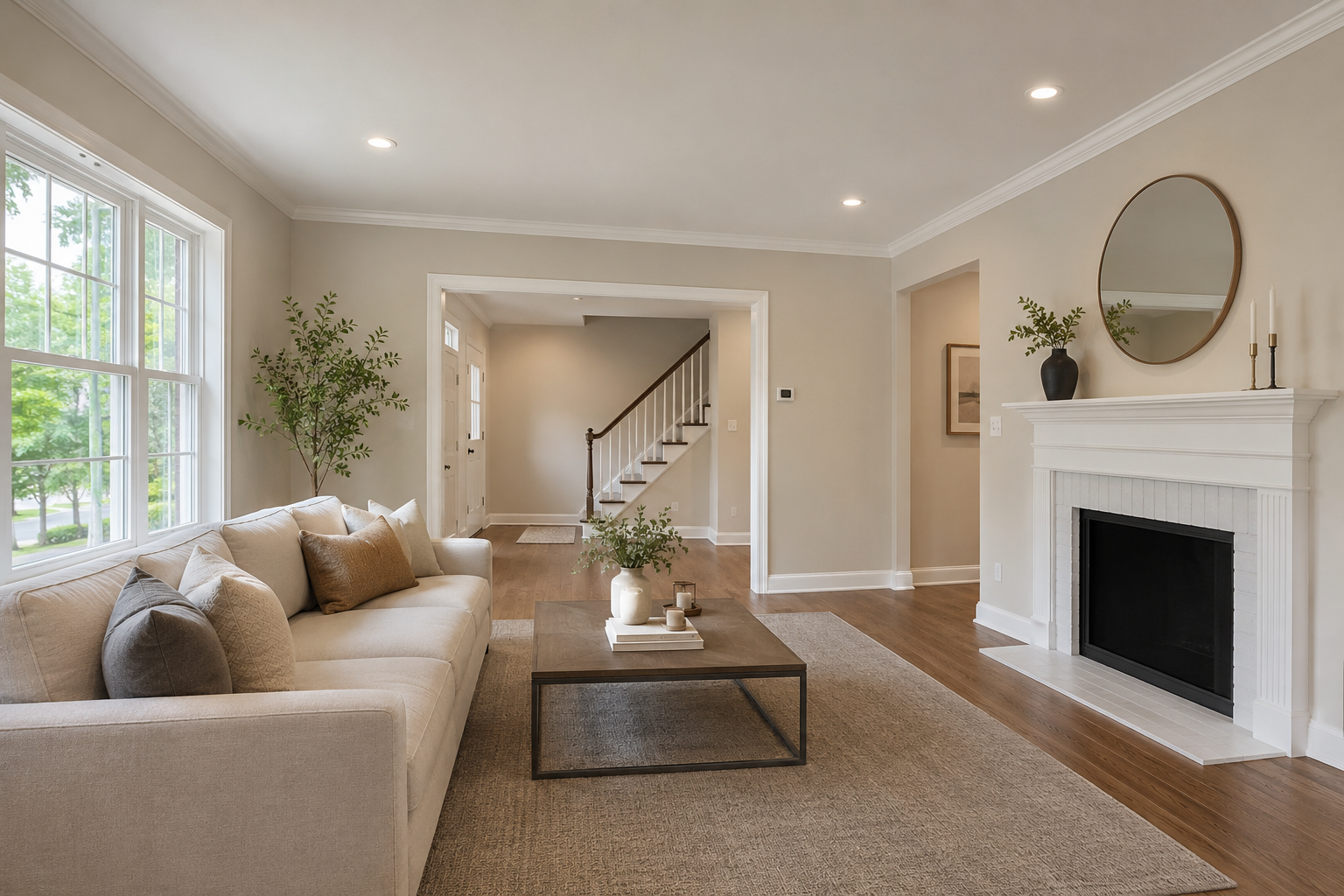
Restored living room after fire damage repair in an Arlington, Virginia home

Restoration and Rebuild in Arlington, Virginia: What Homeowners Need to Know in 2026

Arlington homeowners facing storm, water, or fire damage need to understand a Virginia-specific distinction before anything else. Standard homeowners insurance covers water damage from a broken pipe or wind-driven rain through a damaged roof. It does not cover flooding from rising water outside, which requires separate NFIP flood coverage entirely.

That distinction shapes the entire claims process. Virginia law defines covered water damage as breakage or leakage from pipes and conduits, plus casual water entering through building openings. Water rising up from saturated ground into a basement generally falls outside that definition.

At H&C Construction Design Build, we serve Arlington homeowners with Restoration & Rebuild projects across Ashton Heights, Waverly Hills, Lyon Park, and Douglas Park. Here is what Arlington homeowners should know before starting a restoration project in 2026.

Understanding Your Virginia Insurance Coverage

Wind damage is typically covered as sudden storm damage. A torn-off shingle or a tree through the roof falls under standard homeowners coverage in most Virginia policies. The water that enters through that opening is typically covered too.

Documentation in the first 30 minutes matters most. Photographing the damage thoroughly before any cleanup begins is the single most important action a homeowner can take to support a strong claim.

Payment structure affects your final settlement. Virginia policies pay out on either an Actual Cash Value basis or a Replacement Cost Value basis. Actual Cash Value factors in depreciation, while Replacement Cost Value covers the full cost to replace what was lost.

What Restoration and Rebuild Costs in Arlington in 2026

Restoration costs vary enormously depending on the type and severity of damage, which is why an accurate assessment matters before any budget conversation.

Water damage restoration: $1,500 to $5,000 on average for straightforward extraction and drying without major structural involvement.

Fire damage restoration: $4,500 to $11,000 for smoke cleanup alone, and $95,000 to $270,000 for a total loss rebuild. Most fire damage falls somewhere between these figures.

Structural involvement changes the budget significantly. Damage to roof framing, electrical systems, or load-bearing walls pushes reconstruction to the center of the project rather than remediation alone.

Why Arlington Restoration Projects Need Careful Coordination

Confirming your specific coverage type comes first. Knowing whether your policy covers the damage as wind, water, or flood shapes what the insurer will and will not pay for.

A single point of contact reduces confusion. Working with one contractor who manages both mitigation and the eventual rebuild keeps the insurance process and the construction timeline aligned.

Older Arlington homes sometimes reveal additional issues once work begins. A 1940s bungalow or Cape Cod may have outdated wiring or plumbing that surfaces only once walls open up during restoration.

The Restoration and Rebuild Process for an Arlington Home

Emergency mitigation happens immediately. Tarping, water extraction, and securing the property come first, often within hours of the initial damage.

Documentation and insurance filing follow quickly. A thorough damage assessment supports the claim and gives the insurer a clear, accurate scope of work.

Rebuild planning begins once the scope is confirmed. Structural repairs, system replacements, and finish selections all get scheduled once the insurance process moves forward.

Final inspection closes out the project. Each trade signs off as its portion completes, restoring the home to full, code-compliant condition.

What Arlington Homeowners Value Most in a Restoration Partner

Fast emergency response matters above almost everything else. Homeowners consistently say the speed of that first mitigation call shaped how manageable the entire process felt afterward.

Insurance experience saves real time and stress. A contractor who understands Virginia claims documentation moves the process forward instead of leaving homeowners to manage it alone.

A rebuild that matches the original home preserves its value. The finished result should be indistinguishable from the home’s original condition, not an obvious patch job.

How to Choose a Restoration and Rebuild Contractor in Arlington

Confirm Virginia licensing first. Verify your contractor’s license through the Virginia Department of Professional and Occupational Regulation, and confirm liability coverage that meets or exceeds Virginia’s requirements.

Ask about emergency response availability specifically. A contractor who offers real 24/7 mitigation response can prevent far more damage than one who only handles the eventual rebuild.

Review a local portfolio of comparable restorations. Ask for photos and addresses of completed restoration projects in Arlington from the past two years, then call the homeowners directly.

Get the full insurance and construction scope in writing. Mitigation, structural repairs, and finish work should all appear clearly in the contract.

H&C Construction: Restoration and Rebuild in Arlington, Virginia

H&C Construction Design Build serves Arlington homeowners with restoration and rebuild projects across Ashton Heights, Waverly Hills, Lyon Park, Douglas Park, and the surrounding Arlington County area.

Our team manages emergency mitigation, insurance documentation, and the full rebuild under one contract, so nothing falls through the cracks during an already stressful process.

Some Arlington restoration projects become an opportunity to upgrade. If you’re also considering a Kitchen Remodeling project or a Bathroom Remodeling scope during the rebuild, we coordinate that work under the same contract. Our Home Additions and Basement Remodeling teams work the same way when a restoration touches those areas of the home.

Browse completed restoration and whole-home renovation projects in our Our Remodeling Projects portfolio.

Facing Storm, Water, or Fire Damage in Arlington?

Whether you need emergency mitigation right now or you are planning a full rebuild after damage, our design-build team gives you fast response and honest guidance through the insurance process before you commit to anything.

Explore our Restoration & Rebuild service and request a consultation to start your Arlington project today.

Posted on

Restoration and Rebuild in Bethesda, MD: 2026 Cost & Insurance Guide

Restored and rebuilt living room after water damage repair in a Bethesda, Maryland home

Restoration and Rebuild in Bethesda, Maryland: What Homeowners Need to Know in 2026

Bethesda homeowners facing storm, water, or fire damage need a genuinely different kind of contractor conversation than a planned renovation. Speed matters immediately, and the decisions made in the first 24 hours often determine how much of the home can be saved. A tarped roof or a fast water extraction can mean the difference between a repair and a full rebuild.

Insurance adds another layer most homeowners have never navigated before. Maryland law requires insurers to acknowledge a claim within 15 days, but documentation and a fast professional inspection make a real difference in the outcome. Homeowners are never obligated to use their insurer’s preferred vendor.

At H&C Construction Design Build, we serve Bethesda homeowners with Restoration & Rebuild projects across Kenwood, Edgemoor, Wood Acres, and the surrounding Montgomery County area. Here is what Bethesda homeowners should know before starting a restoration project in 2026 , including how we sequence work on restoration and rebuild in Bethesda, MD.

Why the First 24 Hours Matter Most

Emergency mitigation prevents secondary damage. Homeowners who secure tarping or water extraction within hours consistently avoid the compromised insulation and soaked drywall that come with waiting. Even a day or two of delay often adds mold remediation to the scope.

Documentation shapes the entire insurance outcome. Photos, a professional inspection report, and a clear damage timeline all strengthen a claim before adjusters ever visit the property.

A single point of contact reduces confusion. Working with one contractor who manages both mitigation and the eventual rebuild keeps the insurance process and the construction timeline aligned.

What Restoration and Rebuild Costs in Bethesda in 2026

Restoration costs vary enormously depending on the type and severity of damage, which is why an accurate assessment matters before any budget conversation.

Water damage mitigation: $3 to $7.50 per square foot for extraction and drying. Repair and rebuild costs on top of mitigation typically run $20 to $37 per square foot depending on what needs replacing.

Severe water damage, Class 4: $20,000 to $100,000 depending on home size and how far the damage spread. This tier often involves structural drying and extensive material replacement.

Fire damage restoration: $5,000 to $12,000 for smoke cleanup alone, and $100,000 to $280,000 for a total loss rebuild. Most fire damage falls somewhere between these figures, depending on how much of the structure survived.

Why Bethesda Restoration Projects Need Careful Coordination

Most Maryland policies carry a Replacement Cost Value structure. This covers what it actually costs to rebuild today, not the depreciated value of what was lost, which matters significantly for an older Bethesda home.

Wind and hurricane damage sometimes carries a separate deductible. Many Maryland policies apply this instead of the standard all-peril deductible, so confirming your specific policy terms early avoids a budget surprise.

Structural assessment should happen before demolition begins. A thorough inspection determines what can be dried and saved versus what genuinely needs to be rebuilt from scratch.

The Restoration and Rebuild Process for a Bethesda Home

Emergency mitigation happens immediately. Tarping, water extraction, and securing the property come first, often within hours of the initial damage.

Documentation and insurance filing follow quickly. A professional damage assessment supports the claim and gives the insurer a clear, accurate scope of work.

Rebuild planning begins once the scope is confirmed. Structural repairs, system replacements, and finish selections all get scheduled once the insurance process moves forward.

Final inspection closes out the project. Each trade signs off as its portion completes, restoring the home to full, code-compliant condition.

What Bethesda Homeowners Value Most in a Restoration Partner

Fast emergency response matters above almost everything else. Homeowners consistently say the speed of that first mitigation call shaped how manageable the entire process felt afterward.

Insurance experience saves real time and stress. A contractor who understands Maryland claims documentation moves the process forward instead of leaving homeowners to manage it alone.

A rebuild that matches the original home preserves its value. The finished result should be indistinguishable from the home’s original condition, not an obvious patch job.

How to Choose a Restoration and Rebuild Contractor in Bethesda

Confirm Maryland licensing first. Verify MHIC credentials at dllr.state.md.us before any conversation begins, and confirm liability coverage above Maryland’s $500,000 statutory minimum.

Ask about emergency response availability specifically. A contractor who offers real 24/7 mitigation response can prevent far more damage than one who only handles the eventual rebuild.

Review a local portfolio of comparable restorations. Ask for photos and addresses of completed restoration projects in Bethesda from the past two years, then call the homeowners directly.

Get the full insurance and construction scope in writing. Mitigation, structural repairs, and finish work should all appear clearly in the contract.

H&C Construction: Restoration and Rebuild in Bethesda, Maryland

H&C Construction Design Build serves Bethesda homeowners with restoration and rebuild projects across Kenwood, Edgemoor, Wood Acres, and the surrounding Montgomery County area.

Our team manages emergency mitigation, insurance documentation, and the full rebuild under one contract, so nothing falls through the cracks during an already stressful process.

Some Bethesda restoration projects become an opportunity to upgrade. If you’re also considering a Kitchen Remodeling project or a Bathroom Remodeling scope during the rebuild, we coordinate that work under the same contract. Our Home Additions and Basement Remodeling teams work the same way when a restoration touches those areas of the home.

Browse completed restoration and whole-home renovation projects in our Our Remodeling Projects portfolio.

Facing Storm, Water, or Fire Damage in Bethesda?

Whether you need emergency mitigation right now or you are planning a full rebuild after damage, our design-build team gives you fast response and honest guidance through the insurance process before you commit to anything.

Explore our Restoration & Rebuild service and request a consultation to start your Bethesda project today.