Posted on Leave a comment

Remodeling Cost in Maryland: Spring Budget Guide for Kitchens, Baths, Basements & Additions

A Spring Budget Guide for Kitchens, Bathrooms, Basements, Additions & Full Renovations

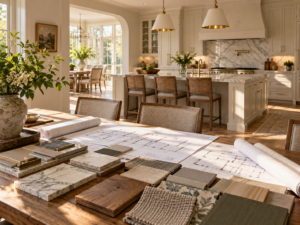
If you’re planning remodeling in Maryland, the biggest question is usually not “what style do I want?” — it’s “how much will this really cost, and how do I plan it without surprises?” Spring is the strongest time of year to do this planning because homeowners can lock scope, design, and timelines before peak-season scheduling gets tight.

This guide is designed to help you plan your remodeling budget with clarity and build a smart path to execution. If you want a team to coordinate your project from planning to delivery, start here:
https://hcconstructionllc.com/general-contractor-maryland/


1) The Biggest Factor in Remodeling Cost: Scope (Not Materials)

Most homeowners assume materials are the main cost driver. In reality, the largest cost swings come from scope and complexity, especially when projects include:

  • layout changes (moving walls, changing flow)

  • plumbing changes (moving fixtures, new lines)

  • electrical updates (new lighting plans, outlet changes, panels)

  • structural work (open concepts, additions, framing upgrades)

  • moisture issues (basements, older bathrooms, hidden damage)

Before you compare quotes, decide what kind of project you’re actually doing:

  • Update / Refresh: cosmetic + targeted upgrades

  • Partial Remodel: key components changed, layout mostly stays

  • Full Remodel: layout + systems + finishes, larger transformation

  • Addition / Expansion: structural expansion, new square footage

If your remodel touches multiple trades, the cleanest and safest execution is managed through:
https://hcconstructionllc.com/general-contractor-maryland/


2) Kitchen Remodeling Budget Priorities (Where the Money Should Go)

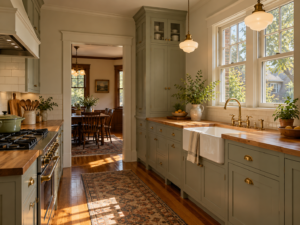
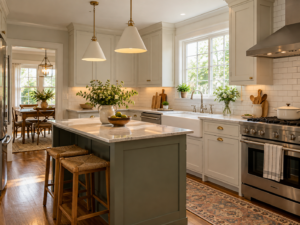
Kitchens are one of the most expensive spaces to remodel because they combine cabinets, appliances, plumbing, electrical, ventilation, and finishes.

Your budget should prioritize:

  • cabinetry quality + functional storage

  • countertop durability

  • lighting design (task + ambient + focal)

  • correct installation and sequencing

  • flooring transitions if the kitchen connects to other spaces

If your kitchen is the main upgrade you’re planning this season, go here:
https://hcconstructionllc.com/kitchen-remodeling/


3) Bathroom Remodeling Budget Priorities (Moisture + Function First)

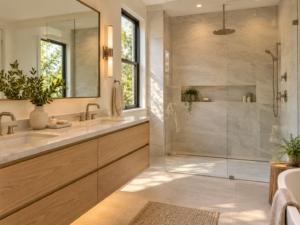
Bathrooms look simple—until the work begins. The cost difference between a “cheap remodel” and a professional one usually comes down to:

  • waterproofing details

  • ventilation improvements

  • plumbing scope (same location vs moved fixtures)

  • tile execution quality

  • durable fixtures and clean finishing

If your goal is a modern bathroom that performs long-term (not just looks good for photos), start here:
https://hcconstructionllc.com/bathroom-remodeling/


4) Basement Remodeling Budget Priorities (Moisture, Lighting, Layout)

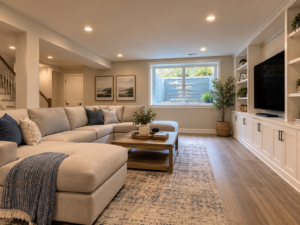
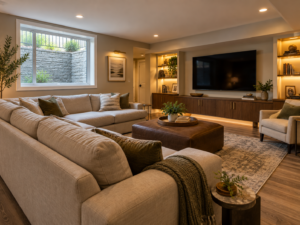
Basement remodeling cost varies a lot because basements don’t behave like main-level rooms. If you finish a basement without moisture planning and proper materials, the long-term costs can become worse than the remodel itself.

Budget should prioritize:

  • moisture-smart flooring and wall systems

  • lighting that makes the basement feel “main level”

  • insulation and comfort improvements where needed

  • layout planning for functionality (office, family room, gym, guest area)

If a finished basement is part of your spring plan, start here:
https://hcconstructionllc.com/basement-remodeling/


5) Home Additions Budget Planning (New Square Footage = New Complexity)

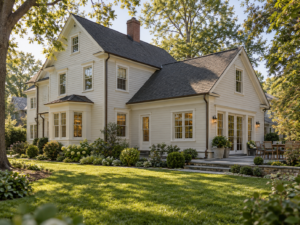
Home additions can create the most value because they add real square footage, but they also involve structure, integration with the current home, permits, and multi-trade sequencing.

Budget drivers include:

  • foundation and framing

  • roofline integration

  • HVAC and electrical expansion

  • finishing consistency with the existing home

  • design decisions (bedroom, sunroom, family room, office, kitchen extension)

If you need more space without moving, explore:
https://hcconstructionllc.com/home-additions/


6) Full Home Remodeling Budget Planning (How to Avoid “Project Chaos”)

A full home remodel becomes expensive when it becomes disorganized. The biggest risks are:

  • starting demolition before decisions are finalized

  • changing materials late

  • upgrading one room without planning the rest

  • inconsistent finishes across the home

  • poor sequencing between trades

A whole-house project needs a plan that defines:

  • priorities and scope

  • phase sequencing (what gets done first and why)

  • finish consistency across rooms

  • decision deadlines (so schedules don’t break)

If your home needs a complete transformation, start here:
https://hcconstructionllc.com/full-home-remodeling/


7) The 5-Step Spring Budget Process That Works

Step 1 — Define the “must-haves”

What changes are required for function, safety, or lifestyle?

Step 2 — Define the “value upgrades”

What adds daily comfort and long-term value (lighting, storage, layout, durability)?

Step 3 — Choose the right service path

  • kitchen → /kitchen-remodeling/

  • bathroom → /bathroom-remodeling/

  • basement → /basement-remodeling/

  • addition → /home-additions/

  • whole house → /full-home-remodeling/

Step 4 — Align scope before construction starts

Most cost blow-ups come from scope changes after demolition.

Step 5 — Execute with one coordinated plan

If multiple rooms/trades are involved, the right foundation is contractor-level project management:
https://hcconstructionllc.com/general-contractor-maryland/


Remodeling Cost in Maryland: The Smartest Friday Move

If you want to generate leads today, this topic performs because it answers what buyers actually search for: cost + planning + next steps.

If your project is ready for professional guidance, start with the correct service page:

Posted on Leave a comment

Spring Home Inspection in Maryland: What to Check After Winter (Roof, Basement, Decks)

Post-Winter Home Inspection in Maryland: The Spring Checklist That Prevents Expensive Repairs

Winter can leave behind damage that homeowners don’t notice until spring—especially on roofs, gutters, basements, and exterior structures. The smartest move in early March is a post-winter home inspection that focuses on the few areas that create the biggest (and most expensive) problems if ignored. A recent homeowner-focused article highlights that many issues stay hidden until spring and often aren’t addressed until they become visible (and more costly).

If you find damage during your inspection, the fastest path to safe repairs and compliant work is to start with a licensed team and a clear scope. For multi-trade projects, start here: https://hcconstructionllc.com/general-contractor-maryland/


1) Roof Check: Look for “Small” Problems That Turn Into Big Leaks

Spring is when many roof problems show up: lifted shingles from wind, seal failure around vents, flashing issues, and hidden water intrusion. Even if the leak isn’t visible, early detection matters because moisture spreads and damages insulation, drywall, and framing over time. A spring maintenance checklist from Kiplinger specifically calls out roof inspection as a key seasonal task.

What to look for today:

  • missing, cracked, or lifted shingles

  • dark staining near roof penetrations (vents, skylights, chimneys)

  • granules collecting in gutters

  • wet spots or stains on ceilings/attic wood

  • soft decking areas (requires professional assessment)

If you suspect roof issues, prioritize a professional evaluation. If the roof is part of a bigger exterior refresh (siding, gutters, framing repairs), it usually makes sense to coordinate through a general contractor to avoid fragmented work:
https://hcconstructionllc.com/general-contractor-maryland/


2) Gutters & Downspouts: One of the Most Common Hidden Spring Problems

Clogged or misaligned gutters are a classic “small issue” that leads to foundation moisture, basement leaks, and fascia damage. Multiple spring checklists emphasize gutter cleaning and drainage checks because overflow affects siding and even foundations.

What to check:

  • gutters sagging, pulling away, or leaking at seams

  • water marks under gutters or behind fascia

  • downspouts dumping water near the foundation

  • overflow stains on siding

If you discover water overflow patterns, this often connects directly to basement moisture (next section) and sometimes restoration work.


3) Basement Moisture: Catch It Before Mold and Structural Damage

Basements are where spring problems become expensive. Moisture may show up as smells, staining, wall discoloration, or soft flooring. A spring damage article notes that basement owners frequently report moisture issues.

What to look for:

  • musty odor or damp air

  • peeling paint, efflorescence (white chalky residue)

  • swelling trim or warped flooring

  • visible mold spots or repeated condensation

  • damp corners after rain

If you want to convert the basement into usable space, solve moisture first—then remodel. Start here if your goal is a finished living space:
https://hcconstructionllc.com/basement-remodeling/

If the moisture is damage-related (leaks, water intrusion, deterioration), restoration is often the right path:
https://hcconstructionllc.com/restoration-rebuild/


4) Decks & Porches: Safety Inspection Before You Host Anyone

Decks age quietly: fasteners loosen, boards soften, posts shift, and moisture can cause hidden deterioration—especially around ledger connections and stairs. Kiplinger’s spring checklist specifically calls out the need to inspect decks for decay and stress damage before hosting.

What to check:

  • soft or spongy boards

  • wobbly railings, loose stairs, or movement under foot

  • fasteners backing out (nails/screws)

  • posts and ledger attachment points

If you’re planning repairs or a full upgrade for spring and summer, start here:
https://hcconstructionllc.com/decks-porches-maryland/


5) Interior “Signal Checks”: Where the Home Tells You Something Is Wrong

These small interior signs often indicate bigger issues:

  • new ceiling stains (roof leak or bathroom plumbing)

  • bubbling paint or warped drywall (moisture)

  • doors/windows sticking (possible movement or moisture)

  • persistent humidity in bathrooms (ventilation problem)

If your home needs multiple rooms upgraded—kitchen, bathrooms, floors, basement—spring is a strong planning season for a coordinated approach:
https://hcconstructionllc.com/full-home-remodeling/


6) Permits & Repair Compliance in Montgomery County

If your inspection reveals damage requiring repair or reconstruction, permits may apply depending on scope. Montgomery County describes a restore/repair permit process for reconstructing, restoring, or replacing parts of an existing building to correct damage.

A professional team helps you avoid the common failure mode: starting work, then discovering requirements midstream. If your project spans multiple trades or includes structural elements, coordination typically runs best through a licensed general contractor:
https://hcconstructionllc.com/general-contractor-maryland/


The Best “Today” Move: Do the Inspection, Then Decide the Right Path

If your checklist finds issues, here’s the clean decision tree:

Posted on Leave a comment

Full Home Remodeling in Maryland: Spring Planning, Budget, Timeline & Value

Full Home Remodeling in Maryland

Full Home Remodeling in Maryland: Spring Planning Guide for Budget, Permits, Timeline & Long-Term Value

Spring is one of the best times to plan a full home remodeling in Maryland project. Homeowners use this season to upgrade outdated layouts, improve comfort, and increase long-term property value—before peak summer schedules tighten. A whole-house remodel can transform how your home functions every day, but only when it’s planned correctly and executed with professional sequencing.

If you’re considering a complete transformation, start with the service page built for this: Full Home Remodeling.


What Full Home Remodeling Actually Means

A full home remodel goes beyond cosmetic updates. It typically includes multiple areas of the home and may involve:

  • layout improvements and flow optimization

  • updated finishes (floors, paint, trim, lighting)

  • kitchen modernization and improved functionality

  • bathroom upgrades for comfort and efficiency

  • basement conversions into livable space

  • system improvements when needed (electrical/plumbing/HVAC)

The goal is a unified home experience—where the space looks consistent, functions better, and supports higher long-term value.


Why Homeowners Choose a Whole-House Remodel Instead of Moving

A full remodel is often a smarter option than relocating, because it allows you to keep your location while upgrading your lifestyle.

Better use of your existing home

A remodel helps fix pain points: poor layout, limited storage, outdated kitchens, inefficient lighting, and wasted space.

Stronger long-term property value

Homes with modern kitchens, updated bathrooms, and improved flow tend to perform better in buyer perception and resale competitiveness.

Cost control compared to buying a new home

Moving typically includes transaction fees, taxes, moving expenses, and time loss. Remodeling allows controlled investment targeted to what matters most.

A home tailored to your lifestyle

Instead of accepting another house’s layout, you design yours around your routine, preferences, and long-term needs.


The Core Areas That Create the Biggest Impact

A full home remodel becomes easier when it’s broken into high-impact components. These links help homeowners go deeper on each area:

Kitchen Remodeling

The kitchen is usually the highest-traffic space and one of the strongest value drivers.
Explore: Kitchen Remodeling

Bathroom Remodeling

Bathrooms influence daily comfort, efficiency, and overall buyer perception.
Explore: Bathroom Remodeling

Basement Remodeling

Basements can become offices, gyms, guest suites, or family rooms—adding usable square footage.
Explore: Basement Remodeling

Home Additions

If your home needs more space—not just better layout—an addition may be the right move.
Explore: Home Additions

When your remodel involves multiple trades and sequencing, the project benefits from professional coordination through:
General Contractor Maryland


Full Home Remodeling Timeline: What to Expect

A common reason remodels fail is unrealistic expectations. A whole-house remodel follows phases:

1) Planning and scope definition

This is where goals are clarified, priorities are chosen, and material direction becomes clear.

2) Budgeting and sequencing

A professional plan includes realistic allowances and an order of execution that avoids rework.

3) Pre-construction preparation

Scheduling, material ordering, protection of existing home areas, and trade coordination are aligned.

4) Construction execution

Demolition → rough-in work → structural adjustments (if any) → install → finishes → punch list.

5) Final quality control

A final walkthrough ensures workmanship consistency, correct functionality, and clean finishing.

A good remodel isn’t fast—it’s organized.


Budgeting a Whole-House Remodel: How to Avoid Cost Surprises

Cost overruns usually come from three mistakes:

  • unclear scope

  • late material decisions

  • changes that break sequencing

To keep your budget stable:

  • define priorities early (must-have vs nice-to-have)

  • select materials before demolition begins

  • keep design decisions aligned with real lifestyle goals

  • include a buffer for adjustments and unknowns

  • work with professionals who provide clear scope control

If your project will involve multiple rooms and trades, contractor management becomes essential:
General Contractor Maryland


Common Full Home Remodeling Mistakes (And How to Avoid Them)

Mistake 1: Renovating room-by-room without a master plan

This usually creates inconsistent design and wasted spending.

Mistake 2: Choosing finishes before planning layout and function

Layout improvements should guide materials—not the other way around.

Mistake 3: Underestimating sequencing

Kitchen + bathroom + flooring + paint require trade order, drying times, and careful scheduling.

Mistake 4: Skipping proof of execution quality

Before committing, homeowners should review real outcomes.
See: Projects


What Makes a Full Home Remodel Feel “High-End” (Without Overbuilding)

A strong whole-house remodel is not about luxury for luxury’s sake. It’s about:

  • consistent finishes across the home

  • improved lighting and clean transitions

  • functional storage and better circulation

  • durable materials selected for real use

  • cohesive design that feels intentional

  • professional execution that holds up long-term

That’s why the planning phase matters as much as the finishing.


Full Home Remodeling in Maryland

A full remodel is one of the strongest investments a homeowner can make when the goal is better function, modern design, and long-term value. Spring is the right time to plan before peak scheduling, and the best outcomes come from structured execution—especially when multiple rooms are involved.

Start here to explore the full service:
Full Home Remodeling

And if your remodel includes kitchen, bathroom, basement, or expansion work, use these service paths:

Posted on Leave a comment

Basement Remodeling in Maryland: Spring Planning, Moisture Control, Layout & Value

Basement Remodeling in Maryland: Spring Planning Guide for Permits, Moisture Control, Layout & Long-Term Value

A finished basement is one of the most valuable upgrades a homeowner can make in Maryland—because it converts underused square footage into real living space. A basement remodeling in Maryland project can become a family room, home office, gym, guest suite, or entertainment area—if it’s planned correctly and built with moisture-smart materials, proper lighting, and a layout that feels like a natural extension of the home.

If you want to explore the full service and book a consultation, start here: Basement Remodeling.


Why Basement Remodeling Is a High-Impact Upgrade in Maryland

Basements often start as storage, laundry space, or unfinished utility areas. The problem is that homes feel “full” while a large portion of the property remains unused. Remodeling solves that.

A professional Basement Remodeling project can help you:

  • add functional living space without moving

  • improve daily comfort and home usability

  • create private zones for work, guests, or entertainment

  • increase market appeal through finished square footage

  • modernize lighting, flooring, and overall layout

When the project is planned with correct moisture protection and finish selection, the basement becomes a real part of the home—not an afterthought.


What a Basement Remodeling Service Includes

A complete basement remodel is not just drywall and flooring. It includes evaluation, planning, and correct execution to avoid future humidity issues and to ensure the space performs long-term.

A professional basement remodeling service commonly includes:

  • layout planning (zones, circulation, storage)

  • lighting strategy to compensate for limited natural light

  • moisture-smart material recommendations

  • insulation and ventilation improvements when needed

  • flooring selection aligned with basement conditions

  • finish work that creates a “main-level” feel

  • trade coordination for electrical and plumbing features

Because basements often involve multiple trades and sequencing, homeowners who want a controlled workflow often benefit from coordination through General Contractor Maryland.


The Most Requested Basement Remodel Ideas in Maryland

1) Family Room / Entertainment Area

A finished basement family room is one of the most common goals. It creates an extra living area without disturbing the main floor, ideal for movie nights, gaming, or gatherings.

2) Home Office Basement Setup

Basements offer privacy and separation—perfect for focused work. A good remodel adds proper lighting, outlets, and a comfortable layout.

If your home office plan is part of a wider home transformation, it can connect naturally to Full Home Remodeling.

3) Basement Home Gym

A basement gym is a practical upgrade that improves lifestyle and long-term usability. The right flooring, ventilation, and zoning makes a major difference.

4) Guest Suite or Multi-Use Space

A guest-ready basement can include a sleeping zone, storage, and a comfortable lounge layout. If a bathroom upgrade is part of the plan, it pairs naturally with Bathroom Remodeling.

5) Basement Upgrade as Part of a Whole-House Plan

Some homeowners remodel the basement when they’re already upgrading kitchens, bathrooms, or home layout. In that case, it fits into a unified plan with:


Basement Remodeling in Maryland: Moisture Control Is Non-Negotiable

The biggest difference between a “finished basement” that lasts and one that fails is moisture planning.

A professional basement remodeling project should consider:

  • signs of moisture intrusion (staining, odors, soft spots)

  • the right wall system approach (not all basements should be finished the same)

  • flooring materials suited for below-grade conditions

  • ventilation improvements when needed

  • insulation strategy aligned with the space and usage

This is why basement remodeling should always start with evaluation—before finishes and furniture are chosen.


Flooring for Basements: What Works Best

Basements demand materials that perform under moisture risk and temperature variation. Flooring selection should prioritize stability and long-term durability.

Common basement-friendly options include:

  • luxury vinyl (LVP/LVT) for durability and moisture resistance

  • porcelain tile for high performance and easy cleaning

  • engineered solutions suited to below-grade conditions

If flooring upgrades are part of a bigger plan across the home, that connects naturally to your flooring service ecosystem as well.


Lighting Strategy: How to Make a Basement Feel Bigger and Brighter

Basements typically lack natural light, so lighting design matters more than anywhere else in the home.

A strong basement lighting plan includes:

  • recessed LED lighting for even brightness

  • layered lighting (task + ambient zones)

  • wall color and finish choices that reflect light

  • defined areas with lighting anchors (office zone, TV zone, gym zone)

The goal is to make the basement feel like a main-level living space—not a lower-level room.


Basement Remodeling Timeline: What to Expect

The actual duration varies by scope, but a professional basement remodeling process typically follows:

  1. evaluation and goal definition

  2. layout planning and material selection

  3. scheduling and trade coordination

  4. execution: framing → electrical/plumbing → finishes

  5. final quality control and walkthrough

The key is sequencing. Basement work that is rushed or done out of order often creates long-term problems.


Basement Remodeling vs. Home Addition: Which Is Better?

If your home needs more usable space, the best choice is often between:

  • finishing the basement (using existing footprint)

  • adding new square footage (expansion)

If you already have an unfinished basement, remodeling is often the fastest path to functional space. If you need new square footage because your home is already maxed out, explore: Home Additions.


Basement Remodeling in Maryland

A basement remodel is one of the highest-leverage upgrades in Maryland when planned correctly. It improves daily living, adds functional zones, and increases long-term value—especially when moisture control, layout, lighting, and materials are selected professionally.

Start here to explore the service and book your project:
Basement Remodeling

And if your basement renovation is part of a broader transformation, these services connect naturally:

Posted on Leave a comment

Home Additions in Maryland: Spring Planning, Permits, Costs & Design Ideas

Home addition construction in Maryland with new framed extension attached to a house

Home Additions in Maryland: Spring Planning, Design Options, and How to Add Space Without Moving

Spring is one of the best times to plan a home expansion because homeowners can design and coordinate the project before peak-season schedules fill up. If your home feels tight, if your family needs more usable space, or if you want to increase long-term property value without relocating, home additions in Maryland are one of the most strategic upgrades you can make.

This article is built to strengthen your main service page: Home Additions — and to help homeowners understand what an addition really includes, how to choose the right type, and how to plan it professionally.

Why Home Additions Are a High-Value Upgrade

A home addition is not just construction — it is a lifestyle upgrade. It allows homeowners to gain space while keeping their current neighborhood, schools, commute, and community. A well-designed Home Additions project also improves the home’s usability and often strengthens resale appeal because the property gains real, functional square footage.

Homeowners typically consider additions when they need:

  • an extra bedroom or guest room

  • a larger kitchen or dining area

  • a home office or studio

  • a family room for daily comfort

  • a sunroom or expanded indoor-outdoor living area

When planned correctly, additions can feel like they “always belonged” to the home — not like an awkward extension.


What a Professional Home Addition Includes

A professional home addition is not just framing and drywall. A complete process typically includes:

  • layout planning and design alignment with the existing home

  • structural planning and build approach

  • coordination of trades (electrical, plumbing, HVAC if required)

  • material planning for durability and finish consistency

  • timeline management and jobsite execution

  • final finish work so the addition feels seamless

Because additions often involve multiple stages and specialists, many homeowners benefit from broader project coordination support through General Contractor Maryland.


Most Requested Types of Home Additions in Maryland

1) Bedroom Additions

A bedroom addition is one of the most common reasons homeowners search for Home Additions. It can be used for a growing family, a guest suite, or a private master bedroom upgrade.

2) Kitchen Expansions

A kitchen expansion is ideal when your kitchen feels cramped, lacks seating, or does not support modern family routines. Many homeowners combine an addition with a full interior redesign using Kitchen Remodeling to achieve a more open, functional kitchen.

3) Home Office Additions

A dedicated home office addition is one of the strongest post-remote-work upgrades because it creates real separation between home life and work life.

4) Sunrooms / Indoor-Outdoor Space

A sunroom addition gives homeowners a bright, comfortable space that feels connected to the outdoors while still protected from weather. This pairs naturally with exterior lifestyle upgrades like Decks & Porches Maryland.

5) Family Room or Living Room Additions

These additions create a larger daily living zone that improves comfort, hosting capacity, and overall home flow — often the “main lifestyle improvement” for families.


Home Addition vs. Remodeling: Which One Is Right?

A quick way to decide:

  • Remodeling improves or modernizes existing space without adding square footage

  • A Home Addition adds new square footage (new rooms, expanded layout, new usable area)

If your home’s size is the limiting factor, an addition is usually the correct choice. If the layout is the problem but the square footage is enough, remodeling may solve it.

In many cases, homeowners combine both:

  • addition for space

  • remodeling for function and style

That is why Full Home Remodeling can be the right next step when the addition is part of a wider property transformation.


Spring Planning: The Step-by-Step Home Addition Process

1) Define the goal

What problem are you solving? More space, better layout, better lifestyle flow?

2) Evaluate feasibility

A professional evaluation confirms what the home can support structurally and what layout choices make sense.

3) Set a realistic budget range

Include materials, labor, and a buffer for adjustments so decisions remain stable.

4) Align design with the existing home

The best additions match the home’s architecture, rooflines, and finishes so they look intentional.

5) Coordinate execution and finishes

Finishes matter. The addition should feel like part of the home — not a separate project.

When homeowners want proof of execution quality before starting, it’s smart to review a portfolio like Projects.


Common Home Addition Mistakes to Avoid

1) Designing only for today

A good addition should serve your lifestyle now and still make sense in 5–10 years.

2) Treating the addition as a separate building

Additions should blend into the home’s function and appearance.

3) Ignoring flow and circulation

A new room that disrupts circulation reduces the value of the space.

4) Skipping broader planning

If the addition is connected to kitchens, bathrooms, or basements, plan it as a unified project:

5) Not using proper project coordination

Additions often need multi-trade coordination, which is why General Contractor Maryland is a natural supporting service.


Home Additions in Maryland

If you want to gain space without moving and increase long-term value with a professional, well-managed build, explore Home Additions.

A well-planned addition can transform your home into a more functional, comfortable space — and spring is the right time to start before peak-season scheduling and timelines tighten.

Posted on Leave a comment

Licensed General Contractor in Maryland: Permits, Planning & Remodeling Success

Licensed general contractor in Maryland supervising a remodeling project

Licensed General Contractor in Maryland: Permits, Planning, and Remodeling Done Right

Hiring a licensed general contractor in Maryland is one of the smartest decisions you can make before starting any construction or remodeling project. When projects involve multiple trades, strict timelines, and local code requirements, professional coordination is what separates a smooth, high-quality result from delays, cost overruns, and rework.

At H&C Construction, we manage residential remodeling and construction with a structured process: clear planning, correct sequencing, permit-ready execution when required, and consistent quality control. If you want your project done safely and professionally, start here: General Contractor Maryland.


Why a Licensed General Contractor Matters in Maryland

A licensed contractor is not just a label—it’s accountability, experience, and compliance. A licensed general contractor in Maryland is responsible for managing the project correctly and ensuring work is performed with professional standards.

Working with a licensed contractor helps homeowners avoid common risks such as:

  • unsafe workmanship and failed inspections

  • poor scheduling that causes delays

  • inconsistent quality across trades

  • hidden costs caused by weak planning

  • permit issues that stop progress mid-project

If your remodel includes kitchens, bathrooms, basements, additions, or a whole-house renovation, working with a licensed contractor is the safest way to protect your budget and results.


What a General Contractor Handles for You

A professional general contractor coordinates the entire workflow so you don’t have to manage multiple crews, deliveries, and schedules alone.

A full-service general contractor typically manages:

  • project planning and scheduling

  • trade coordination (carpenters, electricians, plumbers, etc.)

  • material sequencing and delivery timing

  • quality control and site supervision

  • permit and inspection coordination when required

  • final punch list and project closeout

For homeowners who want one team to manage the full process, the right starting point is: General Contractor Maryland.


High-Value Projects a General Contractor Manages in Maryland

Kitchen Remodeling

Kitchen remodels require planning around cabinetry, countertops, flooring, lighting, plumbing, appliances, and ventilation. This is why many homeowners prefer contractor-led execution instead of juggling multiple trades.

If your goal is a modern, functional kitchen with professional finishes, see: Kitchen Remodeling.

Bathroom Remodeling

Bathrooms require moisture-smart materials, correct ventilation planning, and precise plumbing and tile execution. A general contractor ensures everything is installed correctly, safely, and consistently.

If you want a modern, durable bathroom built for long-term use, see: Bathroom Remodeling.

Basement Remodeling

Basements demand careful planning for lighting, insulation, layout, moisture control, and usability. Contractor supervision prevents mistakes that can lead to humidity issues, poor finishes, or wasted space.

If you want to convert your basement into a real living space, see: Basement Remodeling.

Home Additions

Home additions require structural planning, design alignment with the existing house, and trade coordination for electrical, HVAC, and finishing work. A general contractor ensures the addition integrates naturally into your home.

If your priority is gaining space without moving, see: Home Additions.

Full Home Remodeling

Whole-house renovations require strict sequencing and consistent quality across multiple rooms. Contractor coordination is essential to keep the project organized and to avoid disruptions that create delays and unnecessary expenses.

If your home needs a complete transformation, see: Full Home Remodeling.


How a Licensed Contractor Helps You Avoid Delays and Cost Overruns

Most remodeling delays come from poor planning and weak coordination. A licensed general contractor reduces risk by managing:

  • correct trade order (so work isn’t repeated)

  • material timing (so crews don’t pause)

  • quality checks (so mistakes are caught early)

  • scope clarity (so decisions stay stable)

When the project is organized from the start, homeowners spend less time reacting to problems and more time moving toward a finished result.


How to Choose the Right General Contractor in Maryland

Before hiring a contractor, homeowners should look for professionalism—not just price.

A reliable contractor should provide:

  • clear scope definition and communication

  • real experience with similar projects

  • organized timelines and expectations

  • quality materials and finishing standards

  • consistent supervision and accountability

If you want to see real execution and proof of work quality, review: Projects.


Licensed General Contractor in Maryland

If you’re planning a remodeling project and want professional coordination, durable finishes, and reliable execution, work with a team that manages the process from start to finish.

Start here: General Contractor Maryland

Posted on Leave a comment

Bathroom Remodeling in Maryland: Design, Permits, Budget & Long-Term Value | H&C Construction

Bathroom Remodeling in Maryland

Bathroom Remodeling in Maryland: How to Plan a Better Bathroom for Comfort, Function, and Long-Term Value

A bathroom is one of the most important spaces in any home because it affects comfort, organization, hygiene, and daily routine. When planned correctly, bathroom remodeling in Maryland can improve much more than appearance. It can make the space easier to use, increase storage, improve lighting and ventilation, and strengthen long-term property value. That is why homeowners who want a more functional and modern home often begin with Bathroom Remodeling.

A successful remodel is not only about replacing tile or installing a new vanity. It is about understanding how the room works, what materials will perform best over time, and how the bathroom connects to the rest of the house. A well-executed Bathroom Remodeling project helps homeowners solve layout issues, modernize finishes, and create a cleaner, more comfortable space designed for real daily use.

Why Bathroom Remodeling Is One of the Smartest Home Upgrades

Bathrooms are high-use areas, and even small design improvements can make a major difference. A better vanity layout, more efficient storage, updated lighting, improved ventilation, or a walk-in shower can all change the way a home feels. A professionally planned Bathroom Remodeling project also makes the home more attractive to future buyers because bathrooms strongly influence how updated and well-maintained a property appears.

A well-designed bathroom renovation can help homeowners:

  • improve layout efficiency

  • create better storage

  • modernize showers, tubs, vanities, and finishes

  • improve lighting and moisture performance

  • increase comfort and usability

  • strengthen resale appeal

Bathrooms also rarely stand alone as an isolated investment. In many homes, a bathroom project is connected to broader upgrades such as Kitchen Remodeling, Full Home Remodeling, or even Basement Remodeling when lower-level bathrooms or guest spaces are also being improved.

What Professional Bathroom Remodeling Actually Includes

A professional bathroom renovation should begin with planning, not demolition. Before choosing finishes, the most important step is understanding how the space is failing today and how it should perform after the remodel. A structured Bathroom Remodeling process commonly includes:

  • layout and design planning

  • shower or bathtub replacement

  • vanity and sink upgrades

  • tile and surface selection

  • better storage planning

  • lighting and mirror placement

  • ventilation improvements

  • plumbing and fixture coordination

  • finishing details that align with the home’s style

In many cases, bathroom remodeling also overlaps with work that affects adjacent rooms, flooring transitions, and larger renovation goals. That is why homeowners often benefit from working with a licensed team that can coordinate broader planning through General Contractor Maryland.

Start With Function: The Best Bathroom Remodels Solve Daily Problems

Many bathroom projects fail because they begin with style choices instead of functional priorities. A bathroom can look expensive and still feel frustrating every day if the layout, storage, and lighting remain weak.

Common bathroom problems include:

  • not enough storage

  • poor lighting at the mirror

  • outdated tub or shower configuration

  • weak ventilation

  • limited counter space

  • difficult-to-clean materials

  • inefficient circulation

  • aging fixtures and worn finishes

That is why the best Bathroom Remodeling projects start with practical questions:

  • Does the bathroom need a better shower, better storage, or both?

  • Is the room visually outdated, functionally inefficient, or both?

  • Would a walk-in shower improve daily comfort?

  • Is there enough lighting for real daily use?

  • Should this remodel match nearby upgrades such as Flooring or Full Home Remodeling?

The answers to those questions should drive the design much more than trends alone.

Walk-In Shower vs. Bathtub: Which Is Better for Your Home?

One of the biggest decisions in a bathroom remodel is whether to keep a bathtub, install a walk-in shower, or create a design that includes both. The best answer depends on space, family routine, and long-term goals.

Walk-in showers are often chosen because they:

  • improve accessibility

  • reduce visual heaviness

  • create a more modern look

  • make smaller bathrooms feel more open

Bathtubs may still make sense when:

  • the household has young children

  • soaking use matters

  • the home benefits from keeping at least one tub

  • the design goal includes a more traditional bathroom layout

A good Bathroom Remodeling project should match the bathroom to the way the household actually lives, not just to what looks popular online.

Bathroom Materials: What Homeowners Should Prioritize

Bathrooms are moisture-heavy environments, so materials must support long-term performance as well as style. The strongest projects use finishes that balance appearance, durability, ease of maintenance, and consistency with the rest of the house.

Important material priorities include:

  • moisture-resistant flooring

  • durable wall and shower surfaces

  • functional vanity materials

  • long-lasting fixtures

  • finishes that visually connect with the rest of the home

If the bathroom renovation also includes updating surface finishes across the house, it is smart to align the project with Flooring and broader spaces like Kitchen Remodeling so the property feels consistent rather than fragmented.

Why Bathroom Remodeling Should Be Connected to a Bigger Home Strategy

One of the biggest SEO and business advantages for your site is that bathroom remodeling naturally connects to several of your other services. That means this article should not only educate the reader — it should move them through your service ecosystem.

For example:

  • if a homeowner wants to modernize wet areas across the house, they may also need Kitchen Remodeling

  • if the bathroom project is part of a broader transformation, the logical next step is Full Home Remodeling

  • if the lower level includes an extra bathroom, guest suite, or entertainment area, Basement Remodeling becomes highly relevant

  • if multiple trades and permits are involved, General Contractor Maryland becomes an important supporting page

  • if the bathroom floor is being replaced along with other rooms, Flooring should also support the user journey

This is the type of internal-linking structure that strengthens the whole website while helping users move logically from one service need to another.

Common Bathroom Remodeling Mistakes to Avoid

1. Choosing style before function

A bathroom that looks better but still works poorly is not a successful remodel.

2. Ignoring storage

Storage is one of the most important parts of long-term bathroom functionality.

3. Underestimating ventilation and moisture

Bathrooms need strong material choices and proper ventilation to perform well.

4. Treating the bathroom as an isolated project

The strongest remodels align with surrounding services like Flooring, Kitchen Remodeling, and Full Home Remodeling.

5. Hiring without broader project awareness

If the remodel involves multiple trades or connects to larger structural goals, homeowners may need the support of General Contractor Maryland.

Bathroom Remodeling in Maryland

A well-planned bathroom remodel can improve comfort, storage, functionality, and long-term value. Whether the goal is a better shower, stronger storage, improved lighting, or a complete redesign, the best results come from structured planning, durable materials, and professional execution.

If you want to explore the main service page this article is built to strengthen, visit Bathroom Remodeling.

Posted on Leave a comment

Deck Construction in Maryland: Spring Planning, Permits, Materials & Design Ideas | H&C Construction

Custom wood deck construction with stairs at a brick home in Maryland

Spring Deck & Porch Planning in Maryland: Permits, Materials, Design Ideas, and How to Start Before Peak Season

Spring is one of the best times for homeowners to plan outdoor improvements that will actually be ready when warmer weather arrives. For many properties, that starts with a deck or porch. A professionally designed outdoor structure adds more than curb appeal. It creates usable space for relaxing, hosting, dining, and extending the comfort of the home beyond the interior walls. If you are already exploring professional outdoor upgrades, the main page this article is built to strengthen is Decks & Porches Maryland.

Planning early matters because deck construction is not just about choosing boards and railings. In Montgomery County, all decks require a building permit regardless of height above grade, and additional electrical permits may be required depending on the features included. Starting the process in spring gives homeowners more time to align design, materials, and approvals before the busiest outdoor season.

Why Deck Construction Is One of the Smartest Spring Home Upgrades

A deck or porch adds a new layer of function to a home. It can create an outdoor dining area, a lounge zone, a transition between indoor and backyard space, or even a stronger entertainment area for family gatherings. Unlike smaller cosmetic exterior updates, deck construction changes how the home is actually used.

A well-planned Decks & Porches Maryland project can help homeowners:

  • add usable outdoor living space

  • improve backyard flow and accessibility

  • create better entertaining areas

  • strengthen property appeal

  • support long-term home value

  • prepare the home for spring and summer use

This kind of project also connects naturally to broader home-improvement goals. For example, homeowners who are improving outdoor space often also consider Home Additions when they want a more permanent expansion of living area, or Full Home Remodeling if the outdoor update is part of a broader property transformation.

What Professional Deck Construction Actually Includes

A professional deck or porch project should begin with planning, not construction. Before any materials are ordered, the contractor should help define:

  • how the outdoor space will be used

  • whether the home needs a deck, porch, or more customized structure

  • what material type fits the climate and maintenance expectations

  • what structural and safety requirements apply

  • what permits and inspections may be required

In Montgomery County, the county’s residential deck guidance makes permit requirements explicit, and its published deck details also outline structural and guardrail rules, including that decks greater than 30 inches above grade require a guard.

A complete Decks & Porches Maryland service may include:

  • site evaluation

  • design and layout planning

  • structural planning

  • permit coordination

  • material selection

  • stairs and railing integration

  • lighting preparation

  • finishing details aligned with the home’s architecture

Because these projects often involve permitting, layout, code awareness, and trade coordination, they also connect naturally to General Contractor Maryland when broader planning support is needed.

Why Spring Is the Right Time to Start Planning

Homeowners often wait too long to start outdoor projects. By the time summer arrives, contractor schedules are tighter, permit timelines feel more urgent, and homeowners lose weeks of actual seasonal use. Spring planning helps avoid that problem.

Starting early allows time to:

  • evaluate the property correctly

  • compare design options

  • choose materials carefully

  • manage permits and inspections

  • complete work before peak outdoor use

This is especially important for decks and porches because they are lifestyle-driven projects. Homeowners do not just want them built — they want them ready when they are actually most useful.

Best Deck and Porch Types for Maryland Homes

Different properties call for different structures. The right choice depends on the home’s style, yard conditions, and how the homeowner wants to use the space.

Natural wood decks

Wood decks remain popular because they offer warmth and a traditional appearance that works well with many home styles. They are a strong choice for homeowners who prefer a classic outdoor look.

Composite decks

Composite decking is often chosen for durability and lower maintenance. It performs well for homeowners who want a long-lasting appearance with less ongoing upkeep.

Elevated or multi-level decks

Homes with sloped yards or layered outdoor areas often benefit from elevated or multi-level deck planning. These designs help define zones for dining, lounging, and circulation.

Covered porches

Porches create a stronger transition between indoor and outdoor living and can provide shade, weather protection, and a more architectural front or rear elevation.

A contractor should match the structure to the home, not force a generic design into the space.

How to Choose the Right Materials

Material choice affects not only appearance, but also maintenance, durability, and long-term satisfaction.

The most common material directions include:

  • natural wood for a more classic aesthetic

  • composite for lower-maintenance performance

  • PVC-based systems for moisture resistance and minimal upkeep

The right choice depends on:

  • sun exposure

  • moisture conditions

  • how often the space will be used

  • maintenance tolerance

  • budget priorities

If the project is part of a wider exterior or property improvement plan, it may also make sense to review Projects for visual proof of style and execution consistency.

How a Deck or Porch Should Connect to the Rest of the Home

One of the biggest mistakes homeowners make is treating the deck as a separate object instead of part of the property. The strongest projects feel integrated with the house.

That means the design should consider:

  • the architecture of the home

  • door access points

  • yard circulation

  • railing style

  • stairs and transitions

  • materials that visually connect to the property

This is also why some homeowners who begin with Decks & Porches Maryland later move into broader service needs such as Home Additions or Full Home Remodeling once they see how an upgraded outdoor space changes the overall experience of the home.

Common Deck and Porch Planning Mistakes to Avoid

1. Waiting too long to start

Spring planning is valuable because deck projects often involve design, permitting, and scheduling before construction even begins.

2. Ignoring permit requirements

In Montgomery County, all decks require a building permit, and some projects may also require electrical permits depending on included features.

3. Choosing materials based only on price

Outdoor structures must perform over time, so maintenance expectations and durability matter as much as initial cost.

4. Treating the project as purely decorative

A deck or porch changes how the home functions. The best designs prioritize usability, not only appearance.

5. Designing without broader property context

The best outdoor projects support the rest of the home. That is why internal service relationships matter, including General Contractor Maryland and Home Additions.

Deck Construction in Maryland

A well-planned deck or porch can add comfort, function, and long-term appeal to your home — especially when started early enough to be ready for the seasons when outdoor living matters most. Whether the goal is a backyard gathering area, a more elegant porch entrance, or a custom deck that expands usable space, the best results come from careful planning, durable materials, and professional execution.

To explore the main service page this article is built to strengthen, visit Decks & Porches Maryland.


Posted on Leave a comment

Flooring in Maryland: Best Materials, Installation, Value & Long-Term Performance | H&C Construction

professional floor installation

Flooring in Maryland: How to Choose the Right Upgrade for Comfort, Durability, and Long-Term Value

Flooring is one of the most visible and most frequently used parts of any home. It affects how a room looks, how it feels underfoot, how easy it is to maintain, and how well it performs over time. When chosen and installed correctly, flooring in Maryland can improve daily comfort, refresh the style of a property, and strengthen long-term value. Flooring-related projects can also matter financially: NAR’s 2025 reporting highlighted especially strong resale recovery for hardwood floor refinishing (147%) and new wood flooring (118%).

For homeowners planning an upgrade, the challenge is not only choosing a material that looks good. The real goal is selecting flooring that fits the way the home is used, handles moisture and traffic correctly, and is installed with the right preparation. In Maryland, licensing also matters: the state notes that installing tile, wood, or other flooring requires MHIC licensing.

If you want to explore professional services directly, start here:
👉 Flooring: https://hcconstructionllc.com/flooring/


Why Flooring Is One of the Most Important Home Upgrades

A flooring project changes more than surface appearance. It influences comfort, maintenance, acoustics, and how updated a property feels overall. Because floors are used constantly, poor material choices or weak installation show up quickly through movement, wear, moisture problems, or visual inconsistency. NAR’s 2025 remodeling coverage specifically pointed to flooring work as one of the stronger value-retention categories at resale.

That is why flooring should be planned as a performance decision, not only a design decision. The right floor is the one that matches the room conditions, traffic level, moisture exposure, and maintenance expectations of the homeowner.


What Professional Flooring Service Actually Includes

A professional flooring project should begin with evaluation, not installation. The subfloor condition, moisture exposure, leveling needs, and transition details all affect long-term performance. In Maryland, because tile, wood, and other flooring installation fall within MHIC-regulated home improvement, contractor qualification is an important part of the process.

A complete flooring service in Maryland commonly includes:

  • inspection of the existing floor and subfloor

  • material recommendations based on room use

  • removal of damaged or outdated materials when needed

  • leveling or correction of uneven areas

  • professional installation

  • finishing details such as transitions and trim

  • guidance on maintenance and long-term care

This is what separates a durable flooring upgrade from a project that looks good only in the short term.


The Most Popular Flooring Options for Maryland Homes

Different materials solve different problems. The strongest flooring decision depends on moisture risk, traffic, room type, design goals, and budget.

Hardwood flooring

Hardwood remains one of the most desirable options because of its warmth, timeless appearance, and long-term value. It is also one of the strongest resale-related flooring categories cited by NAR in 2025, especially when existing hardwood is refinished properly.

Luxury vinyl flooring

Luxury vinyl is popular because it offers strong practicality, good moisture resistance, and lower maintenance. It is often selected for kitchens, entry areas, and high-use spaces where durability matters.

Laminate flooring

Laminate can provide a cost-effective wood-look option for homeowners who want a modern finish and easier maintenance.

Tile flooring

Tile remains a strong choice in bathrooms, kitchens, and other moisture-prone spaces. Because Maryland specifically requires MHIC licensing for installation of tile, wood, and other flooring, contractor selection matters here.


How to Choose the Right Flooring Material for Each Space

The best flooring project starts by matching the material to the realities of the room.

High-moisture areas

Bathrooms, laundry spaces, and some basements often perform better with moisture-aware materials such as tile or other water-resistant systems.

Main living spaces

Living rooms and bedrooms often prioritize warmth, visual continuity, and comfort, which is why wood-look systems and hardwood remain so common.

High-traffic zones

Hallways, kitchens, and entry points need materials that hold up under daily movement and are easier to clean consistently.

Lower-level or basement spaces

Below-grade areas may need special consideration around moisture and subfloor conditions. If the flooring work is part of a larger lower-level project, this page can support the next step:
👉 Basement Remodeling: https://hcconstructionllc.com/basement-remodeling/

The strongest result comes from choosing flooring based on performance first and style second, not the other way around.


Why Installation Quality Matters as Much as Material Choice

Many flooring problems come from what is underneath the floor, not the flooring itself. Poor leveling, weak transitions, trapped moisture, or rushed installation can cause:

  • gaps

  • movement

  • squeaking

  • lifting edges

  • cracking

  • shortened lifespan

A licensed contractor helps reduce these risks through better evaluation and proper prep. Maryland’s MHIC licensing structure exists to regulate home-improvement work and protect homeowners; the Department of Labor also provides licensing lookup and consumer guidance encouraging homeowners to verify licensure before hiring.


Floor Replacement vs. Floor Repair: Which Is Better?

Not every flooring issue requires full replacement. In some cases, localized repair or refinishing may be the smarter option. That is especially true with certain wood flooring situations, where NAR’s 2025 figures show refinishing can be a particularly strong value-retention move.

Replacement is usually the better route when:

  • the floor has widespread moisture damage

  • the subfloor is compromised

  • the material is outdated and failing in multiple areas

  • the homeowner wants a major style change across connected rooms

A professional evaluation helps determine whether targeted repair, refinishing, or full replacement is the better investment.


How Flooring Supports Other Remodeling Goals

Flooring often works best when it is planned with other improvements rather than treated as a completely separate project.

For example:

This type of internal coordination makes the entire home feel more cohesive and reduces the chance of duplicated work later.


Common Flooring Mistakes to Avoid

1) Choosing material based only on appearance

A material that looks right but performs poorly for the room conditions will become a costly disappointment.

2) Ignoring the subfloor

Uneven or compromised subfloors shorten the life of even premium flooring materials.

3) Underestimating moisture risk

This is especially important in bathrooms, basements, and some entry areas.

4) Mixing too many flooring styles without a plan

Too much visual inconsistency can weaken the look of the whole home.

5) Hiring without checking licensing

In Maryland, the state specifically notes that installing tile, wood, or other flooring requires MHIC licensing.


Flooring in Maryland

Explore Professional Flooring Services

If you’re planning a floor upgrade and want better material guidance, cleaner installation, and longer-lasting performance, explore our service here:

👉 https://hcconstructionllc.com/flooring/

Posted on Leave a comment

Kitchen Remodeling in Maryland: Design, Permits, Budget & Long-Term Value | H&C Construction

Kitchen Remodeling in Maryland: How to Plan a Better Kitchen for Daily Life and Long-Term Value

The kitchen is one of the most important spaces in any home. It affects how a family cooks, gathers, moves through the house, stores essentials, and experiences daily comfort. When planned correctly, kitchen remodeling in Maryland can do far more than improve appearance. It can solve layout problems, increase functionality, modernize the home, and strengthen long-term property value. Industry reporting continues to place kitchen upgrades among the highest-impact remodeling projects for both enjoyment and resale appeal.

A successful kitchen remodel is not only about cabinets and countertops. It is about planning how the kitchen should work, what materials should perform well over time, what permits may be required, and how the project connects to the rest of the home. If you are exploring professional help, H&C Construction’s Kitchen Remodeling service is the main page this article is designed to support.

Why Kitchen Remodeling Remains One of the Highest-Impact Home Upgrades

A kitchen renovation changes how the home functions every day. It can improve storage, workflow, lighting, seating, appliance integration, and the relationship between cooking and gathering areas. It is also one of the first spaces buyers evaluate when deciding whether a property feels current or outdated. National remodeling guidance continues to show strong homeowner satisfaction and meaningful cost recovery for major kitchen improvements.

A strong remodel can help homeowners:

  • improve space efficiency

  • create better storage and organization

  • modernize finishes and appliances

  • strengthen resale appeal

  • make the home feel more cohesive overall

The key is making design choices that support real life, not just showroom aesthetics.

What Professional Kitchen Remodeling Actually Includes

A professional kitchen remodel in Maryland should begin with planning, not demolition. Before materials are selected, the contractor should help define:

  • how the kitchen is currently underperforming

  • whether layout changes are needed

  • what mechanical, electrical, or plumbing work may be involved

  • which materials fit your budget and lifestyle

  • what permits or inspections apply based on project scope

In Maryland, residential remodeling work falls under the Maryland Home Improvement Commission (MHIC) licensing framework, and Montgomery County guidance shows that kitchen renovations may involve building, electrical, mechanical, and plumbing permits depending on the scope of work.

A complete kitchen remodeling service may include:

  • design and layout planning

  • cabinetry updates or full replacement

  • countertop selection and installation

  • flooring and backsplash integration

  • lighting design

  • appliance placement strategy

  • plumbing and electrical coordination

  • finishing details for visual consistency

Start With Function: The Best Kitchens Solve Daily Problems

Many homeowners begin by thinking about colors or materials. A better first step is to identify the real problems in the current kitchen.

Common kitchen issues include:

  • not enough storage

  • poor work triangle or awkward circulation

  • weak lighting

  • limited counter space

  • too little seating or gathering flexibility

  • outdated finishes that make the whole home feel older

A good remodel starts by asking:

  • How do you actually use the kitchen every day?

  • Do you need more prep space, more storage, or more flow?

  • Is the kitchen a social space, a task-driven space, or both?

  • Should the layout stay the same or be redesigned?

These answers should drive the remodel more than trend-based decisions.

Open Kitchen vs. Traditional Layout: What Fits Your Home Best

Open kitchens remain popular because they connect the kitchen with adjacent living or dining areas, improve natural light, and create a more social layout. They are especially attractive for families who want better interaction while cooking or entertaining. However, layout changes may trigger additional permit requirements if walls, electrical systems, or mechanical systems are affected.

Traditional kitchen layouts may still be the better option in homes where:

  • separation from other rooms improves function

  • noise control matters

  • the architecture supports a more enclosed plan

  • a full structural redesign would not improve daily use enough to justify the cost

The best choice depends on the house, not only on trends.

Kitchen Materials: What Homeowners Should Prioritize

Kitchen materials need to balance appearance, durability, maintenance, and budget. The strongest projects prioritize surfaces and finishes that can handle heat, moisture, and frequent use.

Common material priorities include:

  • durable countertops

  • cabinet systems that maximize storage and wear resistance

  • flooring that handles daily traffic

  • backsplash surfaces that are easy to clean

  • finishes that keep the kitchen visually aligned with the rest of the home

The right material package should support both the room’s performance and the home’s broader design direction.

If the flooring is also being updated, this is a strong next internal step: Flooring services in Maryland.

Permits, Licensing, and Why Contractor Choice Matters

For residential remodeling in Maryland, MHIC licenses and regulates home improvement contractors, and the state defines home improvement to include alteration, remodeling, repair, or replacement of a residence or part of a residence. The MHIC also advises consumers to verify licensure before hiring.

Montgomery County also makes clear that many kitchen renovations may trigger multiple permit paths depending on what is being changed. That means contractor choice is not just about craftsmanship. It is also about compliance, sequencing, inspections, and avoiding unnecessary risk.

If your kitchen project is part of a larger renovation, General Contractor services in Maryland can support broader planning, coordination, and execution.

How Kitchen Remodeling Supports Broader Home Improvement Goals

A kitchen remodel often connects naturally to other upgrades.

For example:

This internal linking structure helps homeowners understand how projects relate to one another while strengthening the overall service ecosystem of the site.

Common Kitchen Remodeling Mistakes to Avoid

1. Choosing style before function
A beautiful kitchen that still works poorly is not a successful remodel.

2. Underestimating permit requirements
Electrical, plumbing, mechanical, or structural changes may require approvals and inspections.

3. Prioritizing low-cost finishes over high-use performance
The kitchen is one of the hardest-working spaces in the house.

4. Ignoring lighting
Lighting affects both aesthetics and functionality more than many homeowners expect.

5. Hiring without checking licensing
Maryland explicitly regulates home-improvement contractors through MHIC and urges homeowners to verify licensure.

6. Treating the kitchen as an isolated room
The strongest remodels improve how the kitchen works with the rest of the house.

Kitchen Remodeling in Maryland

A well-planned kitchen remodel can improve daily life, increase efficiency, and strengthen long-term property value. Whether the goal is better storage, a more modern layout, improved lighting, or a full redesign, the best results come from structured planning, durable materials, and qualified execution.

To explore the main service page this article is built to support, visit Kitchen Remodeling.