
Posted on

Decks and Porches in Great Falls, Virginia: What to Know in 2026

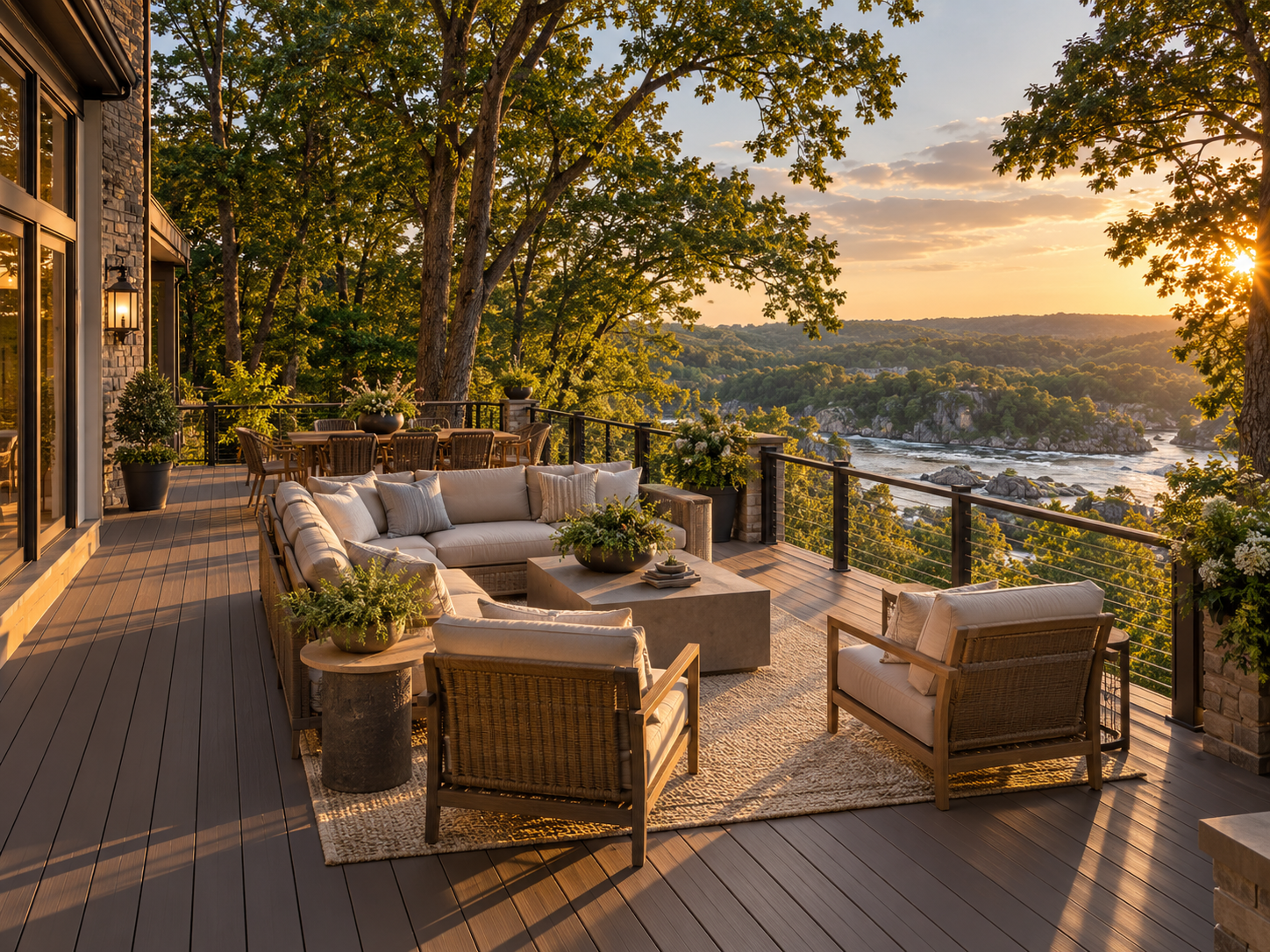
Large composite deck on a wooded, river-adjacent lot in Great Falls, Virginia

Great Falls homeowners planning a deck or porch typically start with more design freedom than almost anywhere else in Fairfax County. The Reserve, Falcon Ridge, and Seneca Farms sit on large lots zoned A-1 agricultural or low-density R-1 and R-2. Impervious surface limits stay generous enough that most deck additions never come close to the cap. That space opens up design options many closer-in homeowners never get to consider.

A meaningful share of Great Falls properties also sit near the Potomac River bluffs, inside a Resource Protection Area. Any construction close to that buffer needs additional environmental review before Fairfax County will issue a permit. Combine that with the private well and septic systems common across the area. A deck project here needs more upfront planning than a comparable build on a standard suburban lot.

At H&C Construction Design Build, we serve Great Falls homeowners with Decks & Porches projects across The Reserve, Falcon Ridge, Seneca Farms, and Hidden Springs. Here is what Great Falls homeowners should know before building in 2026.

What Decks and Porches Cost in Great Falls in 2026

Great Falls outdoor living costs generally sit at the higher end of Fairfax County pricing, reflecting larger footprints and premium finish expectations.

Standard composite deck: often larger in scope than a comparable project on a tighter lot, since generous setbacks give homeowners room to build without approaching coverage limits.

Screened porch: a popular addition on wooded, river-adjacent lots, letting homeowners enjoy the surrounding tree canopy while managing insect pressure near the water.

RPA-adjacent construction: projects near the Resource Protection Area buffer typically add cost and time for the required environmental review before permitting can proceed.

Fairfax County permit fees for a typical residential deck run $250 to $650, covering plan review and up to two inspections, with plan review taking three to six weeks.

Why Great Falls Decks and Porches Require Careful Planning

Resource Protection Area status applies to a meaningful share of Great Falls lots near the Potomac River bluffs. Confirming whether a property falls inside that buffer should happen before finalizing any deck design, since it can require additional environmental review.

Well and septic systems affect construction access and footing placement alike. A contractor unfamiliar with the area can misjudge how close equipment or footings can safely sit to a drain field or wellhead.

Large lots still require thoughtful siting. Mature trees, natural drainage patterns, and the surrounding rural character all factor into where a deck or porch makes the most sense. Coverage limits rarely become the deciding factor here.

The Permit Process for a Great Falls Deck or Porch

Confirming RPA status comes first for properties near the Potomac River bluffs, since that single detail determines whether additional environmental review applies.

Fairfax County requires a permit for any deck attached to the house, any freestanding deck over 200 square feet, and any structure more than 30 inches above grade at any point.

Building permit applications move through Fairfax County’s Land Development Services, including site plans, structural drawings, and zoning review.

Final inspection closes out the project. Each trade signs off as its portion completes, and Fairfax County confirms the finished structure meets code before the permit closes.

What Great Falls Homeowners Value Most in a Finished Outdoor Space

Scale that matches the lot earns real appreciation. Homeowners consistently say a generously sized deck or porch feels proportionate to Great Falls’s larger properties in a way a modest structure would not.

A design that respects the natural surroundings performs well long-term. Homeowners near the river bluffs in particular value an outdoor space that works with mature trees and existing grading rather than against them.

A screened porch extends outdoor time through buggy summer evenings near the water. Wooded, river-adjacent lots make insect pressure a bigger factor here than on more open suburban properties.

How to Choose a Deck and Porch Contractor in Great Falls

Confirm Virginia licensing first. Verify your contractor’s license through the Virginia Department of Professional and Occupational Regulation, and confirm liability coverage that meets Virginia’s requirements.

Ask specifically about Resource Protection Area experience. A contractor who has built decks near the Potomac River buffer before understands the additional review those projects require.

Review a local portfolio of comparable projects. Ask for photos and addresses of completed outdoor living projects on large or river-adjacent lots from the past two years, then call the homeowners directly.

Get every structural and permit detail in writing. RPA review status, well and septic setback compliance, and the applicable Fairfax County permit path should all appear in the contract.

H&C Construction: Decks and Porches in Great Falls, Virginia

H&C Construction Design Build serves Great Falls homeowners with deck and porch projects across The Reserve, Falcon Ridge, Seneca Farms, Hidden Springs, and the surrounding Fairfax County area.

Our team confirms RPA status, well and septic setbacks, and the Fairfax County permit path before construction begins, so nothing gets discovered mid-project. Northern Virginia projects are planned from the same design-build contract used for Maryland work, with Virginia licensing confirmed for the job. Our Maryland showroom is at 17620 Redland Road, Suite B, in Rockville.

Some Great Falls outdoor projects are part of a larger plan. If you are also considering a Home Additions project or a Kitchen Remodeling scope, we coordinate the outdoor work under the same contract. Our Home Renovation and Basement Remodeling teams work the same way when an outdoor upgrade is part of a bigger renovation.

Browse completed deck, porch, and whole-home renovation projects in our Our Remodeling Projects portfolio.
Posted on

Home Additions in Great Falls, Virginia: What Homeowners Need to Know in 2026

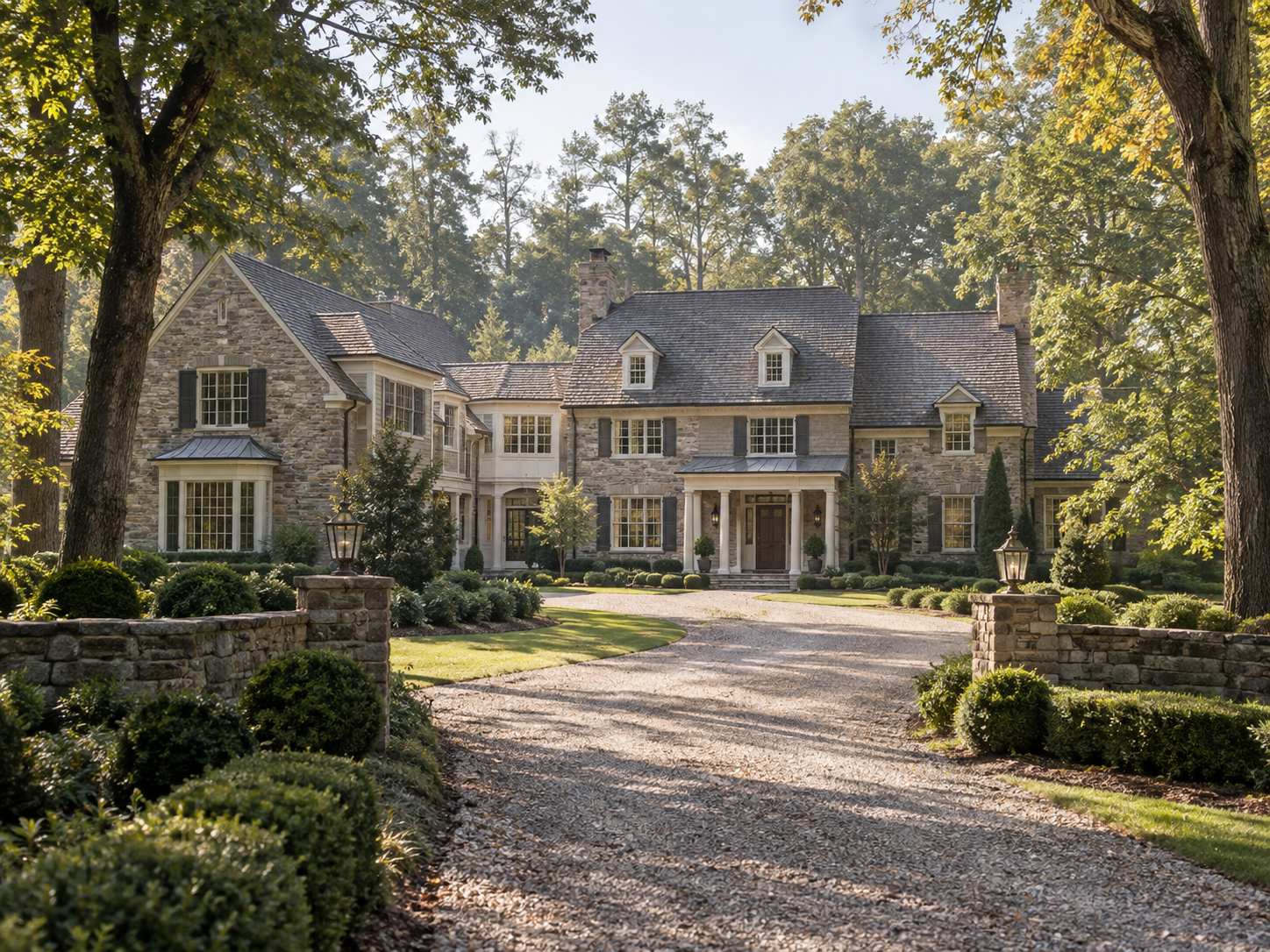
Two-story home addition on a wooded estate lot in Great Falls, Virginia

Home Additions in Great Falls, Virginia: What Homeowners Need to Know in 2026

Great Falls homeowners planning a home addition are working on some of the most heavily wooded, low-density lots in Fairfax County. Seneca Farms, Riverbend, and Springvale sit on multi-acre parcels where horse farms and mature tree canopy are part of daily life, not a rare feature. That rural character shapes what an addition can look like before design even begins.

Many Great Falls homes also run on private wells and septic systems rather than public water and sewer. An addition that adds bedrooms or bathrooms can increase plumbing demand enough to require well yield testing or a septic system evaluation. Planning around that reality from the start avoids a stalled project later.

At H&C Construction Design Build, we serve Great Falls homeowners with Home Additions projects across Seneca Farms, Riverbend, and Springvale. Here is what Great Falls homeowners should know before adding on in 2026.

What Home Additions Cost in Great Falls in 2026

Great Falls addition costs reflect both Fairfax County’s premium labor market and the site-specific challenges of a wooded, multi-acre lot.

Ground-floor addition: $150 to $350 per square foot, covering a single-story expansion with standard foundation work.

Second-story addition: $250 to $500 or more per square foot, reflecting the structural engineering needed to build above an existing footprint.

Site-specific costs: tree preservation planning, septic evaluation, and grading and drainage plans can add a meaningful line item beyond the base construction budget on a typical Great Falls lot.

Why Great Falls Additions Need Careful Planning

Tree preservation rules shape where an addition can go. Removing trees across more than 2,500 square feet requires a Fairfax County permit. Any work in a Resource Protection Area needs county approval or a waiver first.

Private well and septic systems limit added plumbing capacity. An addition with a new bedroom or bathroom often triggers well yield testing or septic evaluation. This review runs through the Fairfax County Health Department before permits move forward.

Drainage has to be planned alongside the addition itself. A grading and drainage plan becomes a permit requirement whenever new construction affects how stormwater moves across a wooded lot.

The Permit Process for a Great Falls Home Addition

Fairfax County Land Development Services reviews and issues permits for Great Falls additions. Building, electrical, plumbing, and mechanical permits are typically reviewed together for a full addition.

A tree preservation plan is often required alongside the building permit. This documents which mature trees stay protected and confirms the addition’s footprint respects those boundaries.

Septic and well documentation moves through the Health Department in parallel. Yield testing or a system evaluation has to clear before plumbing permits for an expanded bathroom count get approved.

Final inspection closes out the project. Each trade signs off as its portion completes, and Fairfax County confirms the finished addition meets code before the project is considered done.

What Great Falls Homeowners Value Most in a Home Addition

An addition that respects the wooded lot protects long-term value. Homeowners consistently say preserving mature trees around the new structure matters as much as the square footage gained.

Confirmed well and septic capacity prevents costly surprises. Knowing the system can support added bedrooms or bathrooms before construction begins keeps the project on schedule.

A design that matches the home’s rural, estate character earns real appreciation. An addition that reads as part of the original structure, rather than an obvious add-on, performs better at resale in this market.

How to Choose a Home Addition Contractor in Great Falls

Confirm Virginia licensing first. Verify your contractor’s license through the Virginia Department of Professional and Occupational Regulation, and confirm liability coverage that meets or exceeds Virginia’s requirements.

Ask specifically about septic and tree preservation experience. A contractor who has coordinated Health Department approval and county tree permits before can plan the timeline realistically.

Review a local portfolio of comparable estate-lot additions. Ask for photos and addresses of completed Great Falls projects from the past two years, then call the homeowners directly.

Get every site-specific requirement in writing. Tree preservation plans, septic evaluations, and grading details should all appear in the contract before work begins.

H&C Construction: Home Additions in Great Falls, Virginia

H&C Construction Design Build serves Great Falls homeowners with home addition projects across Seneca Farms, Riverbend, Springvale, and the surrounding Fairfax County area.

Our team manages Fairfax County Land Development Services permitting alongside septic, well, and tree preservation requirements, so a Great Falls addition moves forward on one coordinated timeline.

Many Great Falls addition projects grow into a broader renovation. If you’re also considering a Kitchen Remodeling project or a General Contractor scope for multi-trade oversight, we coordinate that work under the same plan. Our Home Renovation and Basement Remodeling teams work the same way when an addition is part of a larger project.

Browse completed home addition and estate renovation projects in our Our Remodeling Projects portfolio.

Ready to Plan Your Great Falls Home Addition?

Whether you are planning a single-story expansion or a full second-story addition, our design-build team gives you an honest cost range and a realistic septic, well, and tree preservation timeline before you commit to anything.