Posted on Leave a comment

Outdoor Rooms in the DMV: Why Homeowners Are Replacing Basic Patios with Year-Round Living Spaces

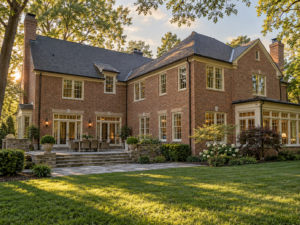
Outdoor room remodeling in the DMV with covered deck and outdoor kitchen.

Outdoor Rooms in the DMV: Why Homeowners Are Replacing Basic Patios with Year-Round Living Spaces in 2026

For years, many homeowners treated the backyard as a secondary space: a patio slab, a grill, a few chairs, and maybe a basic deck. But in 2026, that approach is changing across Washington, D.C., Maryland, and Northern Virginia.

Today, homeowners are not just asking for patios. They are asking for outdoor rooms.

An outdoor room is a fully designed exterior living space that works like an extension of the home. It may include a custom deck, covered porch, outdoor kitchen, privacy screen, lighting, dining area, lounge zone, fire feature, weather-resistant finishes, and a layout that feels intentional rather than improvised.

This trend is especially relevant in the DMV because homeowners want more functional space, better lifestyle value, improved privacy, and stronger indoor-outdoor flow without necessarily moving into a larger home. Recent D.C.-area design coverage has described this shift as “rooms, not patios,” highlighting how local homeowners are moving toward more defined outdoor living spaces instead of simple patio layouts.

For homeowners in Rockville, Bethesda, Potomac, Silver Spring, Chevy Chase, Kensington, Arlington, Alexandria, and Washington, D.C., outdoor room remodeling is one of the strongest ways to improve daily living and increase the perceived value of the home.

At H&C Construction Design Build, we help DMV homeowners create outdoor spaces that are beautiful, durable, functional, and built with the same care as an interior renovation.

To start planning a better exterior living space, explore our Decks & Porches service or view Our Remodeling Projects.


What Is an Outdoor Room?

An outdoor room is not simply a patio with furniture. It is an exterior space designed with structure, purpose, comfort, and long-term usability.

A well-designed outdoor room may include:

  • A custom deck or patio surface
  • A covered porch or pergola
  • Outdoor-rated flooring or decking
  • Built-in seating
  • Privacy screens or fencing
  • Outdoor kitchen or grill station
  • Lighting and electrical planning
  • Ceiling fans
  • Fire pit or outdoor fireplace
  • Dining area
  • Lounge area
  • Weather-resistant cabinetry
  • Storage
  • Landscaping integration
  • Strong connection to the interior of the home

The purpose is simple: create an outdoor space that feels like a true living area.

Instead of using the backyard only a few times per year, homeowners can create a space for morning coffee, family dinners, weekend gatherings, quiet reading, summer entertaining, and evening relaxation.

That is why outdoor rooms often connect naturally with Home Additions, Decks & Porches, Full Home Remodeling, and even Kitchen Remodeling when the goal is to create a better indoor-outdoor lifestyle.


Why Outdoor Rooms Are Trending in the DMV in 2026

The outdoor room trend is not random. It reflects how homeowners are thinking about space, comfort, and value in 2026.

Many families in the DMV are choosing to improve their current homes instead of moving. In high-demand areas like Bethesda, Potomac, Rockville, Chevy Chase, Arlington, and Washington, D.C., moving can be expensive, competitive, and disruptive.

As a result, homeowners are asking a more strategic question:

How can we make our current home work better for the way we live now?

Outdoor rooms answer that question by creating additional usable space without always requiring a full interior expansion.

A strong outdoor room can help a homeowner:

  • Use the backyard more often
  • Entertain more comfortably
  • Create privacy
  • Improve family gathering space
  • Connect the kitchen to the outdoors
  • Replace an unsafe or outdated deck
  • Add shade and weather protection
  • Improve resale appeal
  • Make the home feel larger and more complete

This is why outdoor rooms are becoming one of the most important remodeling conversations in the DMV for 2026.


Outdoor Room vs. Patio: What Is the Difference?

A basic patio is usually a flat surface with furniture. It may be useful, but it often lacks structure, lighting, privacy, storage, shade, and a clear design purpose.

An outdoor room is different.

It has a layout. It has zones. It has lighting. It may have a roof, pergola, deck structure, railings, privacy wall, outdoor kitchen, built-in seating, or fire feature. Most importantly, it is designed around how the homeowner actually lives.

A patio says:

“Here is a place to sit.”

An outdoor room says:

“Here is an extension of your home.”

That difference matters. A well-designed outdoor room can become one of the most used spaces on the property, especially during spring, summer, and fall.

For DMV homeowners, this is especially valuable because many properties have limited outdoor square footage. A smart design can make even a compact backyard feel intentional, private, and premium.


Why Decks and Porches Are the Foundation of Outdoor Rooms

For many homes in Maryland, Northern Virginia, and Washington, D.C., the best outdoor room starts with a professionally designed deck or porch.

A deck creates structure and elevation. A porch adds shade, protection, and architectural character. Together, they can transform the backyard from an unused area into a true extension of the home.

A deck or porch can support:

  • Outdoor dining
  • Lounge seating
  • Grilling
  • Covered relaxation
  • Fire features
  • Planters
  • Privacy screens
  • Lighting
  • Family gatherings
  • Outdoor storage
  • Safer transitions between indoor and outdoor spaces

This is why Decks & Porches should be one of the first services homeowners explore when planning an outdoor room.

However, deck and porch projects are not only aesthetic. They involve structural performance, footings, framing, railings, stairs, load requirements, waterproofing, drainage, and local code compliance.

That is why working with Licensed Contractors in Maryland matters. A properly built outdoor room should be safe, compliant, durable, and designed to last.


The Best Outdoor Room Ideas for DMV Homes

Every home is different. A townhouse in D.C. may need a compact privacy-focused patio. A single-family home in Potomac may support a large covered deck, outdoor kitchen, and fire lounge. A Rockville property may benefit from a screened porch or multi-zone backyard.

Below are some of the strongest outdoor room ideas for DMV homeowners in 2026.


1. Covered Outdoor Living Room

A covered outdoor living room is one of the most practical exterior upgrades for year-round comfort.

This type of space may include:

  • Roof extension
  • Covered porch
  • Pergola
  • Ceiling fans
  • Recessed lighting
  • Outdoor-rated furniture
  • Composite decking
  • Privacy walls
  • Outdoor heaters
  • Weather-resistant finishes

The main benefit is usability. A covered outdoor room protects the space from direct sun, light rain, and seasonal discomfort. It also gives the backyard a more finished architectural feel.

This type of project often connects with Home Additions because the structure may affect the roofline, exterior walls, siding, doors, windows, or foundation.

For homeowners who want a luxury exterior upgrade, a covered outdoor living room can become one of the most valuable spaces in the home.


2. Outdoor Dining Room Connected to the Kitchen

Outdoor dining is one of the most requested features for homeowners who enjoy hosting family and friends.

A strong outdoor dining room may include:

  • Dining table zone
  • Deck or patio surface
  • Outdoor lighting
  • Grill station
  • Countertop space
  • Storage
  • Privacy screen
  • Sliding or French doors
  • Easy kitchen access

The connection to the indoor kitchen is critical. If the outdoor dining area is too far from the kitchen, homeowners may use it less often.

For this reason, outdoor room planning should often be coordinated with Kitchen Remodeling. A kitchen remodel can improve access to the backyard, create better serving flow, add larger doors, or connect interior dining with exterior entertaining.

This is one of the strongest ways to make a home feel larger and more functional without changing the entire footprint.


3. Outdoor Kitchen and Grill Station

Outdoor kitchens are becoming more popular because they make exterior entertaining easier and more enjoyable.

A practical outdoor kitchen may include:

  • Built-in grill
  • Countertop space
  • Weather-resistant cabinets
  • Small refrigerator
  • Sink
  • Storage drawers
  • Trash pull-out
  • Pizza oven
  • Bar seating
  • Task lighting

In the DMV, outdoor kitchens must be built with durability in mind. Materials need to handle humid summers, cold winters, rain, freeze-thaw cycles, and heavy use.

This is where professional planning matters. Outdoor kitchens may involve electrical work, gas lines, plumbing, drainage, ventilation, fire safety, and local permit requirements.

A beautiful outdoor kitchen should not only look impressive. It should also be safe, functional, and built for long-term performance.

For homeowners planning a complete entertaining upgrade, the best strategy is often to connect the outdoor kitchen with Kitchen Remodeling and Full Home Remodeling so the indoor and outdoor spaces work together.


4. Privacy-Focused Backyard Retreat

Privacy is one of the biggest concerns for DMV homeowners, especially in dense neighborhoods.

A backyard may look attractive, but if it feels exposed to neighbors, sidewalks, or nearby streets, the family may not use it often.

A privacy-focused outdoor room may include:

  • Fencing
  • Horizontal privacy screens
  • Pergola walls
  • Tall landscaping
  • Planter boxes
  • Lattice panels
  • Outdoor curtains
  • Strategic lighting
  • Covered seating
  • Sound-buffering features

For homeowners in Bethesda, Silver Spring, Arlington, and Washington, D.C., privacy can transform an outdoor space from decorative to truly livable.

This type of outdoor remodeling can be especially valuable when paired with Decks & Porches or a broader Full Home Remodeling plan.


5. Fire Feature Lounge

A fire feature can turn an outdoor room into a natural gathering place.

Options include:

  • Gas fire pit
  • Wood-burning fire pit
  • Outdoor fireplace
  • Linear fire feature
  • Stone fire wall
  • Built-in seating around the fire area

A fire lounge works especially well for spring, summer evenings, and fall gatherings. It creates warmth, atmosphere, and a clear focal point.

However, fire features require careful construction planning. The contractor must consider material clearances, ventilation, safety, gas connections, drainage, and local regulations.

This is not an area where homeowners should improvise. Fire features should be designed and built with professional oversight.

For homes that already have exterior damage, drainage issues, aging masonry, or structural concerns, it may also be worth reviewing Restoration & Rebuild before adding new outdoor features.


6. Screened Porch or Three-Season Room

A screened porch is one of the most practical outdoor room upgrades in the DMV.

It allows homeowners to enjoy fresh air while reducing problems with insects, debris, direct sun, and light rain.

A screened porch may include:

  • Screened walls
  • Ceiling fans
  • Recessed lighting
  • Composite or wood flooring
  • Electrical outlets
  • Comfortable seating
  • Privacy features
  • Connection to a deck or patio

For many families, a screened porch becomes one of the most used spaces in the home during warmer months.

Depending on the project scope, a screened porch may be part of Decks & Porches or a larger Home Additions project.

The key is integration. The porch should not feel like an afterthought. It should match the architecture of the home and improve the way people move between indoors and outdoors.


7. Multi-Zone Backyard Design

One of the strongest outdoor room strategies is creating multiple zones instead of one large undefined area.

A multi-zone backyard may include:

  • Dining zone
  • Lounge zone
  • Cooking zone
  • Fire feature zone
  • Garden zone
  • Children’s play zone
  • Quiet reading area
  • Covered porch
  • Open deck
  • Walkout basement patio

This approach makes the backyard feel more organized and useful.

For example, adults can sit near the fire feature while children play nearby. Guests can gather around the outdoor kitchen while others relax under the covered porch.

A multi-zone layout can also connect with Basement Remodeling if the home has a walkout basement. A finished lower level that opens into a patio or outdoor lounge can create a powerful indoor-outdoor entertainment area.

This is especially valuable for sloped lots or homes with lower-level access in Montgomery County and Northern Virginia.


Construction Details That Make an Outdoor Room Last

A beautiful outdoor room is only successful if it is built correctly.

In the DMV, outdoor structures must handle humidity, rain, heat, freezing temperatures, drainage, soil movement, wind, and seasonal expansion and contraction.

Important construction details include:

  • Proper footings
  • Structural framing
  • Safe stairs
  • Code-compliant railings
  • Drainage planning
  • Flashing where structures connect to the home
  • Weather-resistant fasteners
  • Durable decking materials
  • Electrical planning
  • Lighting placement
  • Water management
  • Material expansion and contraction
  • Safe transitions between interior and exterior spaces

Poor construction can lead to water damage, unsafe railings, structural movement, premature material failure, rot, drainage issues, and costly repairs.

That is why homeowners should work with a professional General Contractor in Maryland or Licensed Contractors in Maryland instead of treating an outdoor room as a simple decorative project.

Outdoor rooms are design projects, but they are also construction projects. The best results come from combining both disciplines.


Permits, Safety, and Code Compliance Matter

Permits are one of the most important parts of outdoor remodeling.

Depending on the project, permits may be required for:

  • Deck construction
  • Porch construction
  • Structural framing
  • Roof extensions
  • Stairs
  • Railings
  • Electrical work
  • Gas lines
  • Plumbing
  • Outdoor kitchens
  • Significant grading or drainage work

Skipping permits can create serious problems. It can affect safety, resale, insurance, inspections, and future renovations.

For H&C Construction, high-quality remodeling should be approached with one principle: the project should not only look beautiful; it should also be safe, durable, compliant, and built for long-term value.

Need help planning a compliant outdoor remodeling project?
Explore Licensed Contractors in Maryland or request a consultation with H&C Construction Design Build.


Best Materials for Outdoor Rooms in the DMV

Material selection is critical for outdoor remodeling.

The best materials should resist moisture, sun exposure, insects, fading, temperature changes, and daily use.

Common options include:

  • Composite decking
  • Pressure-treated lumber
  • Cedar
  • Hardwood decking
  • PVC decking
  • Stone pavers
  • Porcelain pavers
  • Aluminum railings
  • Cable railings
  • Weather-resistant cabinetry
  • Exterior-rated lighting
  • Outdoor-rated ceiling fans
  • Fiber cement siding
  • Low-maintenance trim
  • Metal roofing accents

The right material depends on the home’s architecture, budget, maintenance expectations, and desired style.

For example, composite decking may be ideal for homeowners who want lower maintenance. Natural wood may work well for homeowners who prefer warmth and traditional character. Stone or porcelain pavers may be strong choices for ground-level patios and outdoor dining spaces.

The goal is not to choose the most expensive material. The goal is to choose the material that fits the property, climate, design, and long-term use.


How Outdoor Rooms Improve Home Value

Outdoor rooms can improve home value because they expand how the home functions.

They create more usable living space, improve lifestyle appeal, and make the property feel more complete.

A well-built outdoor room can make a home feel:

  • Larger
  • More comfortable
  • More private
  • Better for entertaining
  • Better connected to nature
  • More flexible
  • More premium
  • More aligned with modern buyer expectations

This matters in the DMV because buyers often compare homes based on lifestyle features. A thoughtful deck, porch, outdoor kitchen, or backyard living space can help a home stand out.

However, quality is essential. A poorly built deck or patio can reduce buyer confidence. A professionally designed outdoor room can become a major selling point.

For homeowners who are planning larger upgrades, outdoor rooms should be considered as part of a complete Full Home Remodeling strategy.


How Outdoor Rooms Connect With Full Home Remodeling

The best outdoor rooms do not feel disconnected from the house. They feel like they were always meant to be there.

That requires planning beyond the backyard.

A successful outdoor room should consider:

  • Kitchen access
  • Interior traffic flow
  • Door placement
  • Window views
  • Exterior materials
  • Rooflines
  • Siding transitions
  • Lighting continuity
  • Drainage
  • Privacy
  • Landscaping
  • Furniture layout
  • Future maintenance

This is why outdoor rooms often work best when coordinated with Full Home Remodeling, Kitchen Remodeling, Home Additions, or Basement Remodeling.

For example:

A kitchen remodel can create better access to an outdoor dining area.

A basement remodel can connect to a walkout patio or lower-level lounge.

A home addition can include a covered porch or terrace.

A full-home remodel can align interior and exterior materials so the whole property feels cohesive.

When indoor and outdoor spaces are planned together, the home becomes more functional, more elegant, and more valuable.


Outdoor Room Planning Checklist for Homeowners

Before starting an outdoor room project, homeowners should ask several important questions.

1. How do we want to use the space?

Is the goal dining, relaxing, entertaining, cooking, privacy, family time, or all of the above?

2. How often do we want to use it?

A seasonal patio requires a different design than a covered space intended for frequent use.

3. Do we need shade or weather protection?

Covered porches, pergolas, roof extensions, and screened rooms can improve comfort.

4. Do we need privacy?

Fences, screens, landscaping, and strategic layout can make the space feel more personal.

5. Will the project require permits?

Decks, porches, electrical work, gas lines, structural changes, and roof extensions may require permits.

6. How will the outdoor room connect to the kitchen or living room?

The better the connection, the more often the family will use the space.

7. What materials make sense for long-term maintenance?

The right materials should fit the home, climate, budget, and maintenance expectations.

8. Is the current deck or patio safe?

Older decks may have structural issues, weak railings, poor footings, or water damage.

If the current outdoor structure is aging, H&C Construction can help evaluate whether the best path is repair, replacement, or a full redesign through Decks & Porches or Restoration & Rebuild.


When Should You Remodel Your Outdoor Space?

Spring and early summer are strong planning periods for outdoor remodeling in the DMV.

Homeowners often begin thinking about outdoor upgrades when they notice:

  • The deck feels unsafe or outdated
  • The patio is rarely used
  • The backyard lacks privacy
  • The home needs better entertaining space
  • The kitchen does not connect well to the outdoors
  • The porch is damaged or too small
  • The family wants more usable square footage
  • The property needs better curb appeal
  • The outdoor area does not match the quality of the interior

If any of these issues sound familiar, an outdoor room may be a better investment than simply replacing furniture or adding temporary décor.

A professionally designed outdoor room can solve structural, functional, and lifestyle problems at the same time.


How H&C Construction Design Build Helps DMV Homeowners

At H&C Construction Design Build, we approach outdoor room remodeling with a complete design-build mindset.

That means we do not only think about how the space will look. We think about how it will function, how it will connect to the home, how it will perform over time, and how it will support your lifestyle.

Our outdoor remodeling process focuses on five priorities.

1. Lifestyle Discovery

We begin by understanding how you want to use the space. Outdoor dining, family gatherings, grilling, privacy, quiet relaxation, and entertaining each require different design decisions.

2. Existing Property Evaluation

We review the current deck, patio, porch, grading, structure, drainage, access points, exterior conditions, and potential code considerations.

3. Design and Material Planning

We help define the layout, materials, lighting, shade, privacy, railings, finishes, and connection to the home.

4. Construction Coordination

We manage the details that matter: framing, footings, decking, stairs, railings, lighting, structure, finishes, and sequencing.

5. Long-Term Value

We focus on craftsmanship, durability, safety, and a finished result that improves the way your home functions.

Whether you are planning a new deck in Rockville, a covered porch in Bethesda, an outdoor kitchen in Potomac, a patio redesign in Silver Spring, or a complete backyard renovation in the DMV, H&C Construction can help you create a space that feels intentional and built to last.

View Our Remodeling Projects to see examples of our work across Maryland and the DMV.


Build an Outdoor Room That Works Beyond Summer

The best outdoor spaces are not just seasonal. They become part of daily life.

In 2026, DMV homeowners are moving beyond basic patios and investing in outdoor rooms that provide comfort, privacy, functionality, beauty, and long-term value.

A well-designed outdoor room can help your family cook outside, host guests, relax after work, enjoy quiet evenings, create more usable space, and make your home feel larger without leaving the neighborhood you love.

If your backyard, deck, porch, or patio feels unfinished, outdated, unsafe, or disconnected from the rest of your home, now is the right time to rethink what that space could become.

H&C Construction Design Build helps homeowners across Maryland, Northern Virginia, and Washington, D.C. design and build outdoor living spaces with professional craftsmanship, durable materials, and a clear remodeling strategy.

Explore our Decks & Porches, Home Additions, Full Home Remodeling, Kitchen Remodeling, and Licensed Contractors in Maryland services, or contact H&C Construction Design Build to request a consultation.

Posted on Leave a comment

Building Safety Month Montgomery County 2026, The “Built to Last” Standard

Built to Last,  Montgomery County’s 2026 Safety Month Proclamation

On Tuesday, April 21, 2026, Montgomery County leaders will officially proclaim May as Building Safety Month. Under this year’s international theme, “Built to Last,” the Department of Permitting Services (DPS) is prioritizing structural durability, resilient electrical systems, and the long-term sustainability of the DMV’s housing stock.

For homeowners in Bethesda and Potomac, this proclamation is far more than a formality. It is a technical directive to ensure that luxury estates meet the rigorous 2026 International Residential Code (IRC) benchmarks. Consequently, Full Home Remodeling in Maryland has shifted; it is no longer just about aesthetics, but about verifying that your property is engineered to endure the evolving climate and regulatory demands of the mid-Atlantic.

The “Check Your Deck” Initiative: Preventing Structural Failure

A cornerstone of the 2026 campaign is the Residential Deck Maintenance Inspection Program, which opens for its 300-appointment limit on Friday, May 1, 2026. Montgomery County inspectors will be specifically targeting the Ledger Attachment and lateral load support systems—the two most frequent failure points in residential structures across the DMV.

If you are currently planning a Decks & Sunrooms expansion, the “Built to Last” standard requires a move toward Helical Pier foundations and non-corrosive, stainless-steel fastening systems. These components are designed to withstand the increased soil saturation and hydrostatic pressure seen in recent Maryland spring seasons. By proactively performing a structural audit during your Restoration & Rebuild phase, you avoid the catastrophic safety hazards that lead to failed inspections and diminished resale value during the peak 60-day selling window.

Mechanical Resilience and the Healthy Homes Mandate

The “Built to Last” theme also integrates the newly launched Maryland Healthy Homes Production Grant (April 7, 2026). This program provides up to $18,000 per property for critical safety repairs, including mitigating gas leaks, electrical hazards, and structural damage.

Whether you are finishing a Basement Remodeling or an extensive Home Additions project, your 2026 infrastructure must prioritize:

  • Smart Smoke & VOC Detection: Integrated with whole-home automation to monitor IAQ (Indoor Air Quality) in real-time.

  • Whole-Home Surge Protection: Essential for protecting the sensitive control boards of high-efficiency heat pumps required by the new 2026 all-electric codes.

  • Lead & Asbestos Remediation: Now a primary focus of state-backed “Safe Home” funding, ensuring that older Bethesda estates are brought up to modern biological safety standards.

The ROI of “Safety as Infrastructure”

In the 2026 market, “Safety” has become a quantifiable valuation metric. Homeowners who can produce a Technical Safety Audit—demonstrating upgraded fire-rated materials in a Kitchen Remodeling or moisture-proof Flooring systems—are seeing a 7% premium on appraisals compared to “cosmetic-only” renovations.

By aligning your remodel with the 2026 “Built to Last” proclamation, you aren’t just following code; you are securing your property’s status as a high-performance asset. Partnering with a General Contractor in Maryland who treats structural safety as the foundation of luxury ensures your property remains a secure sanctuary for generations.


Capitalize on the 2026 Safety Standards

Are you ready to move your property to the “Built to Last” standard? Explore our specialized 2026 design-build services:

Posted on Leave a comment

The ‘Quiet Luxury’ Trend, Why 2026 Homeowners Prioritize Acoustic Privacy

The ‘Quiet Home’ Premium, Why 2026 Luxury Buyers Prioritize Acoustic Privacy

In the 2026 DMV real estate market, the definition of luxury has moved from “visual showiness” to “Sensory Sovereignty.” The “Quiet Luxury” movement—a dominant force in high-end architecture this year—prioritizes homes that function as sensory retreats from an increasingly connected world. Unlike the echo-prone open concepts of the past decade, 2026 buyers in Bethesda and Rockville are paying a significant premium for Acoustic Privacy: spaces specifically engineered to facilitate deep concentration, mental restoration, and restorative sleep.

As of April 20, 2026, properties that feature “Integrated Acoustic Suites” are outperforming standard luxury listings by nearly 9% in price per square foot. Consequently, Full Home Remodeling has evolved into a discipline of interior performance, where the “sound” of a room is as important as its silhouette.

The Sound-Sensitive Remodel: Engineering Silence

The surge in multi-generational living and the permanence of high-level remote leadership roles have made acoustic separation a functional requirement rather than a perk. Accordingly, any high-performance Basement Remodeling or Home Additions project must now integrate Advanced Sound-Sensitive Design. At H&C Construction, we achieve this through a “Layered Attenuation” strategy:

  • High-Density Mineral Wool: We’ve moved beyond fiberglass to mineral wool insulation, which provides superior fire resistance and a massive increase in Sound Transmission Class (STC) ratings.

  • Decoupled Framing: For master suites and home offices, we utilize resilient channels to decouple the drywall from the studs, effectively “breaking” the path for vibration and sound waves.

  • Solid-Core Infrastructure: Replacing hollow-core units with 1 ¾-inch solid-core doors and drop-seals is now a mandatory baseline for any 2026 Bathroom Remodeling or bedroom wing expansion.

Biophilic Textures: The 2026 Material Shift

The “Quiet Luxury” aesthetic is intrinsically linked to the Biophilic Design movement. In 2026, the sterile “white-box” look has been replaced by layered, earthy textures that naturally absorb sound.

In a modern Kitchen Remodeling project, this means replacing high-gloss, reflective cabinets with matte-finished natural woods and honed stone. These materials don’t just “look” warmer; they reduce the “visual and auditory noise” that contributes to cognitive fatigue. Similarly, we are seeing a massive demand for Bio-Based Mycelium and PET Felt Wall Panels. These acoustic treatments, often disguised as custom art installations, are the primary tool for dampening the echoes in high-ceilinged Decks & Sunrooms or grand foyers.

The “Underfoot” Investment: Acoustic Flooring

Often the most overlooked aspect of a luxury remodel is the impact of vertical sound transmission. During a Restoration & Rebuild phase, we prioritize high-performance Flooring underlayments—such as recycled cork or specialized rubber membranes. These materials mitigate the “click-clack” of high-traffic areas, ensuring that a Home Additions unit above a garage or a basement suite remains a silent sanctuary regardless of the activity elsewhere in the estate.

The 2026 ROI of the “Quiet Home”

Market data indicates that “Quiet Luxury” homes are achieving a 99% list-to-sale ratio in the current Spring 2026 window. By investing in the “Quiet Home” premium today, you are not just following a design trend; you are building an environment that supports the health, focus, and longevity of its inhabitants. Partnering with a General Contractor in Maryland who understands the physics of sound is the only way to ensure your luxury project delivers the serenity it promises.


Experience the Future of Quiet Luxury

Are you ready to transform your property into a high-performance sensory retreat? Explore our specialized 2026 design-build services to see how we scale silence:

Posted on Leave a comment

Transit-Oriented Development Maryland 2026, Unlocking Station Equity

Professional editorial cover image showing a modern Maryland transit-oriented development scene with a light rail train at Greenbelt Station, mixed-use apartment buildings, a café, pedestrians, a cyclist, a bus, and a protected bike lane. Large headline text reads “Transit-Oriented Development Maryland 2026: Unlocking Station Equity,” with Maryland flag icons and graphics suggesting transit, housing, jobs, and community connectivity.

The 7,000-Unit Surge: Leveraging Maryland’s New Zoning Reforms for 2026

As of April 16, 2026, the legislative landscape for Maryland property owners has fundamentally shifted. Following the official adjournment of the General Assembly, the Maryland Transit and Housing Opportunity Act (HB 894) has officially moved to “Passed Enrolled” status. This historic legislation unlocks over 300 acres of state-owned land for high-density, mixed-use development and streamlines the process for private homeowners to scale their own “Functional Density.

For homeowners in Silver Spring, College Park, and Rockville, this represents a generational equity play. The Act effectively removes the “Red Tape” that has historically suppressed property values near rail corridors. Consequently, Home Value Appreciation in Maryland is now tied directly to a property’s proximity to frequent transit and its ability to adapt to new zoning bypasses.

1. Eliminating the Parking Tax on Progress

One of the most radical shifts in the 2026 Act is the elimination of minimum parking requirements for developments within a quarter-mile of high-quality transit. Previously, homeowners wishing to execute a Home Additions project were often forced to sacrifice valuable square footage—and thousands of dollars—to meet outdated parking mandates.

Accordingly, you can now utilize your entire lot footprint for high-end living space or detached accessory units. By shifting the focus from “cars to people,” your property captures the Enterprise Zone tax incentives now automatically designated to these transit-oriented development (TOD) areas, allowing you to prioritize Kitchen Remodeling and high-end finishes over asphalt and concrete.

2. Scaling with the “Silver Homes” Advantage

Parallel to the TOD Act, the Starter and Silver Homes Act of 2026 has redefined what is possible on a standard residential lot. This legislation allows for smaller single-family footprints and the easier division of lots to build “Silver Homes”—high-performance, downsized luxury units.

Whether you are performing a Basement Remodeling to create a legal rental suite or building a detached “Sanctuary” ADU, these new laws ensure that your project is protected from local regulatory delays. Finally, by utilizing the Housing Certainty Act of 2026, once your project is approved, the rules are “locked in,” preventing the surprise impact fees that previously derailed large-scale Bathroom Remodeling and expansion projects.

3. Acoustic Isolation: The Premium of Privacy

As density increases near Maryland’s transit hubs, the definition of luxury has moved from “space” to “Acoustic Resilience.” Our Restoration & Rebuild services for transit-adjacent homes now prioritize STC-rated glass and specialized Flooring underlayments to eliminate vibration and urban noise.

Integrating these technical upgrades during your Full Home Remodeling ensures that your property remains a quiet sanctuary while benefiting from the massive infrastructure investments currently flowing into Maryland’s rail corridors. Furthermore, adding a four-season Decks & Sunrooms transition provides the indoor-outdoor connectivity that 2026 buyers prioritize in high-density areas.


Capitalize on the 2026 Zoning Shift Today

The zoning gates have officially opened. Are you ready to move your property from a “Standard Lot” to a “High-Yield Asset”? As a leading General Contractor in Maryland, we help you navigate these legislative shifts to maximize your ROI.

Explore our specialized 2026 design-build services:

Posted on Leave a comment

All-Electric Building Code Montgomery County 2026, The New Standard

The Post-Court Reality, Navigating the 2026 All-Electric Mandate

As of April 16, 2026, the architectural landscape of the DMV has reached a definitive turning point. Following the landmark U.S. District Court ruling on March 25, 2026, which upheld Montgomery County Bill 13-22, all-electric construction is no longer a sustainable “option”—it is the legally enforced benchmark for luxury real estate.

For homeowners in Bethesda and Rockville, this ruling confirms that the “Decarbonization Law” is fully active. Consequently, any Full Home Remodeling project initiated this spring must pivot away from fossil fuel infrastructure to avoid future compliance penalties and to preserve Home Value Appreciation in Maryland.

1. The Performance Shift: Why Induction is the New Luxury

The court’s decision affirms that local jurisdictions possess the legal authority to phase out fossil fuel appliances in new and substantially renovated structures. Accordingly, your Kitchen Remodeling project should no longer be designed around a traditional gas range.

Instead, we are integrating High-Performance Induction Suites that offer 90% energy transfer efficiency—nearly double that of gas. Beyond performance, the shift is driven by Indoor Air Quality (IAQ); induction eliminates the nitrogen dioxide (NO2) and carbon monoxide emissions that the 2026 Healthy Homes standards now explicitly flag. By removing gas lines now, you satisfy Net-Zero standards and secure a higher appraisal in a market that is hyper-sensitive to “brown-to-green” asset transitions.

2. Infrastructure Resilience: The 400-Amp Standard

Transitioning to an all-electric sanctuary requires a total system audit that exceeds basic aesthetics. Whether you are executing a Basement Remodeling to create an independent living suite or an extensive Home Additions project, your electrical backbone must be “Decarbonization Ready.”

Currently, the 2026 gold standard for a high-performance estate is an upgrade to 400-amp service. This capacity is a mechanical necessity to simultaneously power:

  • High-Efficiency Heat Pump Water Heaters that draw significant peak loads.

  • Whole-Home HVAC Heat Pumps capable of maintaining comfort in Maryland’s shifting humidity.

  • Dual Level-2 EV Charging Stations, which 92% of luxury buyers now demand as a standard amenity.

Partnering with a General Contractor in Maryland who understands these complex technical load calculations is the only way to ensure your high-end finishes aren’t undermined by an obsolete electrical spine.

3. Scaling Value Through Decarbonized Restoration

With the Maryland EmPOWER Act incentives reaching record levels this month, the financial case for electrification is undeniable. Homeowners who integrate solar-ready roofing and smart energy monitors during a Restoration & Rebuild phase are seeing a direct reduction in annual carry costs by up to 35%.

Furthermore, upgrading your Flooring to support radiant electric heating or high-thermal-mass materials can further optimize your home’s energy envelope. Finally, completing your Bathroom Remodeling with a high-performance heat-pump dryer and steam shower ensures every square inch of your home aligns with the “Full Electric” mandates that are now the prerequisite for a premium sale in 2026.


Lead the Decarbonization Transition

The shift to all-electric is a challenge for some, but a massive equity opportunity for those who lead. Are you ready to future-proof your estate? Explore our specialized 2026 technical services:

Posted on Leave a comment

Home Restoration Maryland 2026, Lowering Insurance & Utility Costs

Restored Maryland Colonial home exterior with classic architecture, white siding, stone accents, warm interior lighting, manicured landscaping, and a refined front entry at twilight.

Scaling Property Value Through 2026 Infrastructure Upgrades

As of April 14, 2026, the Maryland luxury market is shifting its focus from “how it looks” to “how it performs.” With the state’s Resilience through Restoration initiative moving into its final 2026 construction phases, homeowners in Bethesda, Potomac, and Annapolis are realizing that aesthetic beauty is secondary to structural survival. Consequently, the most effective Home Restoration in Maryland for 2026 is one that prioritizes climate resilience and insurance-ready infrastructure.

By aligning your spring projects with new state rebates and insurance mandates, you don’t just protect your home—you scale its equity by lowering its long-term operational costs.

Capturing the $7,500 RainScapes Rebate

With spring storms intensifying, storm-water management has become a top-tier valuation metric. In Montgomery County, the RainScapes Rewards program currently offers residential rebates of up to $7,500 per parcel.


Furthermore, Prince George’s County has reinstated its Rain Check Rebate for fiscal year 2026, offering up to $6,000 for permeable pavement and green roofs. Therefore, integrating these nature-based solutions into your Home Additions or driveway projects is a double-win. You secure immediate cash back while significantly reducing the risk of basement flooding, a major deterrent for 2026 buyers.


The Insurance-Driven Remodel: Saving 25% on Premiums

Maryland home insurance rates have climbed steadily, but 2026 insurers are offering massive “Safety Credits.” Upgrading your home’s “shell” can now trigger discounts of up to 25% for homes newer than 10 years or those with comprehensive safety retrofits.

Accordingly, your Full Home Remodeling plan should prioritize:

  • Electrical & Plumbing Hardening: Modernizing systems to 2026 code reduces fire and leak risks, which insurers reward with lower premiums.

  • Roof Resilience: Utilizing impact-resistant materials can save an average of $121 annually on insurance alone.

  • Smart Monitoring: Installing AI-powered water shut-off valves and fire suppression systems is the new standard for luxury DMV listings.

The “Invisible” Kitchen: High-Performance Electrification

The 2026 Kitchen Remodeling trend is focused on Indoor Air Quality (IAQ). Recent Maryland studies show that traditional gas stoves contribute to unhealthy NO2 levels in over 50% of homes.

Consequently, switching to high-performance induction technology satisfies both the 2026 EmPOWER Act efficiency standards and the growing demand for “Healthy Homes.” By concealing these high-tech systems behind biophilic wood panels or matte stone, you maintain a “Warm Minimalist” aesthetic while advertising a home that actively protects its inhabitants’ respiratory health.

Scaling with Adaptive Multi-Gen Suites

As housing production in Maryland continues to lag, Functional Density is the ultimate equity play. Whether you are executing a Basement Remodeling or an ADU, your strategy must include Flood-Proofing and independent utility monitors.

Choosing high-performance Flooring—such as waterproof large-format porcelain—ensures your below-grade spaces remain resilient against Maryland’s freeze-thaw and spring rain cycles. Finally, adding an all-season Decks & Sunrooms transition with integrated drainage ensures your outdoor space remains an asset, not a liability, during the 2026 storm season.


Protect and Scale Your Estate Today

Are you ready to build a high-performance, climate-resilient home? Explore our specialized 2026 restoration and design services:

Posted on Leave a comment

Aging-in-Place Remodeling Maryland, The New Multi-Gen Luxury

Accessible aging-in-place bathroom in Maryland with a curbless walk-in shower, built-in bench, grab bars, comfort-height vanity, and walk-in tub designed for safety and comfort

Scaling Multi-Generational Luxury in Maryland for 2026

As of April 14, 2026, the concept of the “starter home” has effectively vanished from the DMV landscape. Instead, Maryland homeowners are pivoting toward Aging-in-Place Remodeling. According to the latest NAHB data, 73% of homeowners now request features that allow for long-term residency across multiple generations. Consequently, the smartest way to scale your property’s value in Bethesda and Rockville is to integrate Universal Design—the practice of creating beautiful spaces that remain accessible for a lifetime.


By executing a Full Home Remodeling plan focused on “Generational Wealth,” you transform your house into a permanent sanctuary. This strategy ensures your home remains a high-demand asset for the 56% of remodelers currently engaged in accessibility work.


Universal Design in the Spa-Bath

Bathroom Remodeling in 2026 is no longer about clinical accessibility; it is about Inclusive Luxury. We are seeing a massive surge in “Zero-Threshold” showers that use large-format porcelain slabs and hidden linear drains.

Furthermore, these designs incorporate high-performance Flooring with superior slip resistance. Therefore, your primary suite functions as a high-end retreat while simultaneously future-proofing your home for the “Silver Home” standards currently trending in 2026.

The Adaptive Kitchen: Multi-Level Performance

The 2026 kitchen must serve a five-year-old and a ninety-five-year-old with equal efficiency. Accordingly, your Kitchen Remodeling should focus on Variable-Height Surfaces and motorized cabinetry.

By prioritizing High-Performance Electrification and smart-shutoff technology, you create a safer environment for independent living. These “Adaptive Infrastructure” features are now a top priority for Maryland buyers who are planning for multi-generational co-habitation.

Scaling with Defined In-Law Suites

As Home Additions continue to drive the market, the “Defined Flex-Space” has become a non-negotiable asset. Whether you are finishing a Basement Remodeling or building an ADU, your strategy should include a private entrance and acoustic isolation.

This ensures that grandparents or adult children have autonomy within the family footprint. Consequently, these “Second-Unit” investments provide a double-win: they offer immediate utility and command a premium price in a market where housing production is only meeting half of the current demand.

Structural Integrity for the “Long Game”

In 2026, quality construction is the ultimate luxury. Families want projects done right the first time—utilizing durable materials that survive the “Long Game” of homeownership.


Choosing a General Contractor in Maryland who focuses on the “Performance Shell” ensures your home meets the 2026 Net-Zero standards. Whether you are installing a four-season Decks & Sunrooms transition or performing a Restoration & Rebuild, structural resilience is the foundation of your family’s equity.


Build Your Family’s Legacy Today

Are you ready to transform your house into a high-performance forever home? Explore our specialized 2026 services:

Posted on Leave a comment

High-Performance Remodeling Maryland

High-performance remodeling kitchen and living space in Maryland featuring an open-concept layout, large quartz island, custom cabinetry, premium lighting, wood finishes, and seamless indoor-outdoor flow.

Scaling High-Performance Remodeling in Maryland

As of April 13, 2026, the Maryland housing market is facing a unique challenge: “Invisible Inventory.” While new listings are down, active listings in Montgomery County have surged by 25% because homes are simply sitting longer. Consequently, a standard cosmetic flip is no longer enough to trigger a sale. To win in this climate, you must focus on High-Performance Remodeling. By upgrading your home’s infrastructure—specifically its energy systems and structural shell—you move your property out of the “Invisible Inventory” stack and into the high-demand category. This strategy ensures your home attracts buyers who prioritize long-term operational savings over temporary aesthetic trends.


Leveraging the HB87 Decarbonization Tax Credits

Maryland’s focus on sustainability has reached a peak this spring. Under current 2026 regulations, homeowners can utilize the HB87 Income Tax Credit to offset the costs of electrification.

Furthermore, combining these state incentives with the federal Energy Efficient Home Improvement Credit allows for a total annual savings of up to $3,200. Therefore, prioritizing a Kitchen Remodeling project that shifts from gas to high-performance induction technology is a strategic financial move. It lowers your taxable income while increasing your home’s “Net-Zero” appeal to 2026 buyers.

Structural Resilience: The “Performance Shell” Upgrade

With the median sale price in Bethesda hovering at $1.1M, buyers expect structural perfection. Consequently, our Restoration & Rebuild services now focus on the “Performance Shell.”

This involves upgrading your home’s envelope to meet the 2026 Green Building Standards. By installing moisture-impervious barriers and high-efficiency windows during a Full Home Remodeling phase, you protect the interior luxury from Maryland’s increasingly humid spring cycles. Accordingly, these upgrades prevent the “Price Reductions” that are currently plaguing 30% of active listings in the DMV.

The “Invisible” Smart Infrastructure

The 2026 buyer is wary of “gadget-fatigue.” Therefore, your Bathroom Remodeling and common area upgrades should feature Invisible Integration.

We are currently seeing a high ROI on Matter-Protocol lighting and hidden whole-home energy monitors. These systems provide the convenience of a smart home without the visual clutter of wall-mounted screens. By focusing on Subtle Automation during your Basement Remodeling, you create a future-proof environment that appeals to the 30–44 age demographic currently driving the 2026 renovation market.

Scaling Utility with Multi-Generational Additions

As days-on-market increase to a median of 44 days, versatility is your best defense. The demand for Functional Density—the ability for a home to house multiple generations or a hybrid workspace—is the #1 driver for Home Additions in 2026.

Whether you are adding a four-season Decks & Sunrooms transition or a full in-law suite, you must ensure the new footprint is “Electric-Ready.” Finally, choosing high-performance Flooring that withstands heavy traffic ensures your home remains “Showroom-Ready” throughout a longer listing period.


Beat the 2026 Market Average

Are you ready to move your property from “Active” to “Sold”? Explore our specialized high-performance services:

Posted on Leave a comment

Wellness Remodeling Maryland, The New Luxury Sanctuary

Professional wellness remodeling bathroom in Maryland with a freestanding soaking tub, double vanity, glass walk-in shower, soft natural finishes, and garden views for a calm spa-like atmosphere.

Defining Wellness Remodeling in Maryland for 2026

As of April 13, 2026, the sterile, “Instagram-white” kitchen is officially a relic of the past. Today, luxury in the DMV is defined by Wellness Architecture—a sophisticated approach that prioritizes acoustic comfort, circadian health, and biophilic materials. Consequently, homeowners in Rockville and Potomac are pivoting their Full Home Remodeling plans toward creating restorative environments that actively support mental well-being.

By executing a Wellness Remodeling strategy, you don’t just update your finishes; you future-proof your equity against a market that now demands “Health-First” homes.

The Biophilic Spa: Beyond the Standard Bath

Bathroom Remodeling has matured into a focus on high-performance recovery. In 2026, the primary suite must function as a professional-grade spa. We are seeing a surge in requests for:

  • Organic Tactility: Replacing cold grays with warm terracotta, walnut millwork, and matte stone.


  • Circadian-Synced Lighting: Systems that mimic Maryland’s natural light cycles to regulate sleep.


  • Acoustic Isolation: Utilizing specialized sub-flooring and quiet-rock to eliminate household noise.

Furthermore, these “Sanctuary” features are delivering a 60% to 113% ROI this spring, as buyers prioritize homes that offer a refuge from the digital world.

The “Invisible” Kitchen: Architectural Integration

In 2026, the kitchen is no longer a showroom of gadgets; it is an architectural extension of the living space. This “Invisible” trend focuses on panel-ready appliances and Back Kitchens (Butler’s Pantries) that hide the chaos of meal prep.


Accordingly, your Kitchen Remodeling should utilize High-Performance Electrification. Induction cooktops that sit flush with natural stone counters satisfy both the 2026 energy codes and the “Warm Minimalist” aesthetic currently dominating Bethesda.

Defined Flex-Spaces: The End of Open-Concept Noise

Buyers in April 2026 are searching for Functional Privacy. The trend has shifted away from giant, echoing rooms toward “Defined Transitions.”

Whether you are finishing a Basement Remodeling or an Home Additions project, you must include acoustic-treated zones for hybrid work. Utilizing pocket doors and custom built-ins allows a room to adapt from a meditation nook to a guest suite without permanent structural changes.


Structural Resilience: The Performance “Shell”

With home values in the DMV at record highs, protecting your structural shell is a financial necessity. Consequently, our Restoration & Rebuild services now integrate AI-powered moisture sensors behind the walls.

By upgrading your Flooring and wall systems during the “walls-open” phase, you ensure your home meets the 2026 Net-Zero standards. Finally, adding an all-season Decks & Sunrooms transition provides the indoor-outdoor connection that is now considered a “must-have” for 2026 luxury listings.


Lead the 2026 Wellness Market

Ready to transform your home into a high-performance sanctuary? Explore our specialized design-build services:

Posted on Leave a comment

ADU Builders Maryland, ROI and Property Scaling Guide

Home value strategy in Maryland for 2026, showing a professional planning desk with transit and housing analysis, investment documents, a model home, and H&C Construction branding.

The Financial Power of ADUs in Maryland for 2026

As of April 10, 2026, savvy Maryland homeowners are no longer just “renovating”—they are Scaling. With home prices in Bethesda and Rockville hitting a median of $546,500, traditional upgrades have hit a ceiling. Consequently, building an Accessory Dwelling Unit (ADU) has become the most powerful way to break through that ceiling and increase your property’s valuation by up to 30%.

By partnering with expert ADU Builders in Maryland for 2026, you turn your backyard into a high-yield financial asset. This strategy utilizes the brand-new Howard County CB3-2026 laws to create legal, high-performance living spaces that buyers crave this spring.

 The ROI of “Functional Density”

In the 2026 market, “Functional Density” is the ultimate luxury. A professional Home Additions project that adds an independent suite offers a unique double-win.

For instance, you gain immediate multi-generational utility for family members. Furthermore, these units often generate rental income that outpaces the cost of the initial construction loan. Because 2026 buyers prioritize homes with “Income Potential” or “In-Law Privacy,” your property attracts a much wider and more competitive pool of offers.

2. Designing for Resale: The Showroom ADU

An ADU must feel like a primary residence, not a shed. Therefore, we integrate high-end Kitchen Remodeling and Bathroom Remodeling into every footprint.

Currently, the trend for 2026 is “Micro-Luxury.” This involves using large-format porcelain slabs, hidden induction cooktops, and biophilic lighting. Accordingly, when you treat an ADU with the same “Showroom Quality” as a Full Home Remodeling project, you ensure the highest possible appraisal value upon completion.

Efficiency Mandates: Meeting the 2026 Standard

Maryland’s enforcement of the 2021 IECC energy codes makes “Electric-Ready” builds mandatory this month. Every new suite must include 240V circuits and meet strict ACH50 leakage tests. Consequently, your ADU becomes a leader in sustainability. By prioritizing high-performance Flooring and superior insulation, you lower the operational costs for the occupant. Therefore, your investment remains resilient against rising utility prices, adding an “Invisible ROI” that buyers deeply appreciate in 2026.

Protecting Equity with Digital Transparency

The 2026 construction landscape requires absolute legal precision. Choosing a General Contractor in Maryland who provides a Compliance Vault—including digital permit tracking and $500,000 in liability coverage—is essential.

Whether you are performing a Basement Remodeling or a detached Restoration & Rebuild, transparency prevents the delays that destroy a project’s profitability. Finally, integrating your new unit with professional Decks & Sunrooms ensures a seamless transition that maximizes your entire lot’s potential.


Execute Your Scaling Strategy Today

Are you ready to build the future of your property? Explore how our 2026 design-build expertise scales your home value: