Full Home Remodeling vs. Room-by-Room Renovation in Maryland: Which Approach Makes More Sense?
If your home needs major updates, the real question is not only what to renovate, but how to renovate it. Should you move forward with a full home remodeling project under one coordinated plan, or improve the house gradually with targeted upgrades over time?
For many Maryland homeowners, this decision affects more than budget. It influences disruption, scheduling, design consistency, trade coordination, and long-term resale appeal. A phased project can make sense in some situations, but in others, a whole-home strategy delivers a cleaner result and a more efficient renovation process.
If you are evaluating both options, the smartest approach is to think beyond short-term spending and focus on how the renovation will function as a complete investment in your property.
What Is the Difference Between Full Home Remodeling and Room-by-Room Renovation?
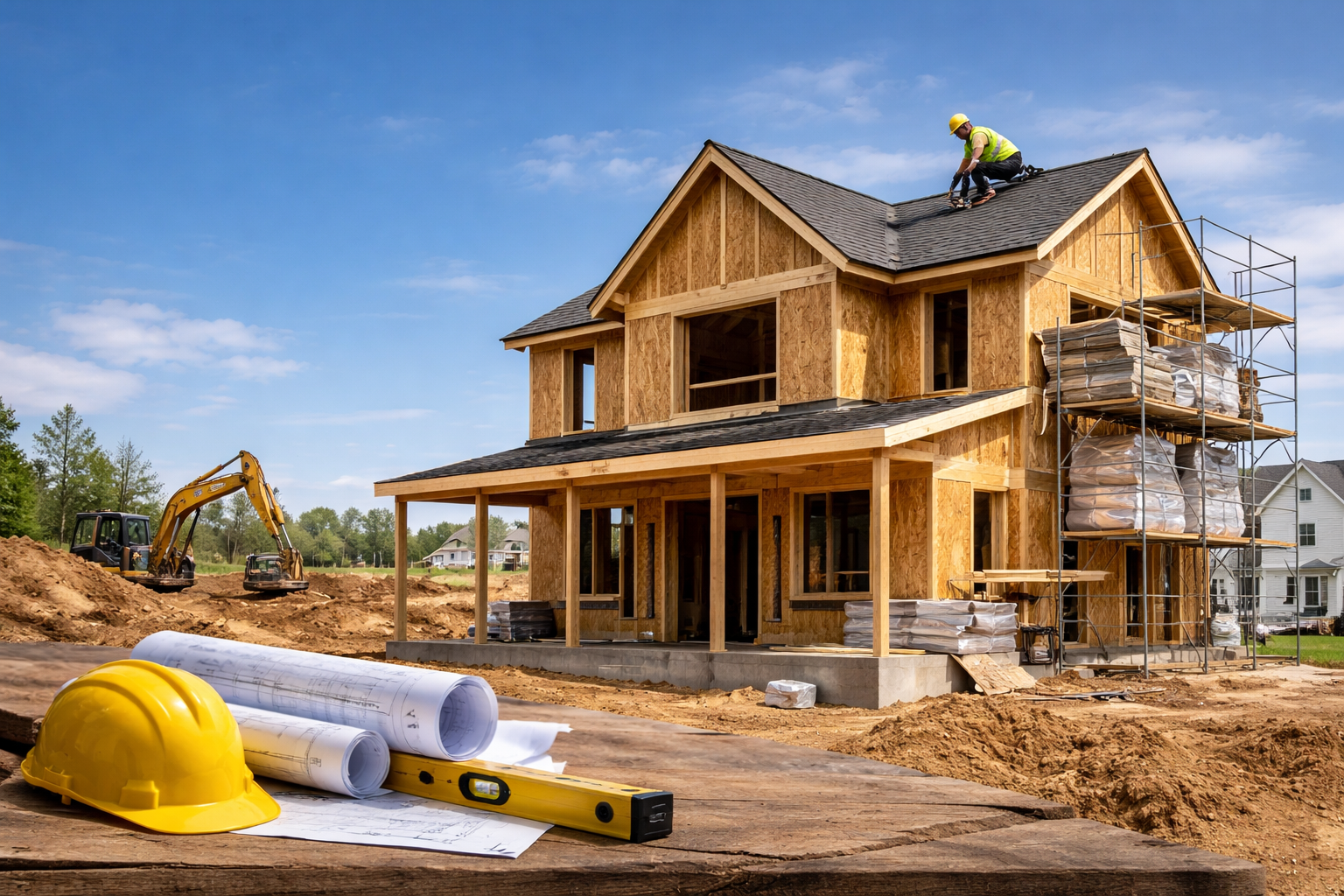
A full home remodel usually involves updating multiple key areas of the home under one master plan. That may include the kitchen, bathrooms, flooring, lighting, layout improvements, storage, finishes, and in some cases structural changes. When handled by an experienced general contractor in Maryland, this approach creates a more unified construction schedule and a more cohesive final result.
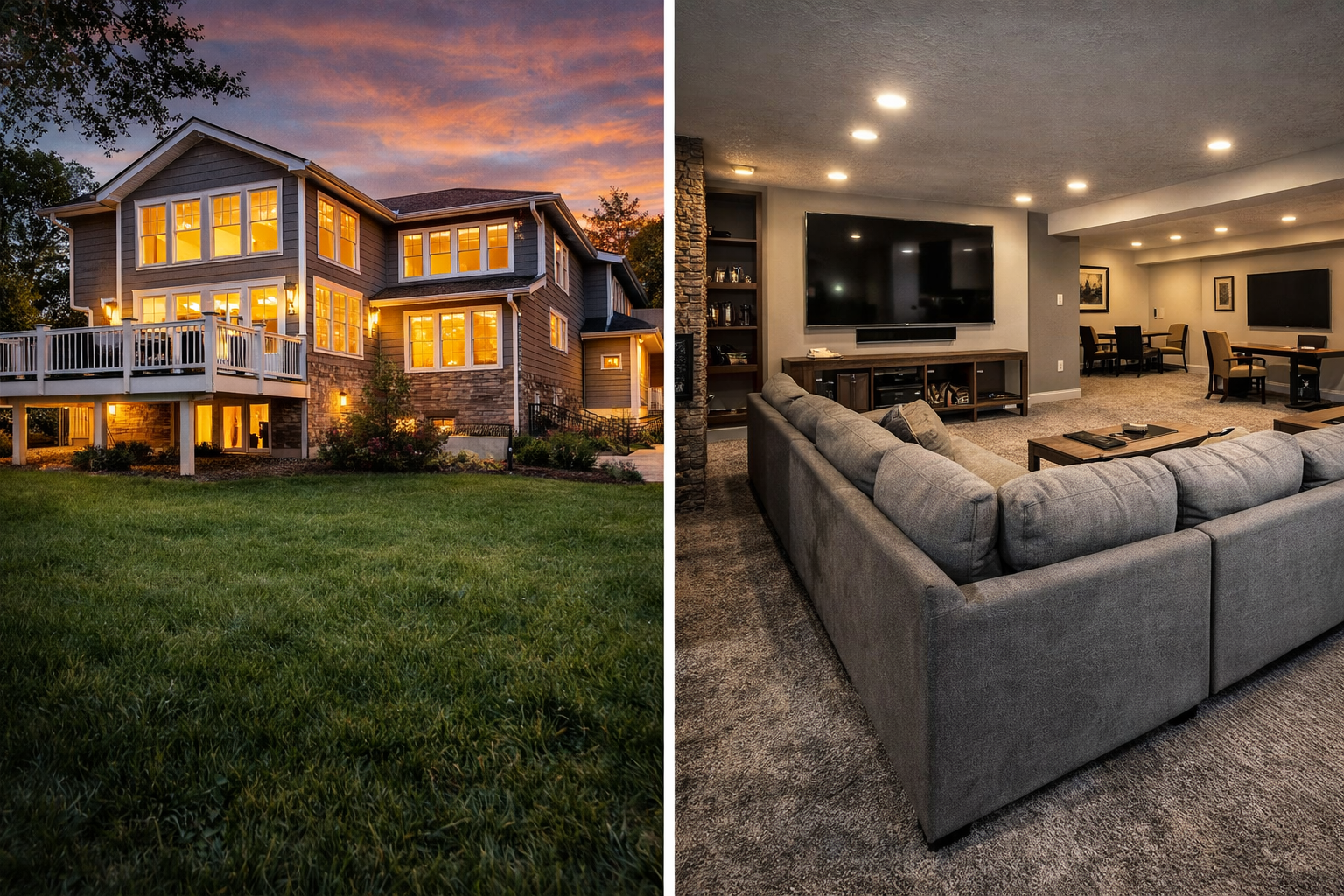
Room-by-room renovation works differently. Instead of transforming the property at once, you prioritize one space at a time. Many homeowners begin with kitchen remodeling or bathroom remodeling, then later move into other zones such as a basement remodeling project or even home additions if more square footage is eventually needed.
Both approaches can work. The difference is that one is managed as a complete strategy, while the other is built in phases.
When Full Home Remodeling Makes More Sense
A full home remodeling approach is often the better fit when several parts of the house feel outdated at the same time. If the kitchen lacks flow, the bathrooms feel dated, the finishes are inconsistent, and the layout no longer supports daily life, renovating everything under one coordinated scope can make the project stronger overall.
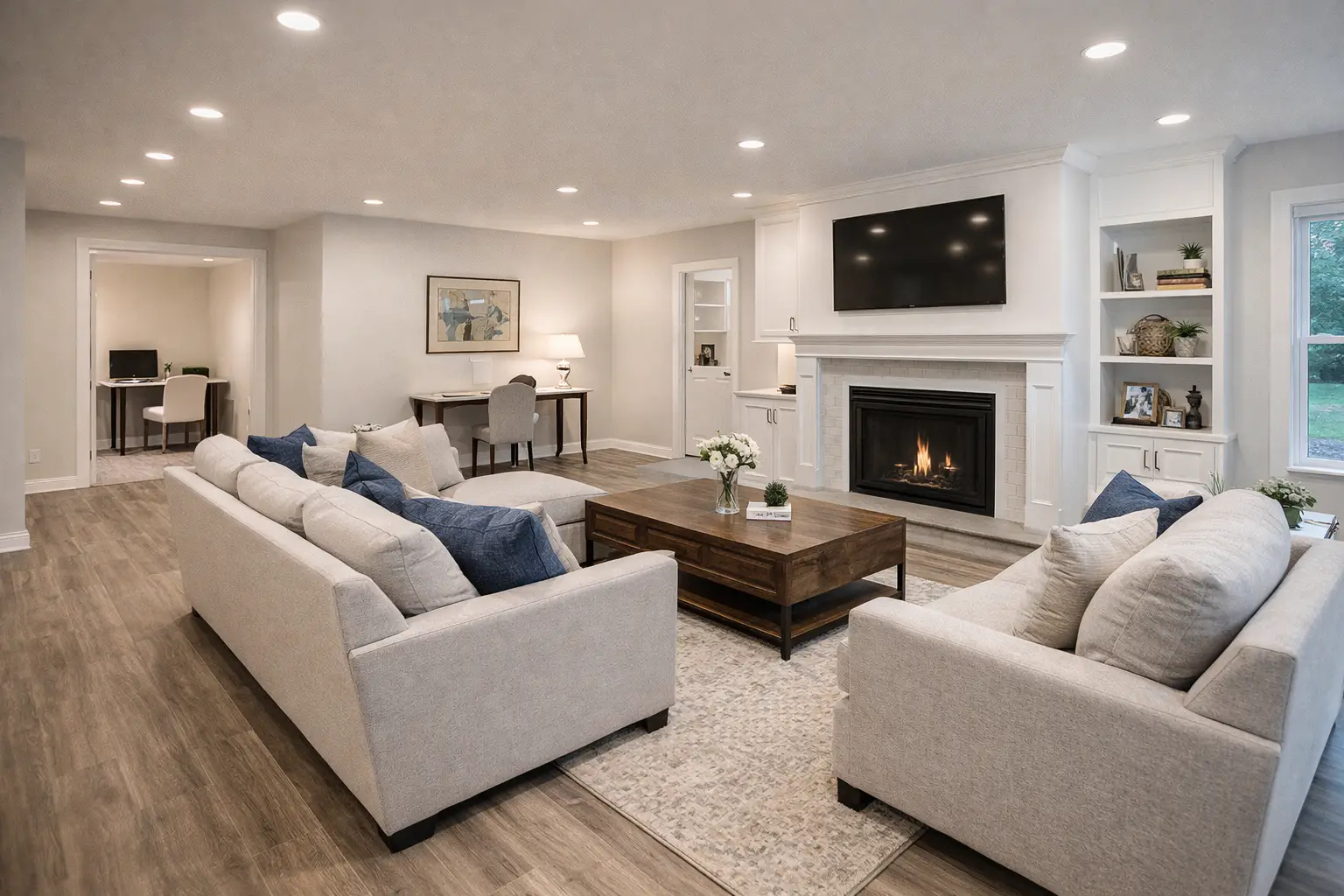
This approach is especially effective when your renovation goals are connected. For example, if the kitchen opens into the living area, if flooring must run consistently through multiple rooms, or if lighting and trim updates need to feel intentional across the home, it is usually smarter to plan those improvements together rather than piecing them together over several years.
A whole-home remodel also makes sense when homeowners want one accountable team overseeing design decisions, construction sequencing, quality control, and finish continuity from start to finish.
When Room-by-Room Renovation Is the Better Option
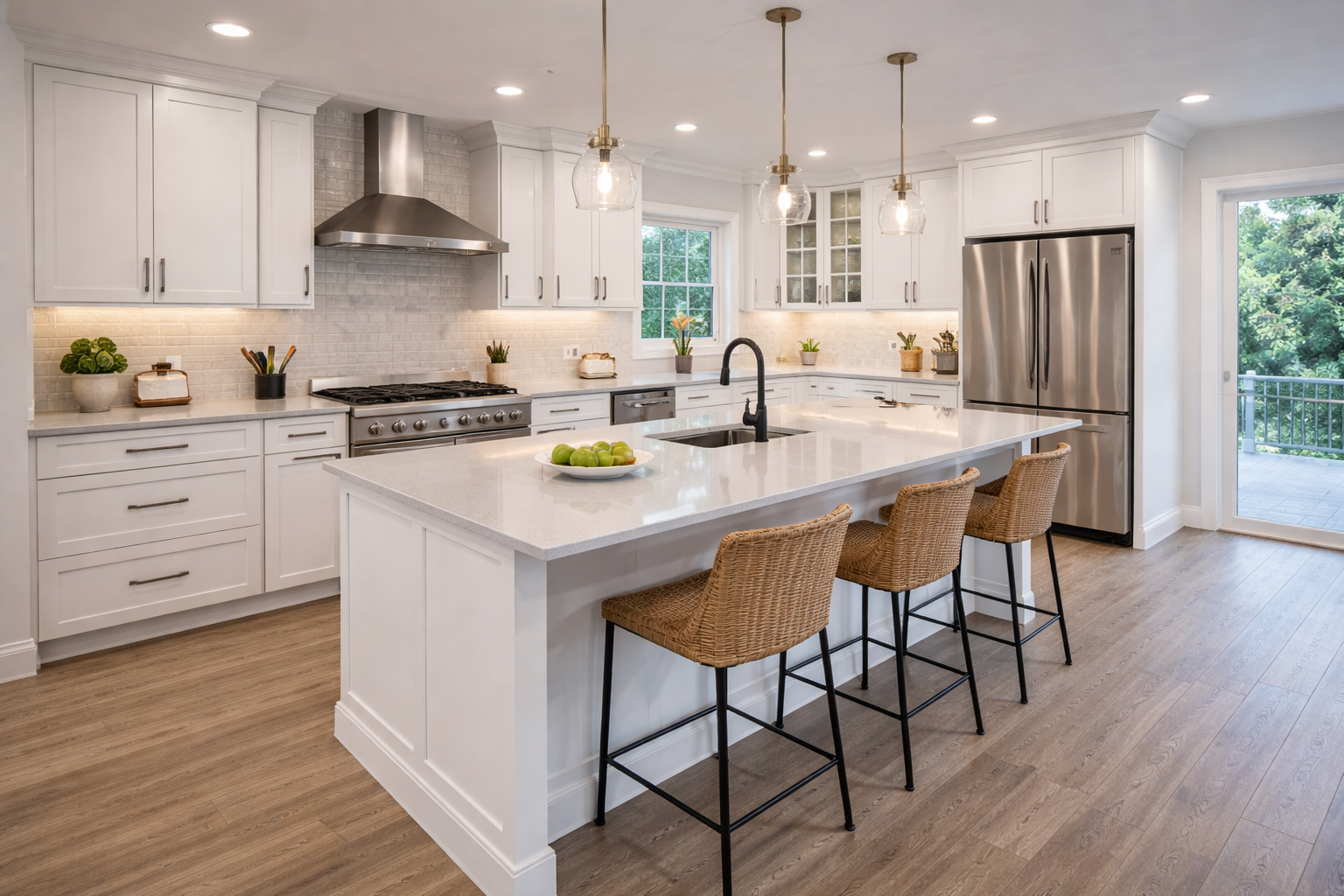
Phased renovation can be the right move when one part of the house is clearly causing the biggest problem. In many homes, the kitchen becomes the first priority because it affects daily routines more than any other room. In other cases, the best first step is bathroom remodeling to improve comfort, privacy, and function.
A room-by-room strategy can also work well when the home is still generally livable, but one unfinished or underused area is limiting how the house functions. For example, a family may decide to start with basement remodeling to create an office, gym, media room, or guest area before investing in larger structural updates.
This strategy is also practical for homeowners who want to spread spending over time and improve the home in stages instead of committing to a single larger construction cycle.
Budget Efficiency: What Many Homeowners Overlook
One of the most common assumptions is that room-by-room renovation is automatically the less expensive path. In reality, phasing a project may reduce the upfront financial burden, but it does not always reduce the total cost of renovation over time.
Repeated phases can lead to repeated mobilization, repeated prep work, multiple inspection cycles, and finish-matching challenges later. A kitchen renovation completed this year may need to be visually reconnected to a living-area renovation next year. A bathroom upgrade may influence flooring, paint, trim, or lighting decisions in adjacent areas later.
By contrast, a full home remodeling plan can improve efficiency because material selections, layout changes, construction sequencing, and finish coordination are considered together from the beginning. That often results in a cleaner build process and fewer avoidable compromises.
Design Consistency and Resale Appeal
One of the strongest advantages of whole-home renovation is consistency. When cabinetry styles, flooring, trim details, paint palettes, lighting selections, and transitions are all planned as part of one vision, the home feels more elevated and more complete.
That does not mean phased work cannot look excellent. It can. But the best phased remodeling projects still follow a master plan. If you start with kitchen remodeling, continue with bathroom remodeling, and later add basement remodeling, the design language should still feel intentional across the whole property.
Without that kind of planning, the home can begin to feel renovated in pieces rather than upgraded as a complete living environment.
Disruption: One Larger Project or Several Smaller Ones?
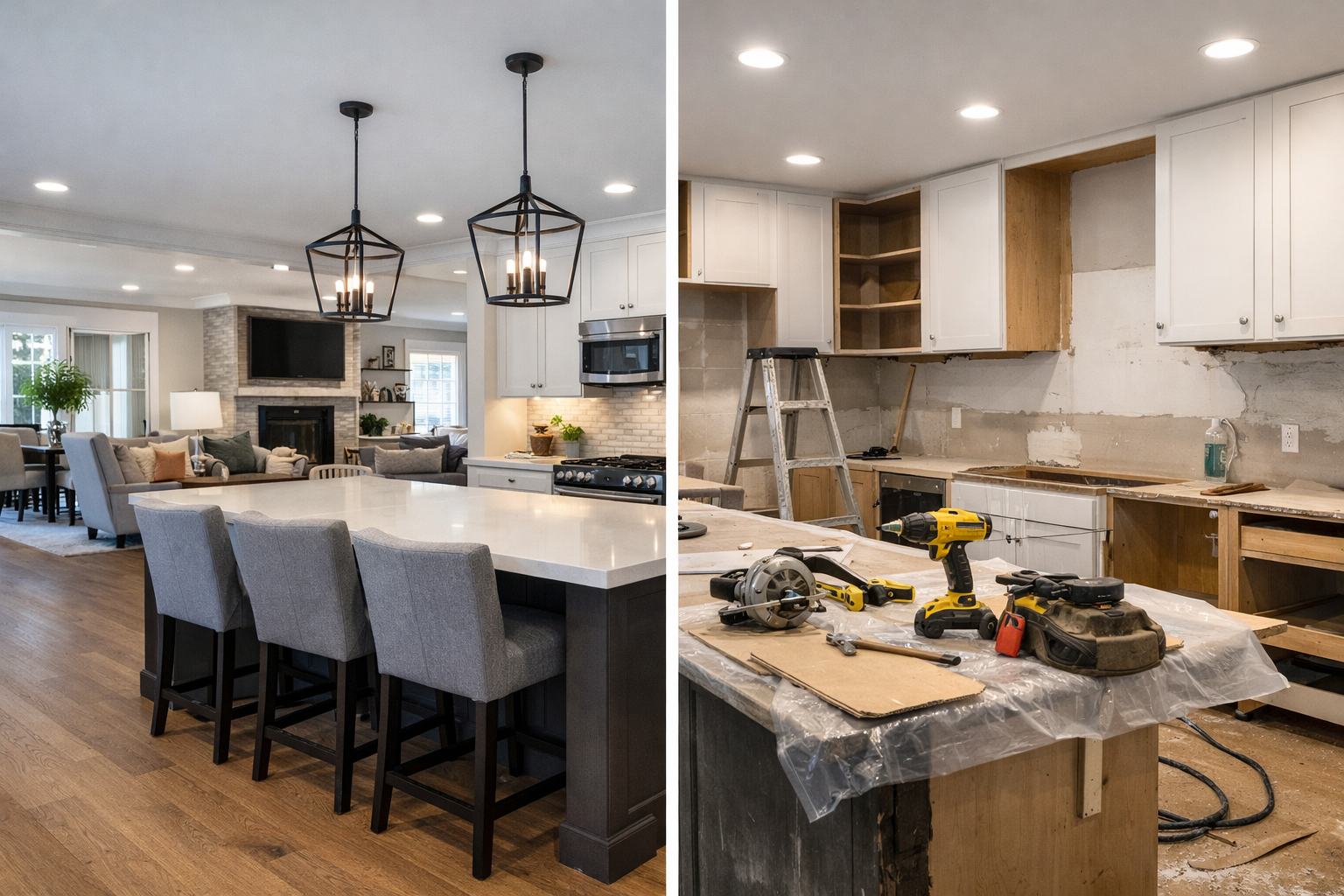
A full-house remodel is usually more intense in the short term, but it concentrates the disruption into one larger project window. There is one planning cycle, one construction schedule, and one major transition back into the finished home.
A phased strategy may feel easier emotionally because each job is smaller, but homeowners often underestimate how disruptive repeated renovations can become. Living through one kitchen project, then one bathroom project, then another round of work in the basement or other main areas can stretch inconvenience across a much longer period.
This is where working with a licensed general contractor in Maryland becomes especially important. Strong coordination helps reduce delays, avoid sequencing mistakes, and maintain quality whether the project is completed all at once or in carefully managed stages.
Which Strategy Makes More Sense for Maryland Homeowners?
The best choice depends on the actual condition of the home and the scope of your goals.
If several parts of the home feel outdated, disconnected, or inefficient, a full home remodeling strategy may deliver the strongest long-term result.
If one area is clearly the biggest problem, a focused renovation may be the more practical starting point. That often means beginning with kitchen remodeling, bathroom remodeling, or basement remodeling depending on the home’s layout and the family’s needs.
And if the deeper issue is not finish quality but lack of space itself, then the smarter next step may not be another interior renovation at all, but one of the available home additions options.
The Real Success Factor: Planning and Coordination
Whether you remodel the entire house at once or improve it in phases, the result depends on the same fundamentals: clear scope, smart sequencing, finish consistency, budget alignment, permit readiness, and strong quality control.
That is why the contractor matters as much as the concept. An experienced general contractor in Maryland helps connect design intent, construction planning, trade management, and final delivery into one accountable process.
When that structure is missing, even a promising renovation can become fragmented, delayed, or visually inconsistent.
Ready to Decide Between a Full Remodel and a Phased Renovation?
If you are trying to determine whether your home needs a complete transformation or a more strategic room-by-room approach, the best next step is a professional evaluation of your layout, priorities, and long-term goals.
Explore the service pages most relevant to your next move: