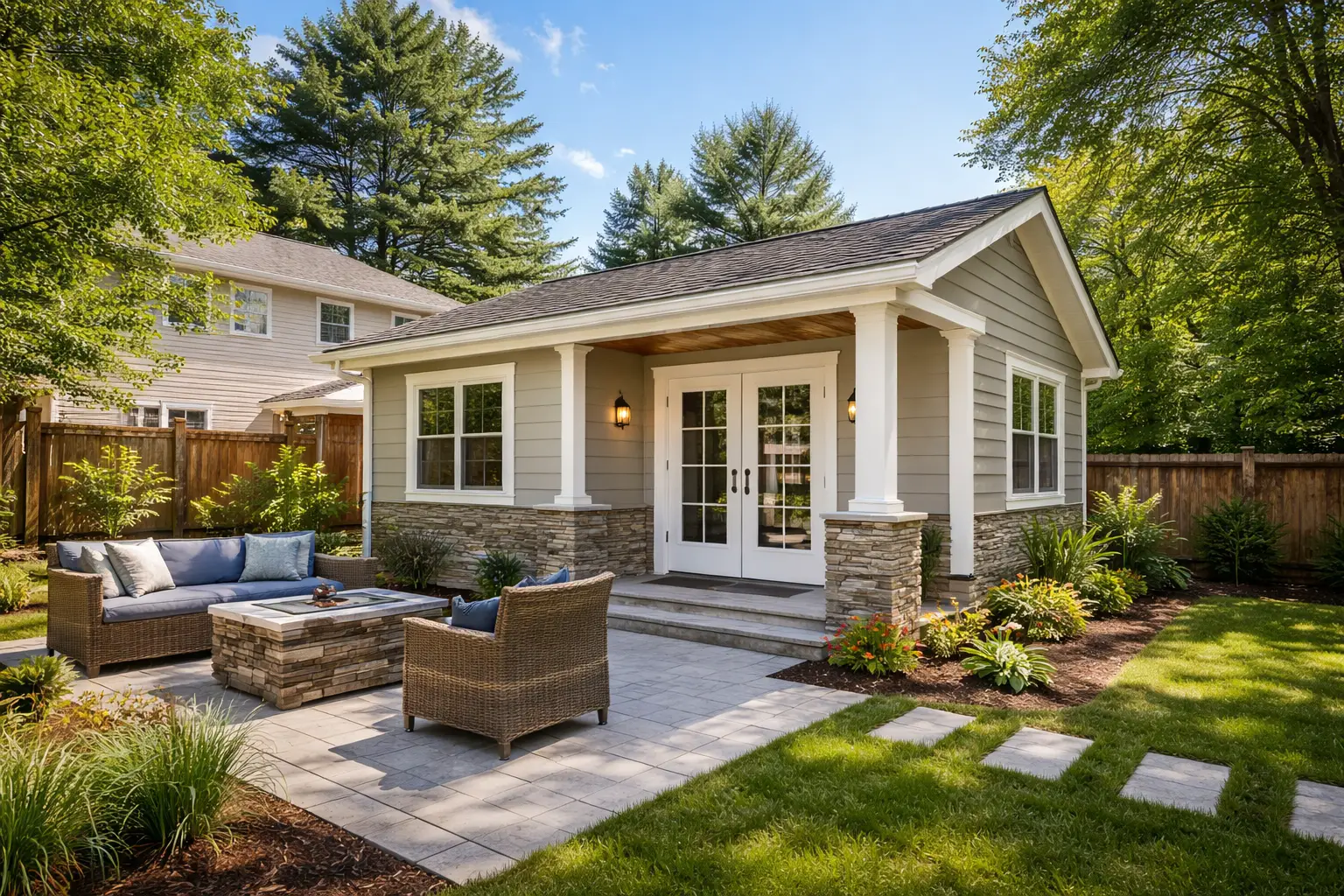
What Is an ADU (and Why Homeowners Want One Now)?
An Accessory Dwelling Unit (ADU) is a complete, independent living unit on the same lot as a single-family home—either inside the house, attached as an addition, or in a detached structure—with cooking, sleeping, and sanitation.
In Montgomery County, ADUs (also called “accessory apartments”) shifted to a licensing-based process instead of the older special exception path—making it a more accessible option for homeowners planning legal second units.
Why ADU-Style Home Additions Are the #1 “Flexible Space” Upgrade
A traditional addition adds square footage. An ADU adds square footage + purpose.
1) Multi-generational living without chaos
An ADU gives parents, adult children, or long-term guests privacy and independence while staying close.
2) Rental income potential
Many homeowners plan an ADU as a long-term asset—rent now, family later, or vice-versa.
3) Work-from-home advantage
If your household needs separation for focus, calls, and quiet, ADU layouts solve it better than trying to “make it work” in the main house.
4) Resale differentiation
In markets with high competition, a legal secondary unit is a meaningful differentiator—especially when it’s built cleanly and integrated with the home’s design.
The 3 Most Popular ADU / In-Law Suite Formats in Maryland
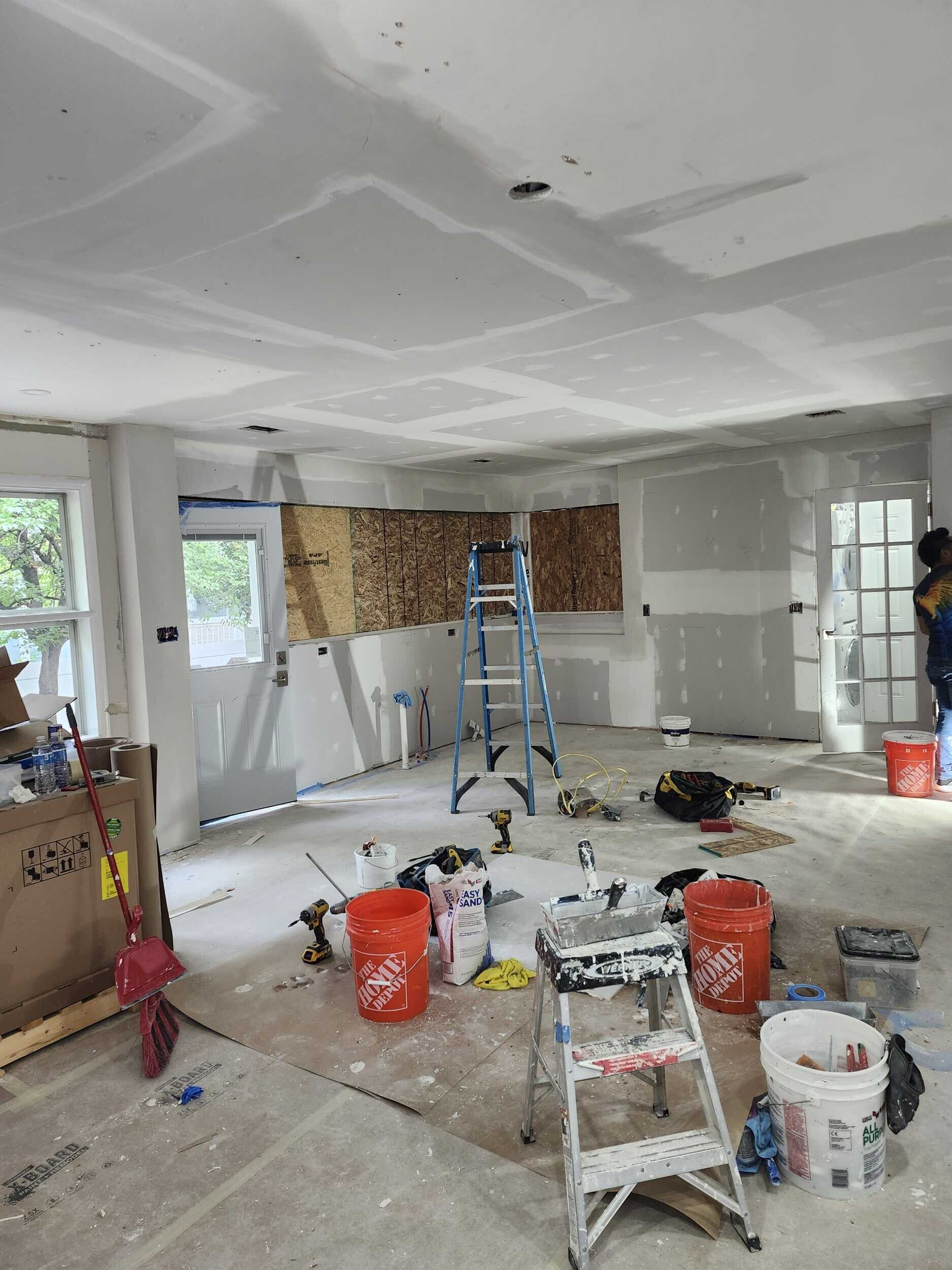
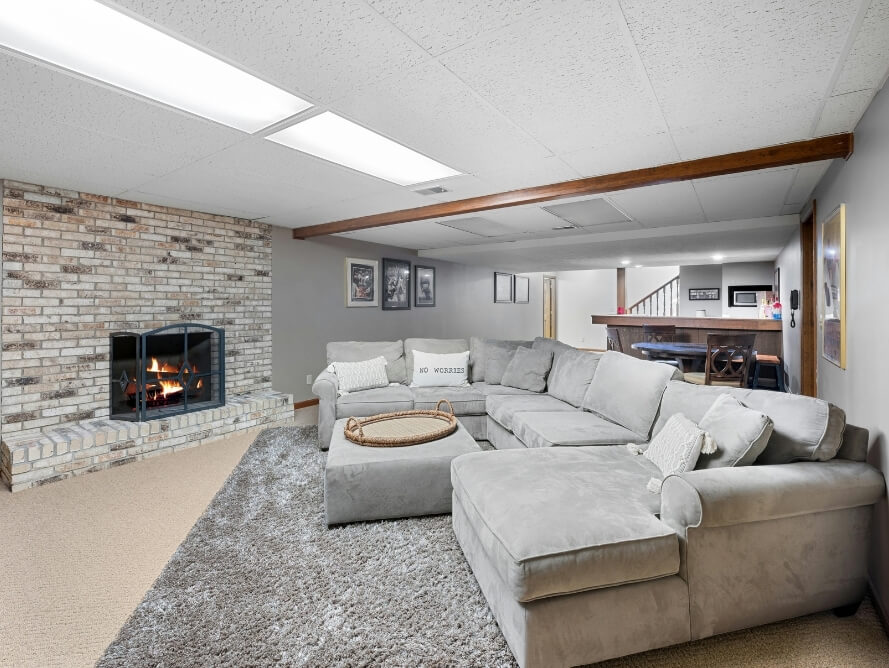
1) Basement conversion ADU
This is one of the fastest paths when the basement has good layout potential.
If you’re considering that route, start with:
https://hcconstructionllc.com/basement-remodeling/
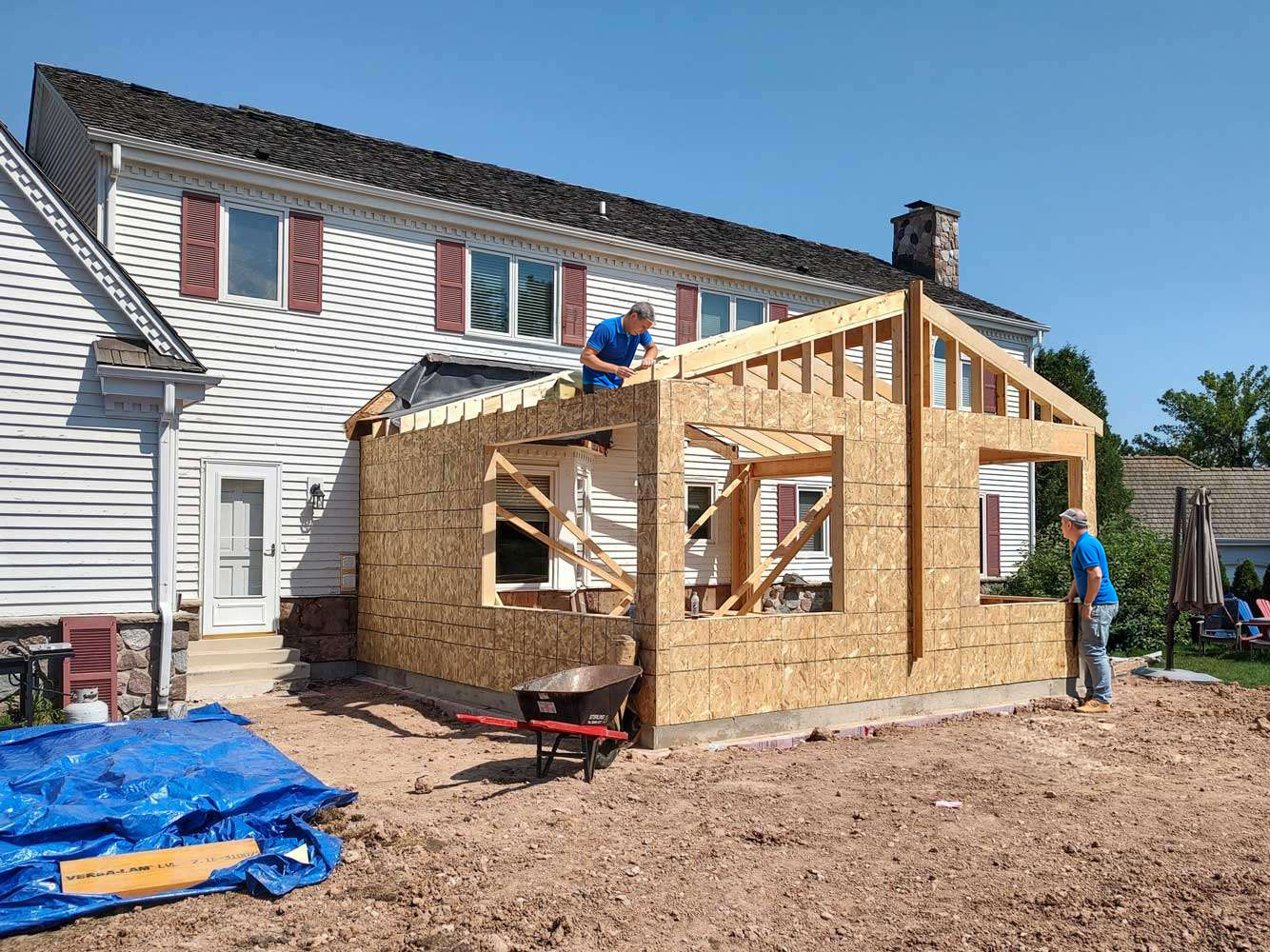
2) Attached addition (true in-law suite)
An addition that includes bedroom + bath (and optionally kitchenette) is the best choice when the goal is family living, aging-in-place, or long-term use.
Explore additions here:
https://hcconstructionllc.com/home-additions/
3) Detached backyard ADU
Detached units can create strong privacy, but require more planning and site coordination. Montgomery Planning outlines size and setback-style constraints for detached ADUs in their guidance.
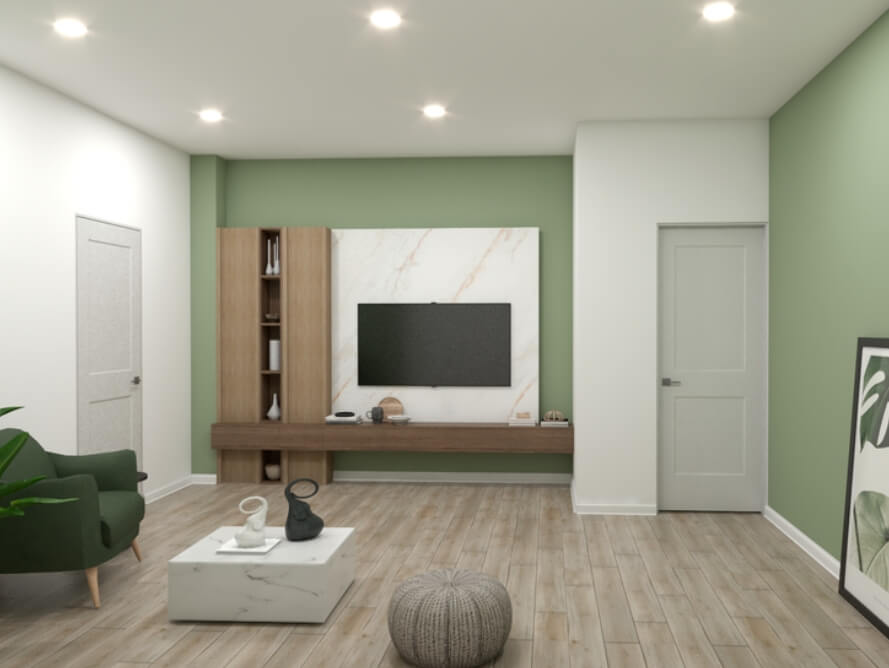
What Makes an ADU Feel Premium (Not “Converted Storage”)
If you want this to rank and convert leads, you need to educate homeowners on what separates a real ADU from a “cheap conversion.”
A high-performing ADU usually includes:
separate entry strategy (privacy and daily flow)
kitchenette planning (simple, efficient, compliant)
smart sound separation (layout + insulation choices)
natural light strategy (even small changes matter)
purpose-built storage (the difference between “livable” and “temporary”)
This is where a licensed general contractor adds real value—scope coordination, correct sequencing, and professional execution:
https://hcconstructionllc.com/general-contractor-maryland/
What Homeowners Should Know About ADU Approval
Without getting lost in legal details, here’s the key:
Maryland’s statewide ADU policy (HB 1466) supports ADUs and sets a timeline for local implementation by Oct 1, 2026.
In Montgomery County, ADUs involve a licensing workflow (DHCA) and there are county guidelines describing how ADUs can be created and the steps involved.
If a homeowner wants an ADU that can be used confidently long-term (and doesn’t create resale issues later), the project must be handled professionally from planning through final execution.
The Smart “ADU Decision” Homeowners Should Make First
Before choosing finishes, ask:
“Is this ADU for income, family, or future flexibility?”
That one answer dictates:
layout priorities
privacy requirements
whether a kitchenette is needed
how to treat entrances and parking considerations
whether basement vs addition vs detached unit makes most sense
And it’s exactly the type of planning that converts readers into real leads because it shows expertise—not generic remodeling talk.
Ready to Build an ADU or In-Law Suite Addition?
Start with the service that matches your path:
Home Additions: https://hcconstructionllc.com/home-additions/
Basement ADU conversion: https://hcconstructionllc.com/basement-remodeling/
Full project coordination: https://hcconstructionllc.com/general-contractor-maryland/