Posted on Leave a comment

Remodeling Before Selling in Maryland: Which Upgrades Help Most?

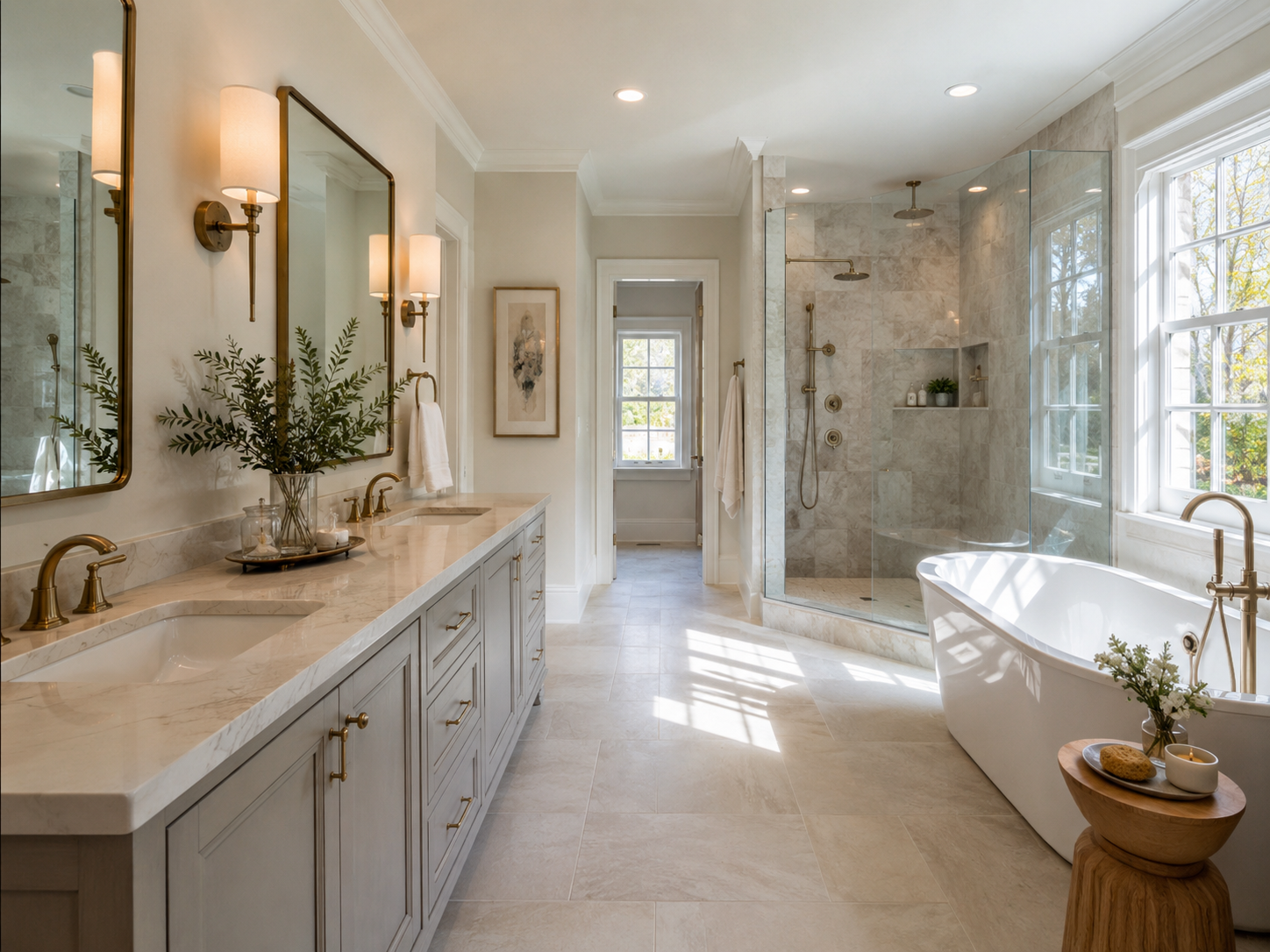
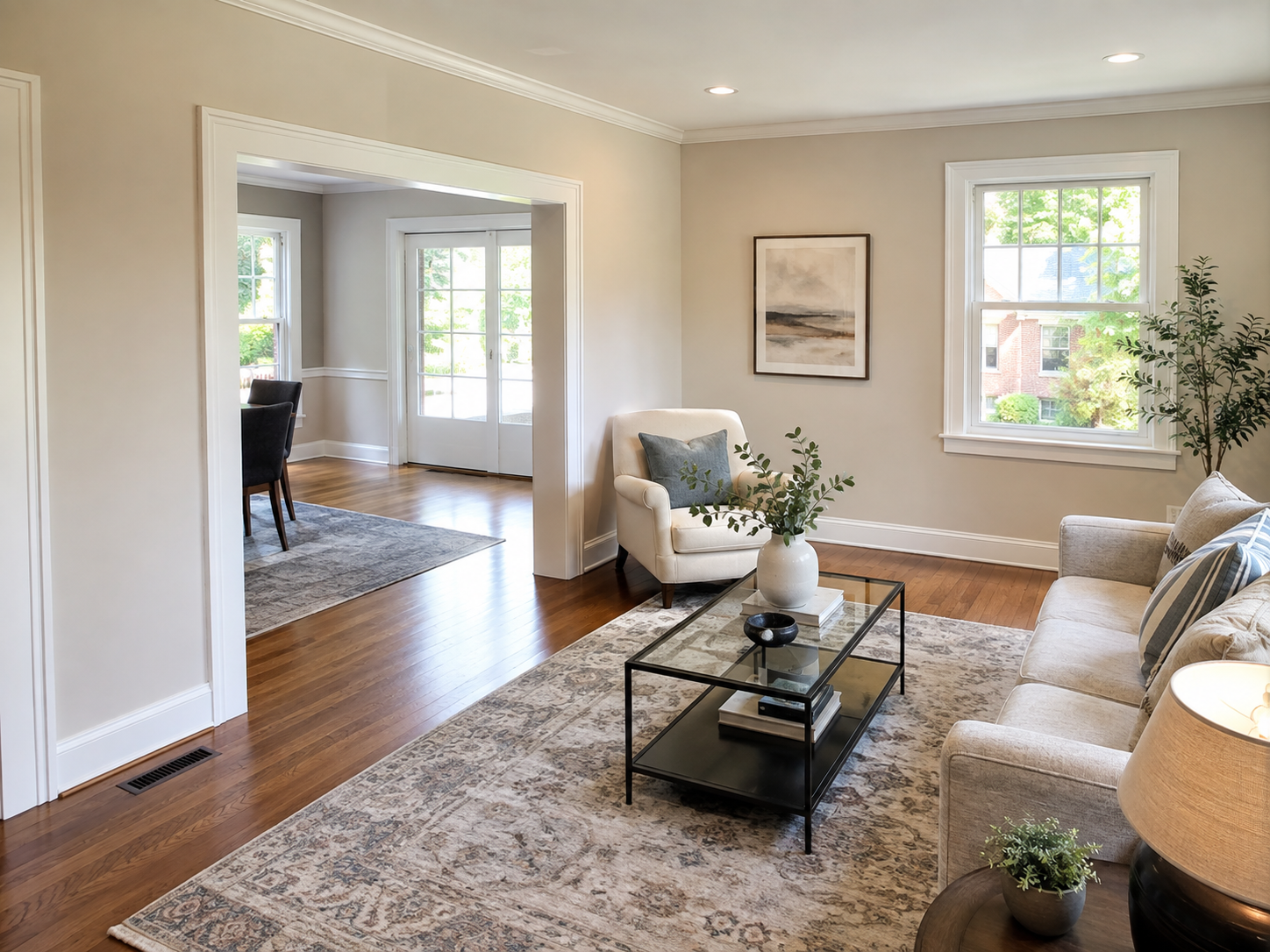
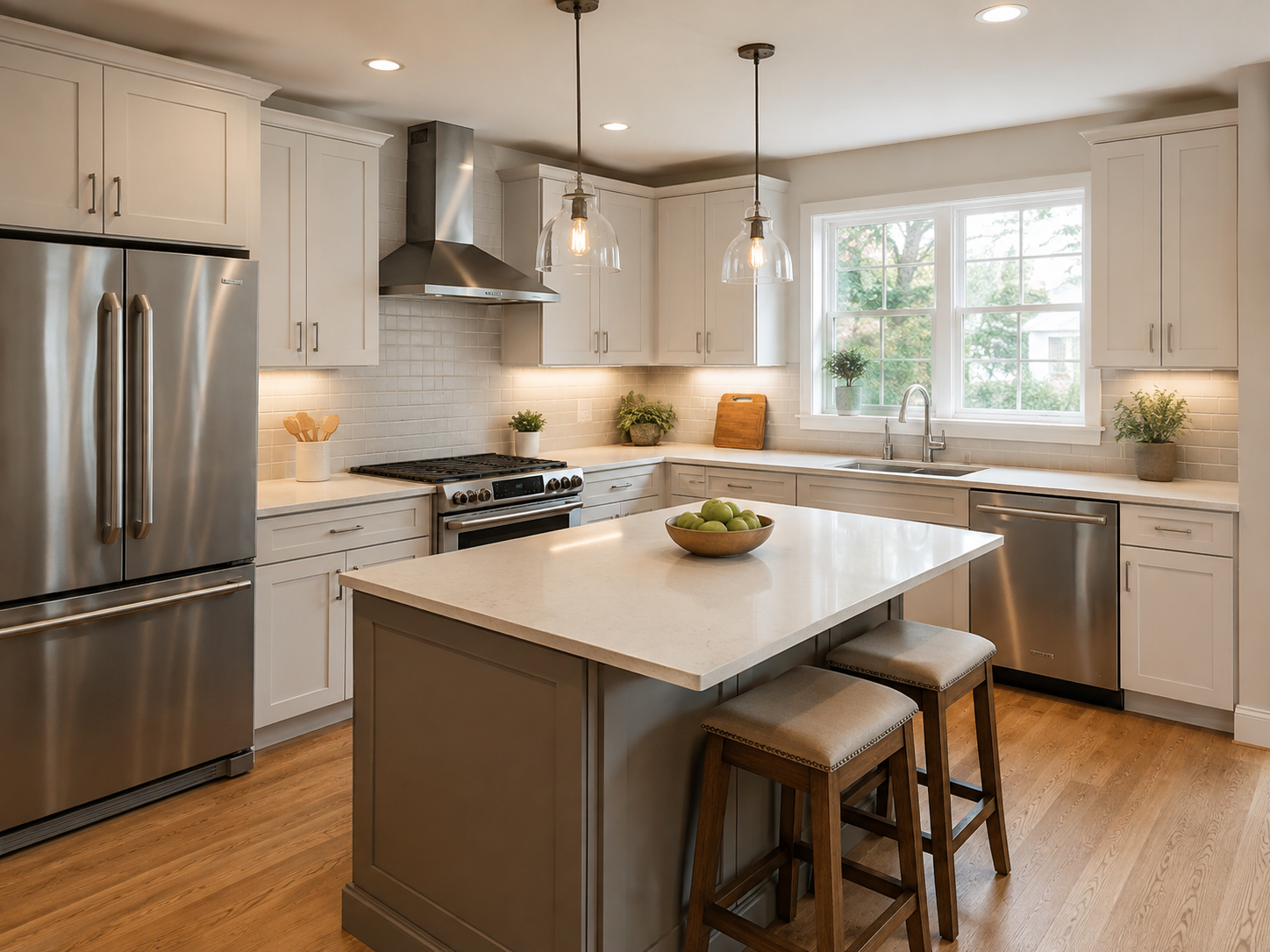
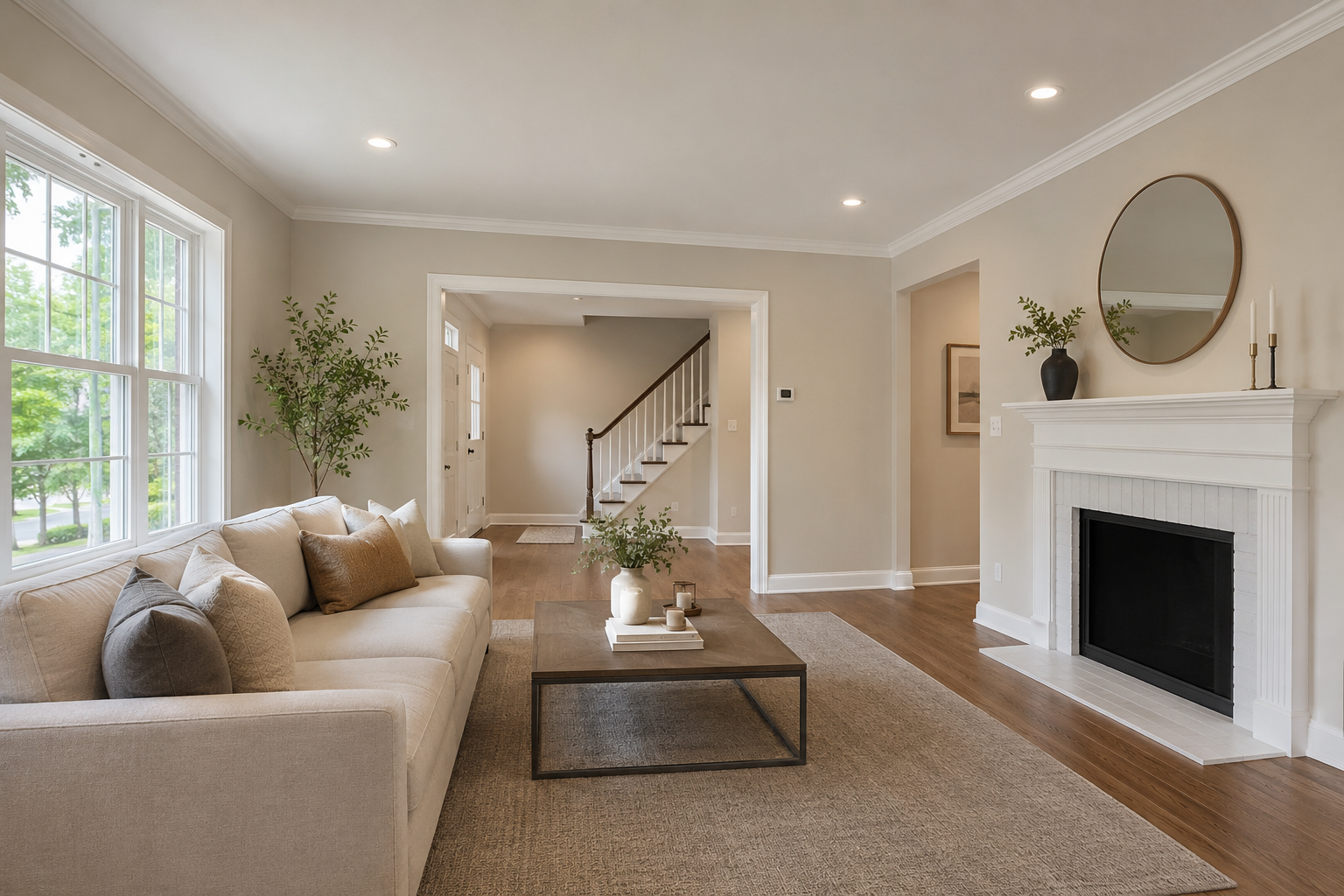
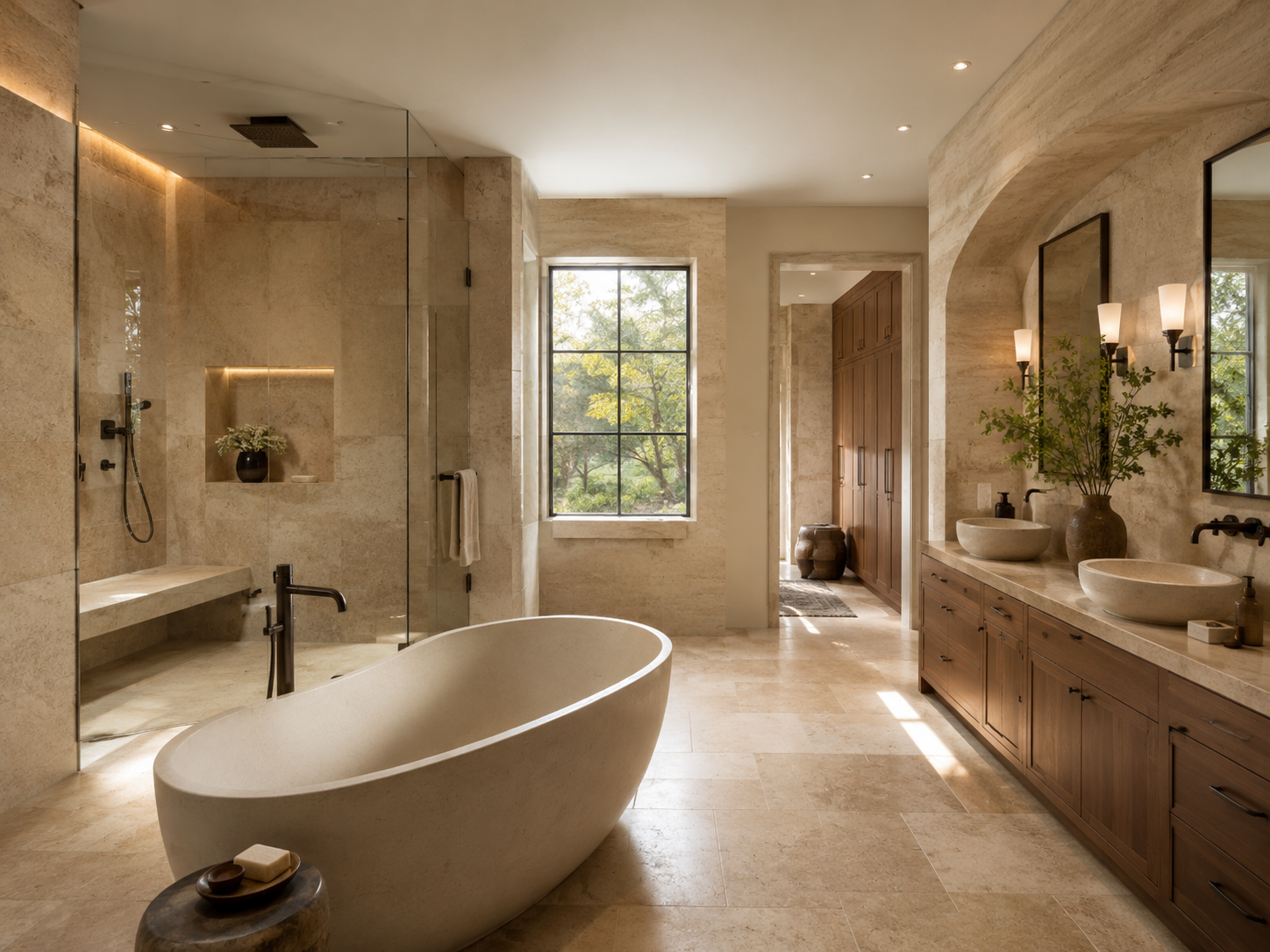
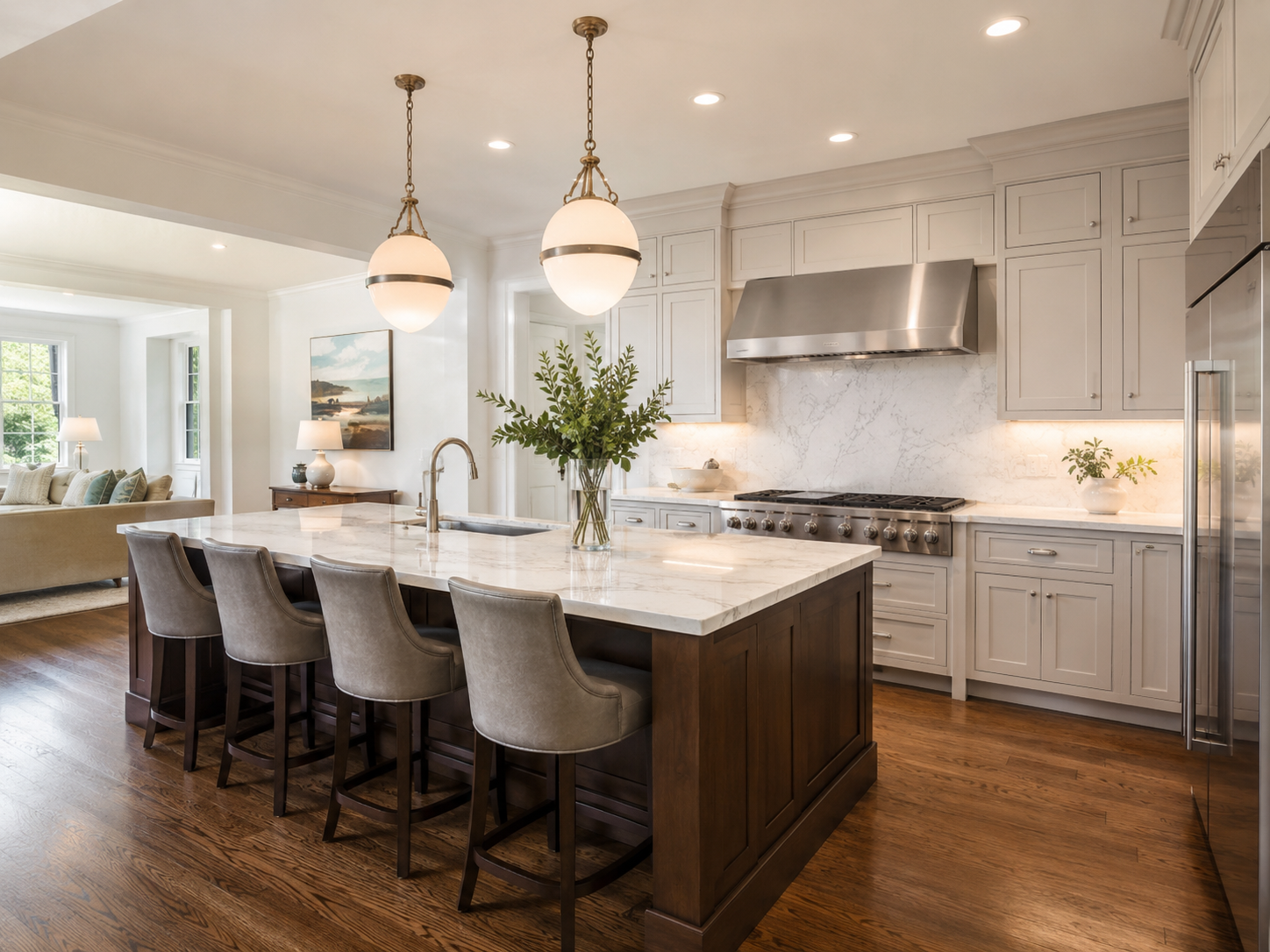
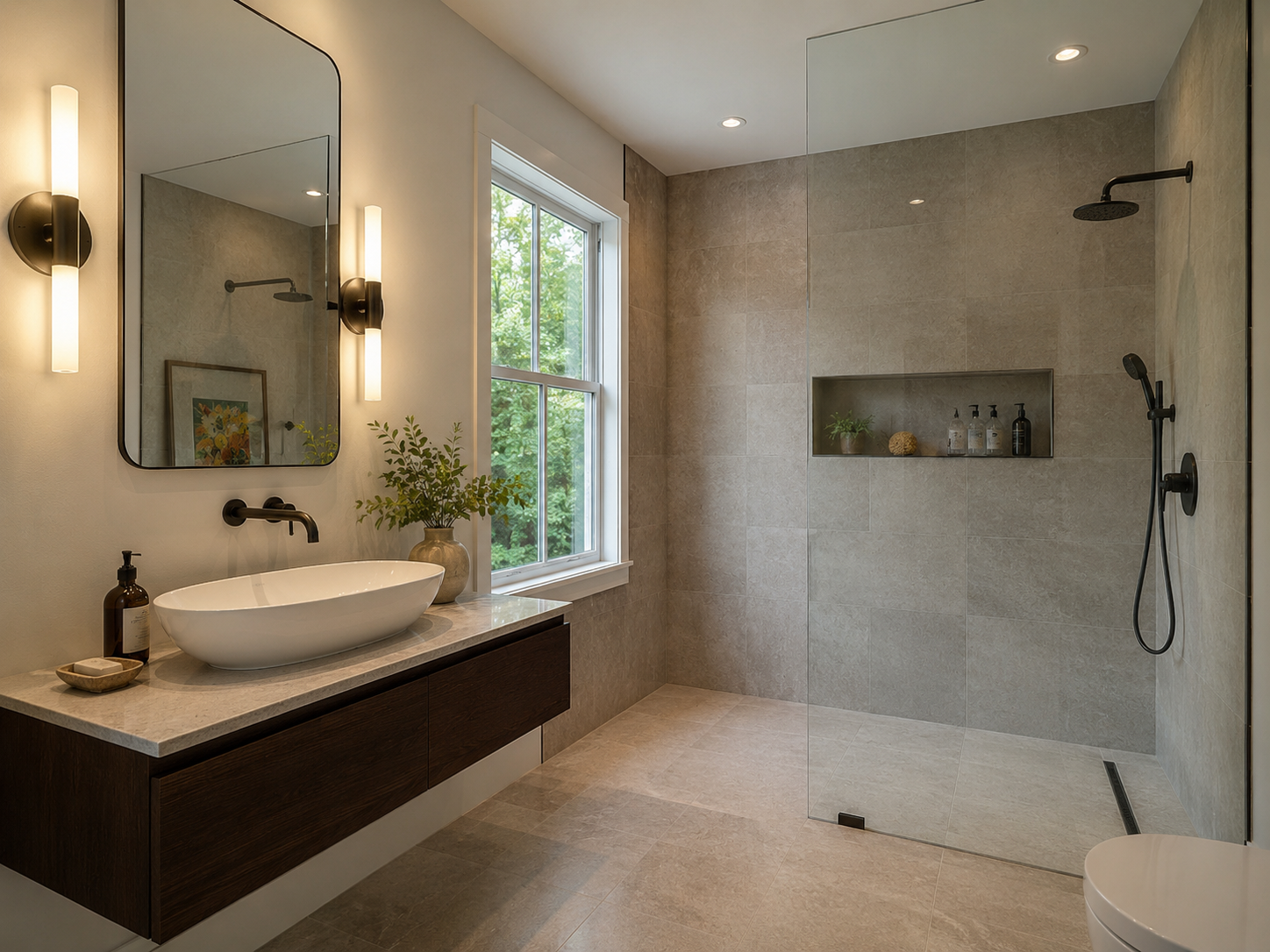
Remodeling before selling in Maryland, showing a renovated kitchen and updated bathroom as high-impact upgrades to attract buyers.

Remodeling Before Selling in Maryland: Which Upgrades Help Most Without Over-Improving?

If you are preparing to sell your home in Maryland’s 2026 housing market, one of the smartest questions you can ask is not simply whether to renovate, but which renovations will actually help the property sell faster and present better to competitive buyers.

In reality, the best pre-sale improvements are the ones that make the home feel functional, current, and move-in ready. The goal is not to overbuild; it is to reduce buyer hesitation, improve first impressions, and increase confidence in the value of the property.

Start With What Maryland Buyers Notice First

Before you think about budget or finishes, think like a buyer entering a home in Rockville, Bethesda, or Silver Spring. Most buyers respond quickly to a few core impressions:

  • Whether the kitchen looks functional and updated.

  • Whether bathrooms feel bright, clean, and well-maintained.

  • Whether the basement feels like real living space rather than storage.

  • Whether the home feels like a future “project” or an immediate sanctuary.

This is why pre-sale remodeling should be strategic. If the kitchen feels outdated and interrupts the flow of the home, Kitchen Remodeling may be your strongest move. If the bathrooms make the home feel older than it really is, Bathroom Remodeling can immediately improve buyer confidence.

Why Kitchen Updates Often Have the Strongest Visual Impact

In 2026, the kitchen remains the room that shapes the emotional reaction to a property. It influences listing photos and how buyers perceive the rest of the main level. Even if buyers plan to personalize the home later, they react negatively to a kitchen that feels dark or inefficient.

Strategic Kitchen Remodeling focusing on better lighting, updated cabinetry, and cleaner finishes can improve how the whole home is experienced. The key is that the space should feel clean and aligned with the expectations of Maryland buyers.

Why Bathrooms Improve Buyer Confidence Quickly

A worn or outdated bathroom can make buyers wonder about hidden moisture problems or deferred maintenance. On the other hand, a bright, well-finished bathroom sends a message that the home has been cared for properly.

Bathroom Remodeling is often one of the highest-value pre-sale decisions, particularly for the primary suite or the main guest bath, as these spaces shape both comfort and trust.

Unlocking Value with Basement Remodeling

In a market where usable square footage is a premium, an unfinished or dim basement can be a liability. A well-planned Basement Remodeling project turns underused areas into family rooms, home offices, or guest suites.

This expands the perceived usefulness of the home without the need for a structural expansion, providing a massive advantage in the competitive Maryland listing landscape.

When Full Home Remodeling Makes More Sense

Sometimes the problem is not one room, but a lack of visual cohesion. If the flooring, lighting, and finishes feel mismatched, a Full Home Remodeling strategy may be necessary to shift buyer perception from “this needs work” to “this is perfect.”

Avoid Over-Improving the Property

One of the most common mistakes sellers make is renovating for personal taste instead of market readiness. Focus on upgrades that make the property easier to understand and trust.

If the home’s main weakness is a true lack of square footage rather than presentation, the right solution may be Home Additions. This strategy is reserved for properties where the location is strong but the layout is physically constrained.

Execution Matters as Much as Scope

Even the right renovation can lose value if it is managed poorly. Delays or inconsistent finishes can undermine a smart remodeling decision. Working with a licensed General Contractor in Maryland ensures that the scope, timeline, and quality align with your ultimate goal: a successful sale.


Ready to Choose the Right Upgrades Before Selling?

Explore the service pages most relevant to your home’s next step:

Posted on Leave a comment

2026 Home Remodeling Trends in Maryland: Efficiency & Space

Modern Maryland home with solar panels, accessory dwelling unit, and EV charger, illustrating 2026 remodeling trends focused on efficiency, comfort, and property value.

The Future of Maryland Homes: 2026 Remodeling Trends That Maximize Value and Comfort

As we move through 2026, the Maryland housing market is witnessing a major shift. Homeowners in cities like Rockville, Bethesda, and Potomac are no longer just remodeling for aesthetics; they are remodeling for resilience, efficiency, and multi-generational functionality.

With the recent passage of the Maryland Transit & Housing Opportunity Act, there is a renewed focus on maximizing every square inch of your property. Whether you are planning to stay for a decade or list your home next season, these are the trends driving the highest ROI and satisfaction this year.

1. The Rise of “Smart” Home Additions

In 2026, the most sought-after upgrade isn’t just “more space”—it’s “flexible space.” We are seeing a surge in requests for Home Additions that serve dual purposes:

  • The ADU (Accessory Dwelling Unit): Perfect for aging parents or as a high-end rental suite.

  • The “Bump-Out” Kitchen: Adding just 50–100 square feet to create a walk-in pantry or a dedicated coffee station.

  • The Four-Season Sunroom: Expanding the living area while bringing in the natural light Marylanders crave during the winter months.

2. Performance-Driven Kitchen Remodeling

The “sterile white” kitchen of the early 2020s has been replaced by Architectural Kitchens. In 2026, Kitchen Remodeling focuses on integrated, panel-ready appliances and “disappearing” storage.

Buyers are looking for “Back Kitchens” (Butler’s Pantries) where the heavy prep happens, leaving the main island clear for entertaining. From a technical standpoint, induction cooktops and energy-efficient lighting are now the standard for any high-end Maryland renovation.

3. The Bathroom as a Wellness Retreat

Bathroom design has matured into a focus on longevity and wellness. Bathroom Remodeling in 2026 prioritizes:

  • Minimalist Walk-in Showers: Zero-threshold entries that are both stylish and accessible for “aging in place.”

  • Sustainable Materials: Natural stone and matte finishes that hide wear and tear better than high-gloss surfaces.

  • Heated Elements: Radiant floor heating and towel warmers are no longer “extras”—they are expected features in Maryland’s luxury market.

4. Finishing the “Fifth Wall”: Basement Conversions

With inventory tight across the state, homeowners are looking “down” to find more value. A professional Basement Remodeling project is currently one of the fastest ways to increase a home’s appraisal value. In 2026, the trend is moving away from simple “rec rooms” and toward high-end specialized spaces like home theaters, acoustic-treated music rooms, or professional-grade home gyms.

5. Efficiency and the “Whole-Home” Approach

Perhaps the biggest trend of 2026 is Scope Consolidation. Rather than piecemeal repairs, Marylanders are opting for Full Home Remodeling. This approach allows for:

  • Unified flooring and trim throughout the house.

  • Upgraded insulation and HVAC systems during the walls-open phase.

  • Consistent electrical and smart-home integration.

Why Execution Is Your Greatest Asset

In 2026, “DIY” is giving way to “Professional Precision.” With the complexity of modern building codes and the demand for high-efficiency materials, the role of a licensed General Contractor in Maryland has never been more critical. Quality execution ensures that your investment doesn’t just look good on day one, but continues to perform for the next twenty years.


Scale Your Home’s Potential Today

Ready to bring your home into 2026? Contact H&C Construction to discuss your vision:

Posted on Leave a comment

Kitchen Remodeling vs. Bathroom Remodeling in Maryland

Comparison of kitchen remodeling and bathroom remodeling in Maryland, showing a luxury kitchen and a modern bathroom as two high-value renovation options.

Kitchen Remodeling vs. Bathroom Remodeling in Maryland: Which Upgrade Should You Prioritize First?

When homeowners start planning a renovation, one question comes up again and again: should you remodel the kitchen first or the bathroom?

Both spaces have a major impact on daily comfort, function, and resale appeal. But they solve different problems, involve different types of disruption, and create value in different ways. For some Maryland homeowners, the kitchen is the obvious first investment because it drives everyday life, storage, traffic flow, and entertaining. For others, the bathroom should come first because comfort, privacy, maintenance issues, and outdated fixtures are affecting daily routines more directly.

The right answer is not universal. It depends on how you live, which room creates the most friction right now, and how the renovation fits into your larger plan for the home. In many cases, the smartest decision is the one that improves the house strategically—not just cosmetically.

If you are deciding where to invest first, start by comparing the real role each space plays in your home.

1) Why the Kitchen Often Comes First

A kitchen remodel tends to have the biggest daily visibility. It is usually the most active room in the house, and it affects far more than cooking alone. Storage, lighting, seating, workflow, family interaction, and how open or closed the house feels often start here.

That is why many homeowners begin with kitchen remodeling. If your kitchen feels cramped, outdated, poorly lit, or inefficient, improving it can change the way the entire home functions. A strong kitchen renovation can create better circulation, more usable counter space, improved storage, and a more natural connection to dining and living areas.

This becomes even more important when the kitchen sits at the center of the floor plan. In those homes, a better kitchen does not just improve one room. It improves the rhythm of the whole house.

2) Why Bathroom Remodeling Can Be the Smarter First Move

While kitchens often dominate attention, bathrooms create a different kind of value. A dated bathroom can affect comfort every single day, especially if the layout is inefficient, ventilation is poor, storage is limited, or surfaces are worn and difficult to maintain.

For many homeowners, bathroom remodeling is the more practical priority because it solves immediate lifestyle problems faster. A better bathroom can improve privacy, accessibility, moisture resistance, lighting, and everyday convenience. In primary suites, it can also change how the home feels at a much more personal level.

If the current bathroom feels too small, too old, or too difficult to use comfortably, this may be the renovation that delivers the strongest quality-of-life improvement first.

3) Which Project Creates More Daily Impact?

If you measure value by how often you experience the upgrade, kitchens usually lead. Most households use the kitchen constantly throughout the day. It is not only a cooking space, but also a gathering zone, a storage hub, and often a visual anchor for the rest of the main level.

But if the problem is not visibility, but discomfort, then the bathroom may deserve priority. A home can function with an outdated kitchen longer than it can function with a bathroom that feels cramped, deteriorated, or impractical.

This is why the first question should not be “Which room adds more value?” but rather, “Which room is causing the bigger problem in the way we live right now?”

That single distinction often makes the decision much clearer.

4) Which Renovation Feels More Disruptive?

Kitchen projects often feel more disruptive because they affect the heart of daily activity. When the kitchen is under construction, routines around meals, storage, cleanup, and movement through the house are all affected.

Bathroom remodels can also be disruptive, especially when the home has limited bathrooms. But in many cases, they are easier to isolate than kitchens, particularly if another bathroom remains available during the work.

This matters because project sequencing affects the homeowner experience just as much as design. If you want to reduce confusion, delays, and repeated trade overlap, it helps to work with a general contractor in Maryland who can manage scope, scheduling, permits, and execution under one plan.

5) Which Upgrade Supports Resale More Clearly?

Kitchens and bathrooms both matter strongly to buyers, but they do so in different ways.

A kitchen often shapes the first emotional reaction to the home. Buyers notice layout, openness, cabinetry, countertops, storage, and how connected the space feels to the rest of the house. A good kitchen can make the home feel more current, more social, and more livable.

Bathrooms influence confidence. Buyers notice whether the bathrooms feel clean, modern, durable, and comfortable. Updated bathrooms help signal that the home has been maintained well and upgraded with care.

In short, kitchens often drive “wow,” while bathrooms often reinforce trust.

That is why many Maryland homeowners ultimately renovate both—but the best first move depends on which upgrade creates the biggest improvement right now and which one aligns with the broader strategy for the property.

6) The Bigger Question: Is This a One-Room Upgrade or Part of a Larger Plan?

This is where many homeowners make the wrong call. They choose the next project in isolation without asking how it fits into the larger home.

For example, if you already know the home needs a broader transformation, it may make more sense to think in terms of full home remodeling rather than treating each room as a separate decision. A kitchen remodel done today may need to be visually reconnected later to flooring, lighting, wall changes, or adjacent living spaces. The same is true for bathrooms if a future layout change or whole-home finish update is likely.

In other homes, the next priority may not even be the kitchen or bathroom. If your biggest issue is flexible living space, working from home, guest accommodations, or entertainment use, then basement remodeling may create more meaningful functional value first. And if the home simply lacks enough square footage, home additions may be the more strategic path than investing heavily in a room that still leaves the house undersized.

The best renovation decisions usually come from looking at the home as a system—not as a collection of unrelated rooms.

7) Choose the Kitchen First If…

Choose kitchen remodeling first if your current kitchen:

  • feels cramped or inefficient every day
  • lacks storage or usable prep space
  • disrupts flow between rooms
  • feels outdated compared with the rest of the home
  • limits entertaining or family routines
  • would improve the visual impact of the main level immediately

If the kitchen is the center of your daily life, upgrading it first often delivers the strongest immediate transformation.

8) Choose the Bathroom First If…

Choose bathroom remodeling first if your current bathroom:

  • feels too small or hard to use
  • has poor ventilation or persistent moisture issues
  • lacks functional storage
  • feels outdated, worn, or difficult to maintain
  • affects comfort more than any other space in the home
  • needs a better shower, vanity, lighting, or layout to support daily life

If the issue is comfort, usability, and everyday friction, the bathroom may provide the better first return.

9) The Best Results Come From Sequencing, Not Guessing

The reason some remodels feel successful and others feel fragmented is not only craftsmanship. It is sequencing.

When homeowners renovate the right room first, in the right order, with the right long-term perspective, they avoid rework, design inconsistency, and budget waste. They also create smoother transitions into future projects.

That is why a renovation should not begin with finishes alone. It should begin with priorities, scope, and how the first project supports the next one. Whether you start with the kitchen, the bathroom, a basement remodeling project, a broader full home remodeling plan, or even home additions, the goal should be a more functional and more valuable home overall.

Ready to Decide What to Remodel First?

If you are choosing between a kitchen remodel and a bathroom remodel in Maryland, the smartest next step is not guessing which room feels more popular. It is evaluating which renovation solves the most important problem in your home right now—and how that investment fits into your larger remodeling roadmap.

Explore our most relevant services here:

Posted on Leave a comment

Finished Basement vs. Home Office Addition in Maryland

Comparison of a finished basement office and a home office addition in Maryland, showing two ways to create a functional workspace at home.

Finished Basement vs. Home Office Addition in Maryland: Which Upgrade Works Better for Modern Living?

For Maryland homeowners, the need for more functional space has changed. It is no longer only about adding square footage for a growing family. Today, many renovation decisions are driven by remote work, hybrid schedules, guest flexibility, privacy, storage, and the need to make the home perform better every day.

That is why one of the smartest questions homeowners can ask is this: should you invest in a basement remodeling project or build a home addition specifically designed as a home office or multi-purpose workspace?

Both options can solve the same core problem, but they do so in very different ways. One uses the structure you already have. The other creates new above-grade square footage. One may be more budget-efficient. The other may feel more premium, visible, and integrated into the main living environment.

The right choice depends on what kind of space you need, how private it must be, how often it will be used, and whether your long-term priority is flexibility, resale appeal, or true expansion.

Why This Decision Matters More Than Ever

The home office is no longer a luxury feature for a small percentage of homeowners. It has become a practical part of modern living. Even for families that do not work remotely full time, there is still growing demand for spaces that support focused work, school routines, video calls, quiet reading, admin tasks, and flexible guest use.

This is why the decision should not be reduced to “which option gives me another room?” The better question is which upgrade creates the most useful kind of room for your lifestyle.

For some households, finishing the basement is the best answer because it creates a quieter separation from the main floor. For others, a dedicated office addition feels more natural because it brings natural light, easier daily access, and stronger long-term design value.

When a Finished Basement Makes More Sense

A basement remodeling project is often the stronger choice when the home already has underused lower-level space with good potential for conversion.

This approach is ideal when you need:

  • a quiet workspace separated from the busiest parts of the house
  • a flexible area that can also serve as a guest zone, gym, lounge, or media room
  • more function without expanding the home’s exterior footprint
  • a renovation that builds on existing structural space rather than starting from scratch

A basement office can work especially well for remote professionals who need fewer interruptions during the day. It can also be a smart choice when the goal is not just one office, but a multi-use lower level that supports work, relaxation, and future adaptability at the same time.

The biggest advantage is versatility. A basement is rarely limited to one purpose. With the right layout, lighting, storage, and finish strategy, it can support a home office now and still function as additional living space later.

If that lower level also needs a bathroom or more comfort for guests, it can naturally connect with future bathroom remodeling decisions as part of a broader lower-level upgrade.

When a Home Office Addition Is the Better Investment

A home addition is often the better move when the house truly lacks enough above-grade space and the new office needs to feel fully integrated into the main living environment.

This option makes more sense if you want:

  • a dedicated office with strong natural light
  • direct access from the main level without using basement stairs
  • a space that feels more premium and visible within the home
  • a long-term expansion that clearly increases the home’s usable footprint
  • a room that may later serve as a bedroom, library, studio, or private suite component

A home office addition tends to feel more intentional because it is designed from the ground up for that purpose. It can be placed exactly where it supports your floor plan best. It may also create a stronger emotional impression because above-grade square footage typically feels more connected to the core living experience of the home.

If your current main floor already feels tight, this route may be much more effective than finishing the basement, because it solves both the need for an office and the bigger issue of limited usable space.

Privacy, Noise, and Daily Function

One of the biggest differences between these two options is how they affect concentration and privacy.

A basement office often wins on separation. It physically removes the workspace from kitchen traffic, TV noise, front-door activity, and the constant flow of daily family life. That can be a major benefit for professionals who spend hours on calls, need uninterrupted focus, or simply want a cleaner boundary between work and home.

An office addition often wins on comfort and accessibility. It usually provides easier access, more natural light, and a stronger sense of connection to the rest of the house. For homeowners who want a workspace that feels bright, polished, and easy to use throughout the day, that can matter just as much as privacy.

So the real comparison is not just basement versus addition. It is separation versus visibility, quiet versus integration, and value-focused flexibility versus premium expansion.

Cost Logic: Build Within the Home or Expand the Structure?

In many cases, basement remodeling is more cost-efficient because the structure already exists. You are working within the home’s footprint instead of extending it.

That usually means fewer exterior construction demands, less structural expansion, and a project scope that can be more manageable when the goal is to gain usable space efficiently.

A home addition often costs more because it involves structural expansion, exterior integration, framing, roofing, and a more complex building sequence. But that added complexity can also create a more premium and visible result if what you truly need is new above-grade square footage.

This is where planning matters. A homeowner who only needs a strong, private workspace may find that the basement is the smarter investment. A homeowner whose entire house feels undersized may find that an addition solves the deeper issue more effectively.

Resale and Long-Term Flexibility

From a resale perspective, both upgrades can be valuable, but they communicate value differently.

A finished basement tends to appeal through flexibility. Buyers see space they can use as a lounge, office, gym, guest retreat, media area, or secondary living zone. The more polished and functional the lower level feels, the stronger its value perception becomes.

A home office addition tends to appeal through permanence and premium square footage. Buyers usually understand an addition immediately. It feels like a visible expansion of the home rather than a conversion of existing space.

That said, the best resale result usually comes from fit. If your neighborhood and house layout support an addition well, that may be the stronger long-term move. If your basement has excellent potential and the main home already functions well above grade, then finishing the basement may create more practical value without overextending the project.

If the bigger issue is that multiple areas of the house need rethinking at the same time, the smarter path may be full home remodeling rather than evaluating one isolated room decision at a time.

Which Option Is Better for Modern Living in Maryland?

Choose basement remodeling first if your priority is flexible use, privacy, and better value from the home’s existing footprint.

Choose home additions first if your priority is above-grade space, natural light, and a more visibly integrated expansion.

And if your office need is only one part of a much larger issue, such as outdated circulation, insufficient storage, or disconnected main living areas, it may be worth reviewing whether kitchen remodeling or a broader full home remodeling strategy would solve more than one problem at once.

This is why the best renovation decisions are rarely made by comparing rooms alone. The right decision comes from understanding how the entire home is used.

The Real Success Factor: Planning, Sequencing, and Execution

Whether you choose a basement office or an addition, the success of the project depends on planning. Layout, lighting, comfort, electrical needs, storage, acoustics, finish quality, and long-term adaptability all matter.

That is where working with a general contractor in Maryland becomes critical. The best results come from clear scope definition, smart sequencing, clean trade coordination, and a finish standard that makes the new space feel intentional rather than improvised.

Without that structure, even a good concept can turn into a disconnected project that underperforms in daily life.

Ready to Choose the Right Office Upgrade?

If you are deciding between a finished basement and a home office addition in Maryland, the next step is a professional evaluation of your layout, priorities, and long-term goals.

Explore the most relevant service pages here:


Posted on Leave a comment

Full Home Remodeling vs. Room-by-Room Renovation in Maryland: Which Approach Makes More Sense?

Full home remodeling vs. room-by-room renovation in Maryland, featuring a completed open-concept interior next to a kitchen remodel in progress.

Full Home Remodeling vs. Room-by-Room Renovation in Maryland: Which Approach Makes More Sense?

If your home needs major updates, the real question is not only what to renovate, but how to renovate it. Should you move forward with a full home remodeling project under one coordinated plan, or improve the house gradually with targeted upgrades over time?

For many Maryland homeowners, this decision affects more than budget. It influences disruption, scheduling, design consistency, trade coordination, and long-term resale appeal. A phased project can make sense in some situations, but in others, a whole-home strategy delivers a cleaner result and a more efficient renovation process.

If you are evaluating both options, the smartest approach is to think beyond short-term spending and focus on how the renovation will function as a complete investment in your property.

What Is the Difference Between Full Home Remodeling and Room-by-Room Renovation?

A full home remodel usually involves updating multiple key areas of the home under one master plan. That may include the kitchen, bathrooms, flooring, lighting, layout improvements, storage, finishes, and in some cases structural changes. When handled by an experienced general contractor in Maryland, this approach creates a more unified construction schedule and a more cohesive final result.

Room-by-room renovation works differently. Instead of transforming the property at once, you prioritize one space at a time. Many homeowners begin with kitchen remodeling or bathroom remodeling, then later move into other zones such as a basement remodeling project or even home additions if more square footage is eventually needed.

Both approaches can work. The difference is that one is managed as a complete strategy, while the other is built in phases.

When Full Home Remodeling Makes More Sense

A full home remodeling approach is often the better fit when several parts of the house feel outdated at the same time. If the kitchen lacks flow, the bathrooms feel dated, the finishes are inconsistent, and the layout no longer supports daily life, renovating everything under one coordinated scope can make the project stronger overall.

This approach is especially effective when your renovation goals are connected. For example, if the kitchen opens into the living area, if flooring must run consistently through multiple rooms, or if lighting and trim updates need to feel intentional across the home, it is usually smarter to plan those improvements together rather than piecing them together over several years.

A whole-home remodel also makes sense when homeowners want one accountable team overseeing design decisions, construction sequencing, quality control, and finish continuity from start to finish.

When Room-by-Room Renovation Is the Better Option

Phased renovation can be the right move when one part of the house is clearly causing the biggest problem. In many homes, the kitchen becomes the first priority because it affects daily routines more than any other room. In other cases, the best first step is bathroom remodeling to improve comfort, privacy, and function.

A room-by-room strategy can also work well when the home is still generally livable, but one unfinished or underused area is limiting how the house functions. For example, a family may decide to start with basement remodeling to create an office, gym, media room, or guest area before investing in larger structural updates.

This strategy is also practical for homeowners who want to spread spending over time and improve the home in stages instead of committing to a single larger construction cycle.

Budget Efficiency: What Many Homeowners Overlook

One of the most common assumptions is that room-by-room renovation is automatically the less expensive path. In reality, phasing a project may reduce the upfront financial burden, but it does not always reduce the total cost of renovation over time.

Repeated phases can lead to repeated mobilization, repeated prep work, multiple inspection cycles, and finish-matching challenges later. A kitchen renovation completed this year may need to be visually reconnected to a living-area renovation next year. A bathroom upgrade may influence flooring, paint, trim, or lighting decisions in adjacent areas later.

By contrast, a full home remodeling plan can improve efficiency because material selections, layout changes, construction sequencing, and finish coordination are considered together from the beginning. That often results in a cleaner build process and fewer avoidable compromises.

Design Consistency and Resale Appeal

One of the strongest advantages of whole-home renovation is consistency. When cabinetry styles, flooring, trim details, paint palettes, lighting selections, and transitions are all planned as part of one vision, the home feels more elevated and more complete.

That does not mean phased work cannot look excellent. It can. But the best phased remodeling projects still follow a master plan. If you start with kitchen remodeling, continue with bathroom remodeling, and later add basement remodeling, the design language should still feel intentional across the whole property.

Without that kind of planning, the home can begin to feel renovated in pieces rather than upgraded as a complete living environment.

Disruption: One Larger Project or Several Smaller Ones?

A full-house remodel is usually more intense in the short term, but it concentrates the disruption into one larger project window. There is one planning cycle, one construction schedule, and one major transition back into the finished home.

A phased strategy may feel easier emotionally because each job is smaller, but homeowners often underestimate how disruptive repeated renovations can become. Living through one kitchen project, then one bathroom project, then another round of work in the basement or other main areas can stretch inconvenience across a much longer period.

This is where working with a licensed general contractor in Maryland becomes especially important. Strong coordination helps reduce delays, avoid sequencing mistakes, and maintain quality whether the project is completed all at once or in carefully managed stages.

Which Strategy Makes More Sense for Maryland Homeowners?

The best choice depends on the actual condition of the home and the scope of your goals.

If several parts of the home feel outdated, disconnected, or inefficient, a full home remodeling strategy may deliver the strongest long-term result.

If one area is clearly the biggest problem, a focused renovation may be the more practical starting point. That often means beginning with kitchen remodeling, bathroom remodeling, or basement remodeling depending on the home’s layout and the family’s needs.

And if the deeper issue is not finish quality but lack of space itself, then the smarter next step may not be another interior renovation at all, but one of the available home additions options.

The Real Success Factor: Planning and Coordination

Whether you remodel the entire house at once or improve it in phases, the result depends on the same fundamentals: clear scope, smart sequencing, finish consistency, budget alignment, permit readiness, and strong quality control.

That is why the contractor matters as much as the concept. An experienced general contractor in Maryland helps connect design intent, construction planning, trade management, and final delivery into one accountable process.

When that structure is missing, even a promising renovation can become fragmented, delayed, or visually inconsistent.

Ready to Decide Between a Full Remodel and a Phased Renovation?

If you are trying to determine whether your home needs a complete transformation or a more strategic room-by-room approach, the best next step is a professional evaluation of your layout, priorities, and long-term goals.

Explore the service pages most relevant to your next move:

Posted on Leave a comment

Home Addition vs. Basement Remodel in Maryland

Comparison image of a home addition and basement remodel in Maryland, highlighting options to gain more living space, comfort, and resale value.

Home Addition vs. Basement Remodel in Maryland: Which Upgrade Adds More Space, Comfort, and Value?

If you’re running out of space, you usually face one big decision: build out (a home addition) or build down (finish/renodel the basement). Both options can transform how your home functions—but they solve different problems, come with different cost drivers, and deliver value in different ways.

This guide breaks it down clearly so Maryland homeowners can choose the upgrade that fits their lifestyle, property layout, and long-term goals.

If you want professional planning and execution from a licensed team, start here:
https://hcconstructionllc.com/home-additions/
https://hcconstructionllc.com/basement-remodeling/


1) The “Space Problem” You’re Actually Solving

Before you compare pricing, clarify what kind of space you need:

Choose a Home Addition if you need…

  • More above-grade square footage (new bedroom, larger kitchen, expanded living room)
  • Better flow (open-concept expansion, bigger gathering area)
  • A primary suite upgrade (bedroom + bath addition)
  • More natural light and direct access to yard/patio

Home Additions service:
https://hcconstructionllc.com/home-additions/

Choose a Basement Remodel if you need…

  • A flexible multi-use zone (gym + office + media)
  • A quieter workspace or guest area
  • More living space without expanding the footprint
  • A value-focused upgrade using existing structure

Basement Remodeling service:
https://hcconstructionllc.com/basement-remodeling/


2) What Typically Costs More in Maryland—and Why

A simple way to think about cost:

Home additions usually cost more because they require…

  • New foundation / structural framing
  • Exterior envelope work (roofline, siding, insulation, windows)
  • More complex engineering (tie-in to existing structure)
  • More trades working longer (HVAC, electrical, plumbing extensions)

Basement remodels can be more cost-efficient because…

  • The structure already exists
  • Exterior work is minimal
  • You can phase upgrades (finish one zone now, expand later)

That said, basement remodels can rise in cost if you need major upgrades like a bathroom build-out, significant layout changes, or extensive moisture mitigation.

If you’re considering a broader transformation, compare with:
Full Home Remodeling service:
https://hcconstructionllc.com/full-home-remodeling/


3) Timeline Reality: Which One Gets You Space Faster?

Basement remodeling (often faster)

Basement projects typically move faster because you’re working inside the existing footprint. This can reduce weather delays and exterior build complexity.

Home additions (often longer—but bigger impact)

Additions take longer because of structural tie-ins, exterior build stages, and inspections aligned to the build sequence.

Either way, the best timeline comes from clean scope + clear selections + tight coordination, which is exactly where a licensed GC protects the project.

General Contractor service:
https://hcconstructionllc.com/general-contractor-maryland/


4) Value and Resale: What Buyers “Feel” Immediately

If your goal is resale strength, think like a buyer:

Additions tend to win when they improve “core” living

  • Bigger kitchens and primary suites are instantly understood
  • Above-grade living space often feels more premium
  • Natural light and improved layout are highly visible

Kitchen Remodeling service (often paired with additions):
https://hcconstructionllc.com/kitchen-remodeling/

Bathroom Remodeling service (common in suite additions):
https://hcconstructionllc.com/bathroom-remodeling/

Basement remodels win when they add functionality buyers want

  • Media rooms, gyms, offices, guest zones
  • Flexible space that supports modern living
  • Strong value perception if it’s bright, clean, and well-finished

A basement can be a huge selling feature when it feels like a real living area—not a storage zone with drywall.


5) “Best Fit” Scenarios (Quick Decision Guide)

Pick a Home Addition if…

  • Your kitchen/living area feels cramped every day
  • You need a true bedroom expansion above grade
  • You want a primary suite upgrade with premium finishes
  • Your lot allows a safe, code-aligned expansion

Pick a Basement Remodel if…

  • You need an office, gym, media room, or guest area
  • You want a strong upgrade without changing the exterior footprint
  • You want to phase the project and control the budget
  • You want “more function” first, then expand later if needed

6) The Real Success Factor: Planning + Trade Coordination

Most remodeling disappointments come from the same root causes:

  • unclear scope
  • weak sequencing between trades
  • rushed material decisions
  • missing accountability for inspection readiness and quality control

That’s why working with a licensed general contractor matters: one accountable team managing scope, schedule, standards, and finish quality.

Learn more about working with a licensed team:
https://hcconstructionllc.com/general-contractor-maryland/


Ready to Choose the Right Upgrade?

If you’re deciding between a home addition and a basement remodel in Maryland, the next step is a professional evaluation of your layout, structural constraints, and goals.


Home Additions: https://hcconstructionllc.com/home-additions/
Basement Remodeling: https://hcconstructionllc.com/basement-remodeling/

Posted on Leave a comment

Invisible Wellness Remodeling in Maryland: Luxury Home Upgrades That Improve Comfort, Air Quality & Long-Term Value

Luxury home remodeling in Maryland featuring modern kitchen, bathroom, basement, and living space upgrades focused on comfort, air quality, lighting, and long-term value.”

Invisible Wellness Remodeling in Maryland: Luxury Home Upgrades That Improve Comfort, Air Quality & Long-Term Value

“Luxury” home upgrades in Maryland are changing. Today, the most valuable improvements are often the ones you don’t immediately see—better air quality, smarter lighting, quieter rooms, safer materials, and resilient finishes. Designers are calling this shift invisible wellness: upgrades that make the home feel calmer and healthier without looking like a “wellness project.”

If you’re planning a renovation, this is one of the smartest angles to consider—because it improves daily comfort, reduces maintenance issues, and can strengthen resale appeal in a competitive market.


What “Invisible Wellness” Means in Home Remodeling

Invisible wellness remodeling is about performance—not decoration.

It focuses on upgrades that affect how your home breathes, sounds, feels, and functions, such as:

  • Cleaner indoor air (less humidity, fewer allergens, better filtration)
  • Better lighting that reduces eye strain and improves mood
  • Quieter rooms through sound control and insulation upgrades
  • Materials that reduce odors and VOCs (volatile organic compounds)
  • Comfort upgrades that help spaces feel stable year-round

This is especially relevant in Maryland, where seasonal humidity swings can stress interiors, and busy households need durable, low-maintenance systems.


7 High-Impact “Invisible” Upgrades That Feel Like Luxury

1) Air quality upgrades that actually work

Most homes “look fine” but feel stuffy because airflow, filtration, or humidity control isn’t optimized. Improvements often include better exhaust, upgraded filtration, and targeted ventilation strategies.

If you’re doing a basement upgrade, this becomes even more important because comfort issues often start downstairs.
Related service: Basement Remodeling → https://hcconstructionllc.com/basement-remodeling/

2) Quiet remodeling

Noise is one of the biggest comfort killers—especially in open layouts or multi-level homes. Sound control can include insulation enhancements, sealing gaps, and smarter material choices.

A quiet home feels more premium—even if nothing changes visually.

3) Lighting that supports real living

Good lighting is not just “more lights.” It’s layered lighting: ambient + task + accent. A well-planned lighting upgrade makes kitchens and bathrooms feel more expensive instantly.

Related service: Kitchen Remodeling → https://hcconstructionllc.com/kitchen-remodeling/
Related service: Bathroom Remodeling → https://hcconstructionllc.com/bathroom-remodeling/

4) Safer materials (low-VOC paints, better adhesives, cleaner finishes)

This is where comfort meets longevity. Better materials reduce odors, improve indoor feel, and often perform better over time.

5) Waterproofing and durability strategy (without “overbuilding”)

The luxury approach is not panic-proofing everything—it’s protecting the right zones. Bathrooms, basements, laundry rooms, and entry areas benefit from the right surfaces and prep.

6) Comfort-driven layout improvements

Even small layout decisions can reduce stress—wider walkways, better storage zones, more functional transitions.

If you want to tie multiple improvements together across the home, this is where a licensed contractor matters.

Related service: General Contractor → https://hcconstructionllc.com/general-contractor-maryland/

7) Smart upgrades that don’t feel “techy”

Smart controls (lighting, ventilation timers, quiet fans, sensors) can be integrated in a way that feels invisible—no complicated dashboards required.


Where Invisible Wellness Matters Most in Your Home

Kitchens

Kitchens are high-use zones with heat, moisture, odors, and constant traffic—so performance upgrades feel immediate.

Related service: https://hcconstructionllc.com/kitchen-remodeling/

Bathrooms

Bathroom remodeling is one of the best places to add invisible comfort—better ventilation, moisture control, lighting, and materials that hold up.

Related service: https://hcconstructionllc.com/bathroom-remodeling/

Basements

Basements are where wellness problems hide: humidity, stale air, uneven comfort. Done properly, a basement becomes one of the most comfortable spaces in the home.

Related service: https://hcconstructionllc.com/basement-remodeling/

Whole-home projects

If you’re upgrading multiple zones, you’ll get better results with one structured plan that coordinates trades, sequencing, and finishes.

Related service: https://hcconstructionllc.com/general-contractor-maryland/


How to Plan Invisible Wellness Upgrades Without Overpaying

  1. Start with the room that feels worst (humidity, noise, lighting, comfort).
  2. Fix performance before cosmetics (prep, airflow, insulation, moisture strategy).
  3. Choose durable finishes only where needed (high traffic / high moisture zones).
  4. Bundle upgrades during remodeling to reduce labor duplication.

This approach typically produces a home that feels “high-end” without chasing expensive aesthetic trends.


Book a Consultation

Licensed General Contractor in Maryland
https://hcconstructionllc.com/general-contractor-maryland/

If you’re planning a remodel, this is the kind of work that improves day-to-day comfort and helps your home stand out long-term.


What “Invisible Wellness” Means in a Real Maryland Remodel

Invisible wellness isn’t about trendy gadgets. It’s about improving the systems and surfaces that affect how your home performs:

  • Air: ventilation, humidity control, filtration, mold prevention
  • Light: glare reduction, layered lighting, circadian-friendly planning
  • Sound: insulation, quieter flooring assemblies, layout choices
  • Materials: low-VOC products, moisture-resistant assemblies, cleaner finishes
  • Safety + resilience: preventing water damage, improving durability, reducing future repairs

When these fundamentals are done correctly, the home feels “newer,” cleaner, and easier to live in—even if the style stays simple.


7 High-Impact Wellness Upgrades Maryland Homeowners Can Do

1) Humidity-first upgrades (especially in basements)

Maryland basements often struggle with humidity swings. Wellness starts with controlling that environment so your home smells better, feels cleaner, and avoids long-term material breakdown.

Best projects for this:

  • basement finishing with correct wall assemblies
  • moisture-resistant flooring selection
  • strategic ventilation planning

Service link: https://hcconstructionllc.com/basement-remodeling/


2) Quiet comfort through flooring and underlayment

A “wellness home” is also a quieter home. Flooring choice and installation method can reduce echo, footfall noise, and vibration transfer—especially in open layouts and finished basements.

High-performing options:

  • LVP with proper underlayment and flat subfloor
  • engineered or hardwood with noise control strategy
  • tile with crack isolation and correct substrate preparation

Service link: https://hcconstructionllc.com/flooring/


3) Bathroom upgrades that feel like a reset (not just a remodel)

A wellness-forward bathroom remodel is about airflow, lighting, comfort, and easy-to-clean surfaces—not only aesthetics.

Practical “invisible” wins:

  • better exhaust + moisture control
  • improved lighting zones (mirror + ambient + shower)
  • slip-resistant floors
  • durable, low-maintenance wall surfaces

Service link: https://hcconstructionllc.com/bathroom-remodeling/


4) Lighting that supports focus and relaxation

Poor lighting makes a home feel stressful. Better lighting planning makes rooms feel larger, warmer, and more “designed” without changing the layout.

A strong plan includes:

  • layered lighting (general + task + accent)
  • glare control and placement strategy
  • dimming where it matters (living areas, bathrooms, bedrooms)

If you’re doing a bigger transformation, this fits best inside:
Service link: https://hcconstructionllc.com/full-home-remodeling/


5) Cleaner materials (low-VOC paints, adhesives, and finishes)

Material selection is one of the most overlooked “wellness” upgrades. Low-VOC paints and better adhesives reduce odors and improve indoor comfort—especially right after a remodel.

This matters most in:

  • full home remodeling
  • flooring replacement
  • basement finishing
  • nurseries/kids rooms

Service link: https://hcconstructionllc.com/full-home-remodeling/


6) Space planning that improves daily flow

Wellness isn’t only “systems”—it’s also how you move through the home. A better layout reduces clutter points, improves storage, and makes the home feel calmer.

Common wins:

  • converting dead zones into storage
  • widening paths and improving transitions
  • making kitchens, dining, and living areas work together

If you need more square footage (instead of forcing the current layout):
Service link: https://hcconstructionllc.com/home-additions/


7) Resilience upgrades (so small problems don’t become expensive ones)

“Invisible wellness” overlaps with durability: prevent the issues that ruin comfort—leaks, moisture damage, hidden deterioration, and recurring repairs.

If your home has had water damage or ongoing issues:
Service link: https://hcconstructionllc.com/restoration-rebuild/


Why a Licensed General Contractor Matters for Wellness Remodeling

The “wellness” version of remodeling fails when details are missed: wrong assembly, skipped prep, poor ventilation planning, cheap transitions, or rushed sequencing. A licensed general contractor coordinates trades, inspections, materials, and scheduling so upgrades work together—especially when your project touches bathrooms + flooring + basement + layout.

Service link: https://hcconstructionllc.com/general-contractor-maryland/


Next Step

Book a Consultation (General Contractor in Maryland)

If you want a healthier, quieter, more durable home—not just a cosmetic update—start with a plan built around air, light, moisture control, and materials.

Consultation link: https://hcconstructionllc.com/general-contractor-maryland/

Posted on Leave a comment

New Construction in Maryland | Planning, Timeline & Quality Guide

New home construction in Maryland with framing and roofing in progress; worker installing shingles and scaffolding on site.

What Homeowners Should Know Before Building

New construction in Maryland is one of the best ways to get a home that matches your lifestyle, layout needs, and long-term goals. But building from the ground up is not just “construction”—it’s planning, budgeting, design decisions, inspections, and coordination across multiple phases. The difference between a smooth project and a stressful one usually comes down to one factor: working with a licensed general contractor who can manage the entire process professionally.

At H&C Construction, we help homeowners build smart—by making sure the structure, finishes, timeline, and coordination are all aligned from the beginning. If you’re considering new construction or a major build, this guide will help you understand the process, the smartest decisions, and what to expect.

What “New Construction” Really Includes

Many homeowners think new construction only means framing, roofing, and finishing. In reality, new construction includes:

  • Site and scope planning (what you’re building, how big, and why)
  • Concept layout decisions (flow, storage, lighting, how you live)
  • Budget and selection strategy (where to invest vs where to simplify)
  • Scheduling and trade coordination (multiple crews, correct sequence)
  • Permit tracking and inspections (so it passes county requirements)
  • Quality control (so the final home doesn’t hide defects)

A good general contractor doesn’t just “build”—they manage risk, time, and quality.


The Biggest Mistake Homeowners Make in New Construction

The most common mistake is starting construction before the project is defined clearly.

That leads to:

  • Last-minute design changes (expensive)
  • Material delays (timeline damage)
  • “Scope creep” (budget explosion)
  • Inconsistent finishes (cheap-looking results)

The fix is simple: define the project like a professional:

  • clear priorities
  • floorplan logic
  • material baseline
  • fixed timeline phases
  • decision deadlines (so choices don’t stall the build)

Budgeting New Construction the Smart Way

To build realistically, your budget should be structured in layers:

1) Base construction cost

The core structure, framing, roofing, rough-ins, walls, windows, and primary systems.

2) Finish level

Cabinets, floors, lighting packages, tile, paint systems, fixtures.

3) Site + unknowns

Drainage adjustments, minor structural changes, electrical upgrades, framing corrections.

4) Contingency buffer

You need a buffer even in new construction—because inspections, design changes, and supply variables happen.

A professional contractor helps you avoid the trap of “cheap estimate + expensive reality.”


New Construction Timeline: What a Real Project Looks Like

While every project varies, most successful builds follow a repeatable structure:

  1. Planning + scope definition
  2. Design layout + selections strategy
  3. Permits + approvals
  4. Site prep + foundation
  5. Framing + exterior envelope
  6. Rough systems (HVAC, plumbing, electrical)
  7. Insulation + drywall
  8. Floors + cabinets + tile + paint
  9. Finish carpentry + fixtures + final details
  10. Final inspection + punch list + delivery

A solid contractor runs this like a system—not improvisation.


How to Ensure High Quality Without Overpaying

High quality is not only about premium materials—it’s about execution quality.

The 3 things that affect quality most:

  • preparation (straight walls, clean subsurfaces, correct leveling)
  • installation (skilled labor, correct sequence, no shortcuts)
  • finish detailing (transitions, lines, joints, alignment, edge control)

If you want a home that feels “high-end,” focus on clean geometry and consistent finishing, not just expensive materials.


How New Construction Connects to Remodeling Services

Many homeowners begin with “new construction,” but realize they also need supporting upgrades that match the new build style—like flooring, bathrooms, or basement completion.

That’s why new builds often connect naturally with:

Kitchen Planning and Build Quality

Kitchen Remodeling — https://hcconstructionllc.com/kitchen-remodeling/

Bathroom Finish Standards (tile, waterproofing, fixtures)

Bathroom Remodeling — https://hcconstructionllc.com/bathroom-remodeling/

Basement Finishing as Part of a Whole-House Strategy

Basement Remodeling — https://hcconstructionllc.com/basement-remodeling/

Full Property Upgrades Around the Same Standard

Full Home Remodeling — https://hcconstructionllc.com/full-home-remodeling/

When Damage or Structural Issues Require Full Rebuild Work

Restoration & Rebuild — https://hcconstructionllc.com/restoration-rebuild/

If You Want a Licensed Team to Manage Everything

General Contractor Maryland — https://hcconstructionllc.com/general-contractor-maryland/


When You Should Choose a General Contractor (Not Multiple Small Crews)

If your project includes more than 2 trades (for example: framing + electrical + plumbing + drywall), you need centralized management.

A licensed general contractor provides:

  • schedule control
  • trade coordination
  • inspection readiness
  • consistent build standard
  • budget discipline
  • accountability

This is the difference between a project that “finishes” and a project that finishes correctly.


Next Step: Build With a Licensed Team

New construction in Maryland is a serious investment. The smart move is building with a contractor who can protect your time, your budget, and the quality of the final home.

Talk to a licensed team that can manage your new construction project end-to-end:
General Contractor Maryland — https://hcconstructionllc.com/general-contractor-maryland/

Posted on Leave a comment

Spring Home Maintenance Checklist for Montgomery County MD | H&C Construction

Spring home readiness checklist in Montgomery County MD with contractor inspecting roof and gutters, plus window and bathroom crack close-ups.

Spring Home Readiness Checklist for Montgomery County, MD

10 High-Impact Fixes That Prevent Expensive Repairs (and Add Real Value)

Maryland’s shift from winter to spring is when small problems turn into big invoices—because freeze/thaw cycles, wind, and hidden moisture stress the exterior shell (roof, gutters, siding) and the interior “systems layer” (basement, bathrooms, plumbing penetrations). A simple spring-ready checklist helps you catch the failures early—before you’re forced into emergency work.

Recent industry commentary around Google’s March 2026 core update also reinforces a practical reality for local contractors: homeowners respond to real, current, seasonal guidance and real project evidence, not generic content.

Below is the checklist we recommend in Montgomery County and nearby areas—written to help homeowners make confident decisions (even if you’re not ready to remodel today).


1) Do a roof “walk-around” after winter

Look for: missing/loose shingles, lifted edges, granules in downspouts, flashing gaps around chimneys/vents, and water staining at soffits.

Why it matters: roof issues are rarely “just cosmetic.” Small failure points can become interior leaks that affect insulation, drywall, and framing—then you’re no longer doing a repair, you’re doing restoration.

If you suspect damage, start with a licensed team that can evaluate and scope the work correctly.
Service link: https://hcconstructionllc.com/general-contractor-maryland/


2) Gutters + downspouts are the #1 spring “hidden risk”

Gutters overflowing or dumping water too close to the foundation is one of the fastest ways to create basement moisture issues and long-term settlement.

A spring gutter audit is widely recommended as a high-impact maintenance step.


3) Check grading and drainage around the foundation

Walk your perimeter after a hard rain. If water pools near the house, you’re “feeding” moisture into the basement envelope. Fixing drainage early is cheaper than repairing finished basement materials later.

If your basement is already finished—or you plan to finish it—this step becomes non-negotiable.
Service link: https://hcconstructionllc.com/basement-remodeling/


4) Basement reality check: don’t finish a problem

Before any basement remodel, confirm: no active seepage, no persistent humidity smell, no efflorescence, and no soft framing at the rim joist.

Basement finishing remains one of the strongest value-add projects when done correctly, but only when the space is stable and dry.
Service link: https://hcconstructionllc.com/basement-remodeling/


5) Bathroom “micro-leak” scan (the silent budget killer)

Bathrooms hide damage until it’s expensive. Check:

  • Caulk lines at tubs/showers
  • Soft flooring near toilet bases
  • Loose tiles or grout gaps
  • Slow drains (often a symptom, not the cause)

If you’re seeing recurring issues, a well-scoped remodel can remove the root cause instead of repeating patch repairs.
Service link: https://hcconstructionllc.com/bathroom-remodeling/


6) Kitchen: test the “wet wall” zones

Under-sink cabinets, dishwasher edges, refrigerator water lines, and shut-off valves are common failure points.

A kitchen remodel isn’t just aesthetics—done correctly, it upgrades layout + function + reliability (especially in older homes).
Service link: https://hcconstructionllc.com/kitchen-remodeling/


7) Flooring: identify wear patterns that indicate subfloor issues

Scratches are normal. But bounce, squeaks, cupping, lifting edges, tile cracking, and soft spots often point to subfloor movement or moisture history.

If the floor is telling you something, don’t just “cover it.” Fixing the base layer first is how you get durable results.
Service link: https://hcconstructionllc.com/flooring/


8) Window/door seals: stop conditioned air loss early

Check for:

  • daylight at corners
  • stiff operation
  • condensation between panes
  • water staining at sills

This impacts comfort and monthly HVAC costs—and it’s often addressed during a larger scope remodel.


9) Plan expansions before you need them

If your home is about to outgrow your lifestyle (new baby, aging parents, work-from-home), the best time to design a home addition is before you’re under pressure. Planning early improves timelines and decision quality.

Service link: https://hcconstructionllc.com/home-additions/


10) If multiple areas need work, think “full home strategy,” not random projects

When homeowners do kitchens, baths, floors, and basement work as disconnected projects, they often pay more and live through disruption longer. A coordinated plan lets you:

  • align scopes (demo, trades, inspections)
  • reduce rework
  • prioritize value-add upgrades

Service link: https://hcconstructionllc.com/full-home-remodeling/


When damage is already present: choose restoration + rebuild

If you’re dealing with water damage, structural deterioration, or recurring failures that keep coming back, the right move is a restoration strategy—not surface repairs.

Service link: https://hcconstructionllc.com/restoration-rebuild/


Ready to move from “checklist” to an actual plan?

If you want a professional scope (what to fix now vs. later, what adds value, what prevents repeat repairs), start with a general contractor review and we’ll map the smartest path based on your home’s condition.

Start here: https://hcconstructionllc.com/general-contractor-maryland/

Posted on Leave a comment

Flooring in Maryland: How to Choose the Best Floor for Each Room

Flooring in Maryland best floor by room guide showing kitchen, bathroom, basement, and bedroom flooring options (LVP, tile/vinyl, basement flooring, hardwood).

Flooring in Maryland: How to Choose the Best Floor for Each Room (Without Wasting Money)

Flooring is one of the few upgrades that immediately changes how your home looks, feels, and functions. It affects comfort, cleaning effort, noise, durability, and resale value. But here’s the part most homeowners learn too late: the “best” flooring depends on the room.

A floor that performs perfectly in a bedroom can fail fast in a basement. A material that looks amazing in a showroom might be a headache in a kitchen with kids or pets. In this guide, we’ll break down the smartest way to choose flooring in Maryland by room—so you get a floor that looks premium and lasts.

If you want a professional evaluation and installation plan, start here: Flooring Servicehttps://hcconstructionllc.com/flooring/


Quick Picks: Best Flooring by Room (Maryland Homes)

Kitchen: Luxury Vinyl (LVP/LVT) or Porcelain Tile
Bathroom: Porcelain/Ceramic Tile or Waterproof Vinyl
Basement: Waterproof LVP (with correct prep)
Living Room: Hardwood (premium) or Laminate (value)
Bedroom: Laminate or Hardwood
Hallways/Entryways: LVP or Tile (high traffic)


Kitchen Flooring in Maryland: Durable, Clean, and Spill-Friendly

Kitchens take daily punishment: water, heat, grease, dropped items, and constant foot traffic. For most homes, the most practical options are:

Luxury Vinyl (LVP/LVT)

  • Great for busy households and pets
  • Easy to clean
  • Strong moisture resistance
  • Modern wood-look styles without hardwood maintenance

Porcelain Tile

  • Extremely durable long-term
  • Best for heavy-use kitchens
  • Excellent for spills and deep cleaning
  • Huge style range (stone-look, modern concrete-look, wood-look)

If your flooring project is part of a larger kitchen upgrade, make sure finishes match cabinets, lighting, and layout decisions: Kitchen Remodelinghttps://hcconstructionllc.com/kitchen-remodeling/


Bathroom Flooring: Choose Materials That Stay Clean and Safe

Bathrooms are moisture zones. The wrong choice can lead to swelling, warping, or frequent repairs.

Best choices:

Porcelain/Ceramic Tile

  • Proven durability
  • Easy sanitation
  • Great for long-term performance

Waterproof Vinyl (LVP/LVT)

  • Warmer underfoot than tile
  • Modern look and easy upkeep
  • Strong choice for powder rooms and certain full baths

If you’re remodeling the bathroom, flooring should align with your shower/tub plan and vanity layout: Bathroom Remodelinghttps://hcconstructionllc.com/bathroom-remodeling/


Basement Flooring in Maryland: The Floor Must “Respect” the Space

Basements behave differently: temperature shifts, lower natural light, and higher moisture risk over time. That’s why basements usually perform best with:

Waterproof Luxury Vinyl (LVP)

  • Stable and durable
  • Comfortable for living areas and offices
  • Great for finished basements and multi-use spaces

If you’re turning your basement into a livable room, flooring should be planned together with lighting, layout, and insulation decisions: Basement Remodelinghttps://hcconstructionllc.com/basement-remodeling/


Living Rooms & Bedrooms: Comfort and Style Win Here

These rooms typically have lower moisture exposure, so you can choose based on comfort, aesthetics, and long-term value.

Hardwood Flooring

  • Premium look and timeless appeal
  • Strong perceived resale value
  • Works best when maintained properly

Laminate Flooring

  • Great value for a modern look
  • Durable in moderate-traffic areas
  • Requires correct underlayment and clean transitions

High-Traffic Areas: Hallways and Entryways Need Tough Floors

Entry zones and hallways get dirt, shoes, grit, and constant walking. The best choices usually are:

  • LVP for durability + easy cleaning
  • Tile for maximum wear resistance in heavy-use entries

The #1 Flooring Mistake Homeowners Make

They choose a floor based on looks only.

A floor is a system:

  • Subfloor condition
  • Leveling and prep
  • Transitions and edges
  • Moisture exposure
  • Installation method

If preparation is wrong, even premium materials can fail.


When Flooring Is Part of a Bigger Upgrade

If you’re renovating multiple rooms, flooring should be planned as part of the bigger design, not as an afterthought. Many homeowners coordinate flooring with a full update plan to keep the home cohesive and modern:

Full Home Remodelinghttps://hcconstructionllc.com/full-home-remodeling/

And when your project involves multiple trades (demo, flooring, carpentry, electrical, plumbing), having professional coordination avoids delays and costly rework:

General Contractor in Marylandhttps://hcconstructionllc.com/general-contractor-maryland/


Get a Professional Flooring Plan in Maryland

If you want a clean, durable finish that fits your lifestyle and makes your home feel upgraded immediately, the next step is a proper evaluation and plan.

Flooring Servicehttps://hcconstructionllc.com/flooring/