

Posted on

Four-Season Sunroom Additions in Maryland: 2026 Remodeling Guide

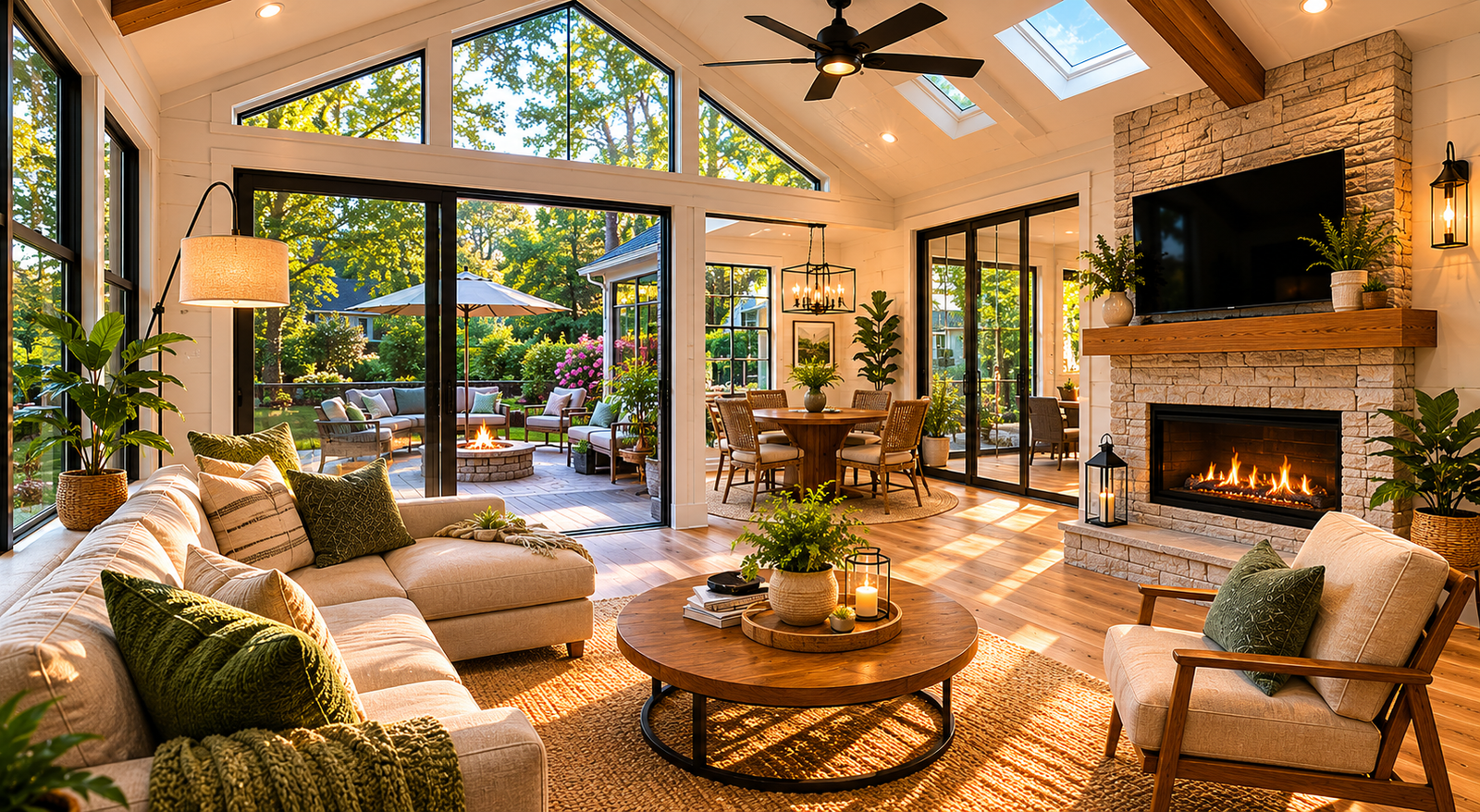
Four-season sunroom addition in Maryland with large windows, natural light, warm wood flooring, comfortable seating, garden views, and indoor-outdoor living design.

Four-Season Sunroom Additions in Maryland: Why 2026 Homeowners Want Natural Light, Indoor-Outdoor Comfort, and More Living Space

Four-season sunroom additions in Maryland are becoming one of the most attractive remodeling strategies for homeowners who want more usable space without losing the comfort of the home they already love.

For families in Rockville, Bethesda, Potomac, Silver Spring, Chevy Chase, Gaithersburg, Washington, D.C., Arlington, and Northern Virginia, a sunroom can solve several problems at once. It can bring in more natural light, create a flexible family space, improve indoor-outdoor living, connect the home to the backyard, and make the property feel larger without requiring a full second-story expansion.

This matters in 2026 because homeowners are remodeling around comfort, flexibility, wellness, and long-term function. Houzz’s 2026 home design trend coverage highlights accessible layouts, rich materials, wellness-focused spaces, and homes designed around the way people actually live. The Spruce’s current home trend coverage also points toward homes designed around daily routines, hyper-flexible spaces, biophilic design, and long-term practicality.

At H&C Construction Design Build, we help Maryland and DMV homeowners create home additions, sunrooms, covered porches, outdoor rooms, and whole-home remodeling plans with craftsmanship and long-term value. If your home feels dark, too small, disconnected from the backyard, or lacking a comfortable gathering space, start with Home Additions or view Our Remodeling Projects.


What Is a Four-Season Sunroom?

A four-season sunroom is a room designed to be used comfortably throughout the year.

Unlike a basic screened porch or three-season room, a true four-season space is planned with insulation, windows, heating and cooling considerations, flooring, lighting, electrical work, and proper integration with the existing home.

A four-season sunroom may function as:

  • Family room
  • Breakfast room
  • Reading room
  • Home office
  • Plant room
  • Guest lounge
  • Playroom
  • Indoor-outdoor dining space
  • Wellness retreat
  • Flexible living room
  • Extension of the kitchen or living area

The value of a sunroom is flexibility.

A homeowner may use it for morning coffee, remote work, family dinners, plants, reading, entertaining, or quiet evenings with garden views. This flexibility is one of the reasons sunrooms are becoming more relevant in 2026. Design trend coverage shows a movement toward sunrooms and converting screened porches into sunroom additions as homeowners look for stronger indoor-outdoor living.

For Maryland homes, the best sunroom should not feel like a separate glass box. It should feel like a natural part of the home.

That is why sunroom planning should be connected with Full Home Remodeling when flooring, layout, kitchen flow, exterior doors, or backyard access need to be improved at the same time.


Why Natural Light Is the Main Value of a Sunroom Addition

Natural light is one of the most powerful remodeling upgrades a homeowner can make.

A room with strong daylight can make the home feel larger, warmer, and more inviting. Natural light also helps connect the interior to the landscape, making the home feel less closed off.

A sunroom can improve natural light through:

  • Large windows
  • Sliding glass doors
  • French doors
  • Tall window walls
  • Skylights where appropriate
  • Garden views
  • Better backyard connection
  • Lighter interior finishes
  • Warm wood flooring
  • Open transition to kitchen or living room

This is especially valuable in older Maryland homes that may have smaller windows, darker interiors, or compartmentalized layouts.

However, natural light must be planned correctly. Large windows affect energy comfort, privacy, glare, furniture placement, and heating and cooling strategy. A sunroom should feel bright without becoming too hot in summer or too cold in winter.

That is why homeowners should work with a professional General Contractor in Maryland and Licensed Contractors in Maryland when planning structural openings, window walls, roofline changes, and addition work.

A beautiful sunroom depends on both design and construction discipline.


Sunrooms Create Flexible Living Space Without Moving

Many DMV homeowners need more space, but they do not necessarily want to move.

A sunroom can create useful square footage while preserving the home’s existing location, yard, neighborhood, school access, and community.

A four-season sunroom can support:

  • Family gathering
  • Work-from-home routines
  • Guest overflow
  • Indoor plants
  • Dining expansion
  • Quiet retreat space
  • Entertainment space
  • Children’s play area
  • Aging-in-place flexibility
  • Better connection to outdoor living

This is why sunrooms work well as part of Home Additions.

A good sunroom addition can feel less disruptive than a major whole-house expansion while still improving daily life significantly.

The key is choosing the right location. A sunroom may connect to the kitchen, living room, dining room, basement walkout, primary suite, or backyard porch. The best location depends on how the family uses the home.

A sunroom should not be added simply where there is space. It should be added where it improves the home’s rhythm.


Converting a Covered Porch or Screened Porch Into a Sunroom

Some homeowners already have a porch or screened porch that they love, but it is not usable enough throughout the year.

In that case, converting a porch into a sunroom may be a strong option.

A porch-to-sunroom conversion may include:

  • Window installation
  • Insulation
  • Flooring upgrades
  • Ceiling improvements
  • Electrical work
  • Lighting
  • Heating and cooling considerations
  • Weatherproofing
  • Door replacement
  • Structural evaluation
  • Exterior finish integration

However, not every porch can be converted easily.

Before converting a porch, homeowners should evaluate the structure, foundation, framing, roof, drainage, moisture exposure, floor system, and connection to the main home.

This is where Decks & Porches and Home Additions overlap.

A screened porch may be a lifestyle feature. A four-season sunroom is a true construction project. It needs to be built for comfort, weather, structure, and long-term use.

If the porch has rot, water damage, unsafe railings, or poor previous work, homeowners may need Restoration & Rebuild before conversion.


Kitchen-to-Sunroom Flow Creates a Stronger Family Space

One of the best places for a sunroom is near the kitchen.

A kitchen-connected sunroom can become a breakfast room, casual dining area, family lounge, or indoor-outdoor entertaining space.

This layout can improve daily life by creating:

  • More seating
  • Better morning light
  • Garden views
  • Easier outdoor dining
  • Family gathering space
  • Better entertaining flow
  • A brighter kitchen connection
  • Space for plants or seasonal decor

For homeowners planning Kitchen Remodeling, a sunroom addition can completely change how the kitchen functions.

Instead of expanding only cabinetry or island space, the homeowner can create a connected living experience. The kitchen becomes brighter, more open, and more connected to the backyard.

This is especially valuable for homeowners who host family gatherings or want better summer living.

A kitchen should not feel isolated from the rest of the home. A sunroom can help the kitchen become part of a larger lifestyle zone.


Sunrooms Can Support Wellness and Biophilic Design

A sunroom is naturally aligned with wellness-focused remodeling.

It brings in daylight, views, plants, natural materials, and a calmer connection to the outdoors. In 2026, homeowners are increasingly interested in homes that feel restorative, personal, and connected to real daily routines. Houzz’s 2026 trend coverage emphasizes wellness-focused spaces and rich materials. Current design reporting also highlights biophilic design and flexible spaces as trends that are shaping the next decade of homes.

A wellness-focused sunroom may include:

  • Indoor plants
  • Natural wood flooring
  • Stone accents
  • Comfortable seating
  • Soft lighting
  • Garden views
  • Reading corner
  • Yoga or stretching space
  • Warm neutral colors
  • Natural woven textures
  • Quiet work area

This does not mean the sunroom needs to look like a greenhouse. It should feel like a comfortable room that happens to connect beautifully with nature.

For homeowners who want a calmer home, a sunroom can become one of the most used spaces in the property.


Four-Season Rooms Need Energy-Conscious Planning

A sunroom with large windows must be planned carefully for comfort.

Without proper design, a sunroom can become too hot in summer, too cold in winter, or uncomfortable during certain times of day.

Energy-conscious sunroom planning may include:

  • High-performance windows
  • Proper insulation
  • Air sealing
  • Roof and ceiling insulation
  • Window orientation analysis
  • Shading strategy
  • Ceiling fans
  • Heating and cooling coordination
  • Durable flooring
  • Moisture-conscious materials
  • Exterior drainage planning

A four-season room is different from a simple glass enclosure.

It needs to work with the home’s existing systems and Maryland’s changing seasons.

This is why sunroom additions should be handled by experienced professionals who understand structure, envelope performance, window installation, roofline integration, and interior comfort.

A well-planned sunroom can feel comfortable and valuable. A poorly planned sunroom can become a room the family avoids.


Sunrooms and Basements Can Work Together

For homes with walkout basements or sloped lots, a sunroom can connect with lower-level living.

A homeowner might create a sunroom above a patio, connect a basement lounge to an outdoor seating area, or improve the transition between the lower level and backyard.

This can support:

  • Guest suite comfort
  • Basement family room connection
  • Outdoor dining
  • Lower-level entertaining
  • Garden access
  • Natural light strategy
  • Flexible family use

When planned together, Basement Remodeling and a sunroom or outdoor addition can make the home feel larger and more complete.

However, lower-level projects must account for moisture, drainage, foundation conditions, egress, and outdoor grading.

The best remodeling plan considers how the entire property works, not just one room.


When Should You Consider a Four-Season Sunroom Addition?

A four-season sunroom may be a strong decision if your home has any of these issues:

  • Home feels too dark
  • Family needs more living space
  • Backyard is underused
  • Kitchen lacks natural light
  • Existing porch is seasonal only
  • Living room feels disconnected from outdoors
  • Home office needs a brighter location
  • Family wants a flexible room
  • Outdoor dining is inconvenient
  • Home lacks a comfortable transition to the yard
  • You want more space without moving
  • You want a wellness-focused room
  • You want stronger indoor-outdoor living

A sunroom should be designed around how the family will use it.

The strongest projects are not generic. They are tailored to the home’s layout, views, sunlight, structure, and lifestyle.


How H&C Construction Design Build Helps Maryland Homeowners

At H&C Construction Design Build, we help homeowners create additions and remodeling plans that improve beauty, comfort, durability, and long-term value.

Our four-season sunroom addition process focuses on five priorities.

1. Understanding the Homeowner’s Goals

We begin by learning how the room should function: family room, breakfast room, office, plant room, lounge, guest space, or indoor-outdoor retreat.

2. Evaluating the Existing Home

We review structure, exterior walls, roofline, foundation, backyard connection, windows, doors, drainage, and interior flow.

3. Planning the Right Addition Strategy

We help homeowners decide whether the best path is a new sunroom addition, porch conversion, covered porch upgrade, kitchen-connected expansion, or full-home layout improvement.

4. Coordinating Construction Professionally

We manage framing, windows, insulation, flooring, lighting, exterior integration, interior finishes, and quality control.

5. Building for Long-Term Value

We focus on creating a sunroom that feels like a natural part of the home and performs through Maryland’s seasons.

Whether you need a sunroom addition in Bethesda, a four-season room in Rockville, a porch conversion in Potomac, or a full indoor-outdoor remodeling plan in Montgomery County, H&C Construction can help you build with purpose and craftsmanship.

View Our Remodeling Projects or request a consultation to start planning.


Build a Brighter, More Flexible Home With a Four-Season Sunroom

A four-season sunroom addition is one of the strongest ways to create more comfort, natural light, and usable living space without leaving the home you already love.

In 2026, Maryland homeowners want spaces that support daily routines, wellness, indoor-outdoor living, family gathering, and long-term flexibility. A well-designed sunroom can support all of those goals.

If your home feels dark, crowded, disconnected from the backyard, or lacking a comfortable flexible room, H&C Construction Design Build can help you create a sunroom addition that feels intentional and built to last.

Explore Home Additions, Decks & Porches, Full Home Remodeling, and General Contractor in Maryland, or request a consultation with H&C Construction Design Build today.
Posted on Leave a comment

Low-Maintenance Home Remodeling in Maryland: 2026 Durable Design Guide

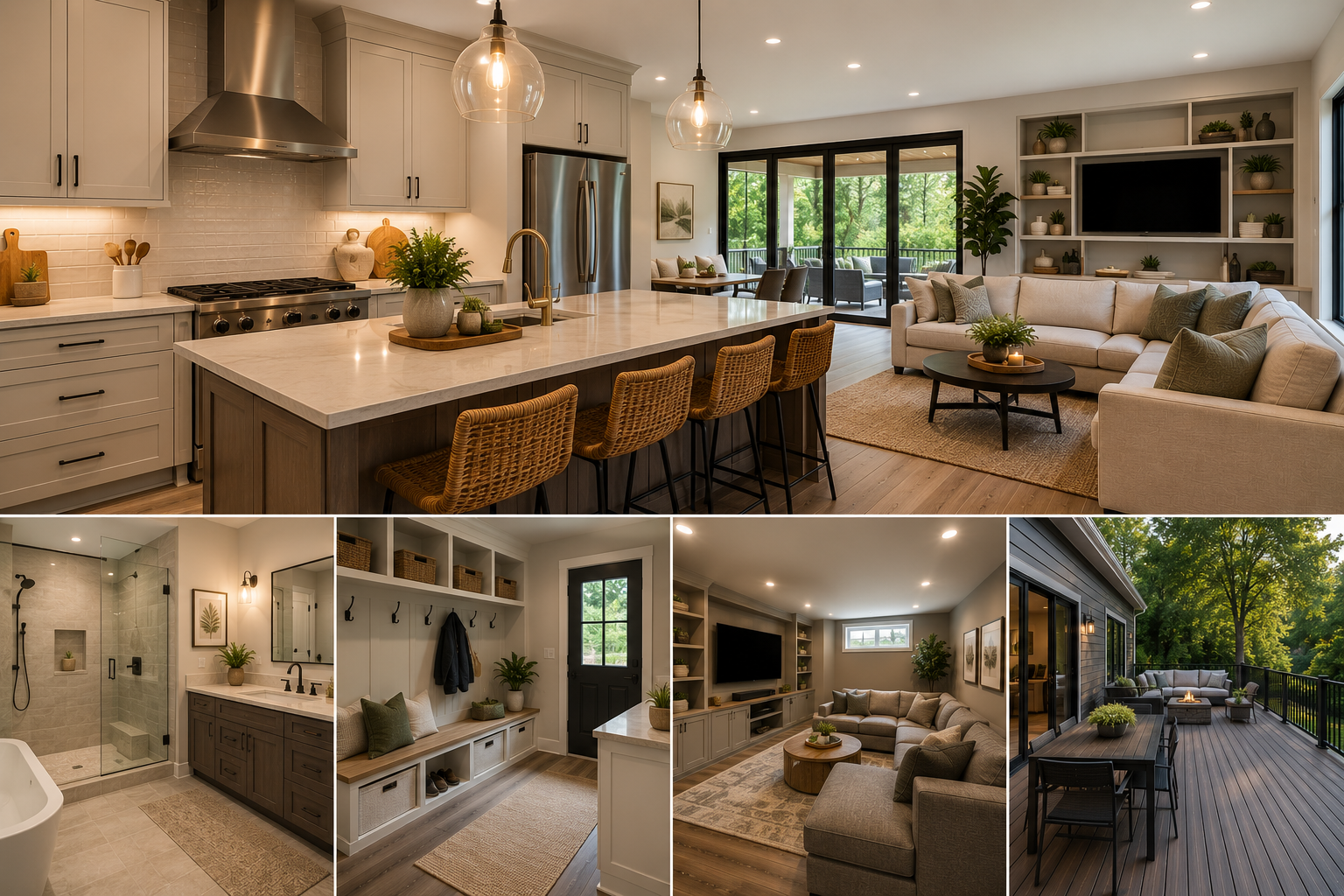
Low-maintenance home remodeling in Maryland with durable flooring, quartz countertops, easy-clean kitchen, modern bathroom, composite deck, built-in storage, and family-friendly design.

Low-Maintenance Home Remodeling in Maryland: How 2026 Homeowners Are Choosing Durable Materials, Easier Cleaning, and Long-Term Value

Low-maintenance home remodeling in Maryland is becoming one of the smartest renovation strategies for 2026. Homeowners are no longer choosing materials only because they look beautiful on installation day. They want materials and layouts that stay beautiful with real use.

For families in Rockville, Bethesda, Potomac, Silver Spring, Chevy Chase, Gaithersburg, Washington, D.C., Arlington, and Northern Virginia, this matters because homes work hard every day. Kitchens handle cooking, spills, groceries, children, guests, and pets. Bathrooms handle moisture, daily routines, humidity, and cleaning. Basements handle storage, family use, and moisture risk. Decks and porches handle sun, rain, traffic, furniture, and seasonal use.

A low-maintenance remodel focuses on long-term performance.

This direction aligns with current remodeling trends. The Spruce’s current design trend coverage highlights practicality, daily routines, flexible spaces, sustainability, and long-term materials as important forces shaping homes. Designers are also emphasizing timeless homes built around natural materials, cohesive details, and durable choices that age well rather than chasing short-lived trends.

At H&C Construction Design Build, we help Maryland and DMV homeowners remodel with durability, function, craftsmanship, and long-term value. If your home feels hard to maintain, outdated, damaged, cluttered, or poorly designed for real family life, start with Full Home Remodeling or view Our Remodeling Projects.


What Is Low-Maintenance Home Remodeling?

Low-maintenance remodeling means designing and building a home that is easier to clean, easier to organize, more durable, and better prepared for daily wear.

It does not mean choosing cheap materials.

In fact, low-maintenance remodeling often requires better materials, stronger installation, smarter layouts, and more thoughtful planning.

A low-maintenance remodel may include:

  • Durable flooring
  • Quartz or quartzite countertops
  • Easy-clean backsplashes
  • Better cabinet interiors
  • Hidden storage
  • Moisture-resistant bathroom materials
  • Large-format tile
  • Slip-resistant flooring
  • Composite decking
  • Better ventilation
  • Closed storage
  • Stain-resistant finishes
  • Cleaner transitions between rooms
  • Better laundry and mudroom planning
  • Durable basement finishes

The goal is simple: make the home easier to live in.

A home should not require constant effort to feel clean, organized, and comfortable.

This is why low-maintenance remodeling often connects with Kitchen Remodeling, Bathroom Remodeling, Basement Remodeling, Decks & Porches, and Full Home Remodeling.


Durable Flooring Is the Foundation of an Easier Home

Flooring affects maintenance more than almost any other material.

The wrong flooring can scratch, stain, warp, absorb moisture, or require constant upkeep. The right flooring can make the home easier to clean and more durable over time.

Low-maintenance flooring should consider:

  • Moisture resistance
  • Scratch resistance
  • Slip resistance
  • Cleaning requirements
  • Room location
  • Pet and child use
  • Basement conditions
  • Kitchen traffic
  • Bathroom moisture
  • Outdoor transition areas
  • Long-term repairability

Good options may include:

  • Porcelain tile
  • Ceramic tile
  • Luxury vinyl plank
  • Durable engineered flooring
  • Waterproof flooring systems
  • Composite or exterior-rated surfaces for outdoor areas

A kitchen may need different flooring than a bathroom. A basement may need a different strategy than a bedroom. A mudroom near a deck or porch may need a tougher surface than a formal living room.

This is why flooring should be planned as part of a whole-home strategy.

During Full Home Remodeling, homeowners can coordinate flooring transitions, durability, design consistency, and room-by-room performance.


Low-Maintenance Kitchen Remodeling

The kitchen is one of the most important rooms for low-maintenance remodeling.

A beautiful kitchen can become frustrating if the surfaces are hard to clean, storage is weak, or the layout creates clutter.

A low-maintenance kitchen may include:

  • Quartz countertops
  • Durable cabinet finishes
  • Full-height backsplash
  • Easy-clean tile
  • Hidden appliance storage
  • Pull-out pantry shelves
  • Trash and recycling pull-outs
  • Deep drawers
  • Better lighting
  • Durable flooring
  • Closed storage
  • Under-cabinet lighting
  • Fewer cluttered surfaces
  • Practical island storage

Current kitchen renovation coverage continues to emphasize kitchens designed for real living, including oversized islands with storage, hidden appliance garages, walk-in or scullery-style pantries, durable low-maintenance countertops, and thoughtful lighting.

For Maryland homeowners, this means Kitchen Remodeling should be planned around both beauty and daily use.

A low-maintenance kitchen should be easy to cook in, easy to clean, and easy to keep organized.


Low-Maintenance Bathroom Remodeling

Bathrooms need durable, moisture-smart materials.

A bathroom that looks luxurious but is difficult to clean or poorly waterproofed can become a problem quickly.

A low-maintenance bathroom may include:

  • Walk-in shower
  • Large-format tile
  • Fewer grout lines
  • Quartz vanity top
  • Strong ventilation
  • Glass shower with practical coating
  • Waterproof shower system
  • Durable vanity materials
  • Slip-resistant flooring
  • Recessed storage
  • Better lighting
  • Wall-mounted or easy-clean fixtures
  • Moisture-resistant finishes where appropriate

Bathroom trend coverage for 2026 points toward bathrooms becoming more restorative, personalized, and spa-like, with warmer finishes, layered lighting, immersive showers, and materials that create a calmer atmosphere. For H&C Construction clients, the important point is that a bathroom should be both beautiful and buildable.

A spa-style bathroom must still manage moisture, ventilation, waterproofing, drainage, and cleaning.

That is why Bathroom Remodeling should be handled as a performance project, not only a decorative update.


Low-Maintenance Basement Remodeling

Basements require a special durability strategy because they are more vulnerable to moisture, humidity, and temperature changes.

A low-maintenance basement remodel may include:

  • Moisture-conscious flooring
  • Better insulation
  • Improved lighting
  • Durable wall finishes
  • Storage systems
  • Dehumidification planning
  • Easy-clean surfaces
  • Finished laundry zone
  • Proper ventilation
  • Egress planning where needed
  • Water-resistant materials where appropriate

A finished basement can add major usable space, but only if the underlying conditions are right.

Before investing in finishes, homeowners should evaluate:

  • Water stains
  • Musty odors
  • Foundation conditions
  • Humidity
  • Drainage
  • Sump pump performance
  • Window wells
  • Flooring compatibility
  • Ventilation

This is why Basement Remodeling should begin with performance.

If there is existing water damage, mold risk, or structural concern, Restoration & Rebuild should come before cosmetic remodeling.

A low-maintenance basement should feel finished, dry, durable, and comfortable.


Composite Decks and Durable Outdoor Living

Outdoor spaces require low-maintenance planning because they face weather every day.

Decks and porches are exposed to rain, humidity, sun, wind, leaves, foot traffic, furniture, and seasonal changes.

Low-maintenance outdoor remodeling may include:

  • Composite decking
  • PVC decking
  • Aluminum railings
  • Exterior-rated lighting
  • Weather-resistant furniture zones
  • Durable stairs
  • Proper drainage
  • Covered porch areas
  • Low-maintenance trim
  • Easy-clean outdoor surfaces
  • Durable outdoor kitchen materials

Outdoor design coverage continues to emphasize functional outdoor living spaces that feel intentional and connected to the home. Real Simple’s recent outdoor value coverage notes that functional patios, decks, and defined seating areas help buyers see outdoor areas as usable living space rather than decorative landscaping.

For Maryland homeowners, Decks & Porches should be designed for both beauty and durability.

A low-maintenance deck or porch should not require constant repair to remain attractive and safe.


Storage Is a Low-Maintenance Strategy

Clutter creates maintenance.

When a home lacks storage, surfaces fill up, floors become harder to clean, and daily life feels less organized.

A low-maintenance remodel should include storage planning.

Smart storage may include:

  • Pantry cabinets
  • Built-in mudroom storage
  • Laundry cabinets
  • Bathroom linen storage
  • Basement storage walls
  • Under-stair storage
  • Closed living room storage
  • Deep kitchen drawers
  • Pull-out shelves
  • Custom closets
  • Garage-adjacent storage
  • Pet supply storage
  • Cleaning supply cabinets

The best storage is located where items are actually used.

For example, shoes belong near the entry. Towels belong near the bathroom or laundry. Pantry items belong near the kitchen. Seasonal storage may belong in the basement. Outdoor supplies belong near decks, porches, or mudrooms.

This is why low-maintenance remodeling often becomes a Full Home Remodeling conversation.

The goal is not only to add storage. The goal is to reduce daily friction.


Home Additions Can Solve Maintenance and Clutter Problems

Sometimes the home is hard to maintain because it is too small or poorly organized.

A Home Addition can create the space needed for better organization and long-term function.

A low-maintenance addition may include:

  • Mudroom
  • Laundry room
  • Pantry
  • First-floor suite
  • Larger kitchen
  • Family room
  • Sunroom
  • Storage room
  • Covered porch
  • Home office

An addition should be designed for durability from the beginning.

That means considering flooring, windows, insulation, exterior materials, trim, roofing, drainage, lighting, storage, and cleaning needs before construction begins.

A well-built addition can make the existing home easier to live in.

A poorly planned addition can create new maintenance problems.


Repair Existing Problems Before Installing Durable Finishes

Low-maintenance remodeling does not work if damage is ignored.

Before installing durable materials, homeowners should repair problems such as:

  • Water damage
  • Mold
  • Soft subfloors
  • Rotten trim
  • Damaged drywall
  • Poor ventilation
  • Unsafe deck framing
  • Foundation moisture
  • Plumbing leaks
  • Electrical issues
  • Previous poor workmanship

New finishes cannot solve hidden damage.

This is why Restoration & Rebuild may be the correct first step before a major remodel.

A durable remodel needs a sound foundation.


When Should You Consider Low-Maintenance Remodeling?

Low-maintenance remodeling may be a strong decision if your home has any of these issues:

  • Floors are hard to clean
  • Kitchen counters always feel cluttered
  • Bathroom grout is difficult to maintain
  • Basement feels damp or unfinished
  • Deck requires constant upkeep
  • Entryways collect dirt and shoes
  • Storage is not enough
  • Materials are worn or dated
  • Pets or children create heavy wear
  • The home feels difficult to keep organized
  • Outdoor spaces need too much maintenance
  • Previous finishes are failing
  • You want long-term value over short-term trends

The best time to plan is before wear becomes damage.

A smart remodel can make the home easier to maintain every day.


How H&C Construction Design Build Helps Maryland Homeowners

At H&C Construction Design Build, we help homeowners remodel with craftsmanship, durability, and long-term performance.

Our low-maintenance remodeling process focuses on five priorities.

1. Understanding Daily Use

We begin by learning how the family uses the home, where clutter collects, what materials are failing, and which rooms need easier maintenance.

2. Evaluating Existing Conditions

We review flooring, bathrooms, kitchens, basements, outdoor areas, storage, water damage, ventilation, and previous construction quality.

3. Planning the Right Materials

We help homeowners choose durable, attractive materials that fit each room’s use, moisture level, cleaning needs, and long-term expectations.

4. Coordinating Construction Professionally

We manage remodeling with attention to preparation, installation quality, material performance, sequencing, and finish details.

5. Building for Long-Term Value

We focus on creating spaces that are easier to clean, better organized, more durable, and more comfortable to live in.

Whether you need a durable kitchen in Bethesda, low-maintenance bathroom in Rockville, basement remodeling in Silver Spring, composite deck in Potomac, or full-home remodeling in Montgomery County, H&C Construction can help you remodel with purpose.

View Our Remodeling Projects or request a consultation to start planning.


Build a Home That Looks Better and Works Easier

Low-maintenance home remodeling is not about sacrificing beauty. It is about choosing materials, layouts, and construction details that make beauty last longer.

In 2026, Maryland homeowners want durable flooring, easy-clean kitchens, moisture-smart bathrooms, finished basements, composite decks, stronger storage, and homes that support real life.

The best remodels look beautiful on day one and continue working well years later.

If your home feels hard to maintain, outdated, damaged, cluttered, or poorly designed for daily life, H&C Construction Design Build can help you remodel with craftsmanship and long-term value.

Explore Full Home Remodeling, Kitchen Remodeling, Bathroom Remodeling, Decks & Porches, and General Contractor in Maryland with H&C Construction Design Build today.