Posted on Leave a comment

Home Office and Flex Room Remodeling in Maryland: 2026 Design Guide

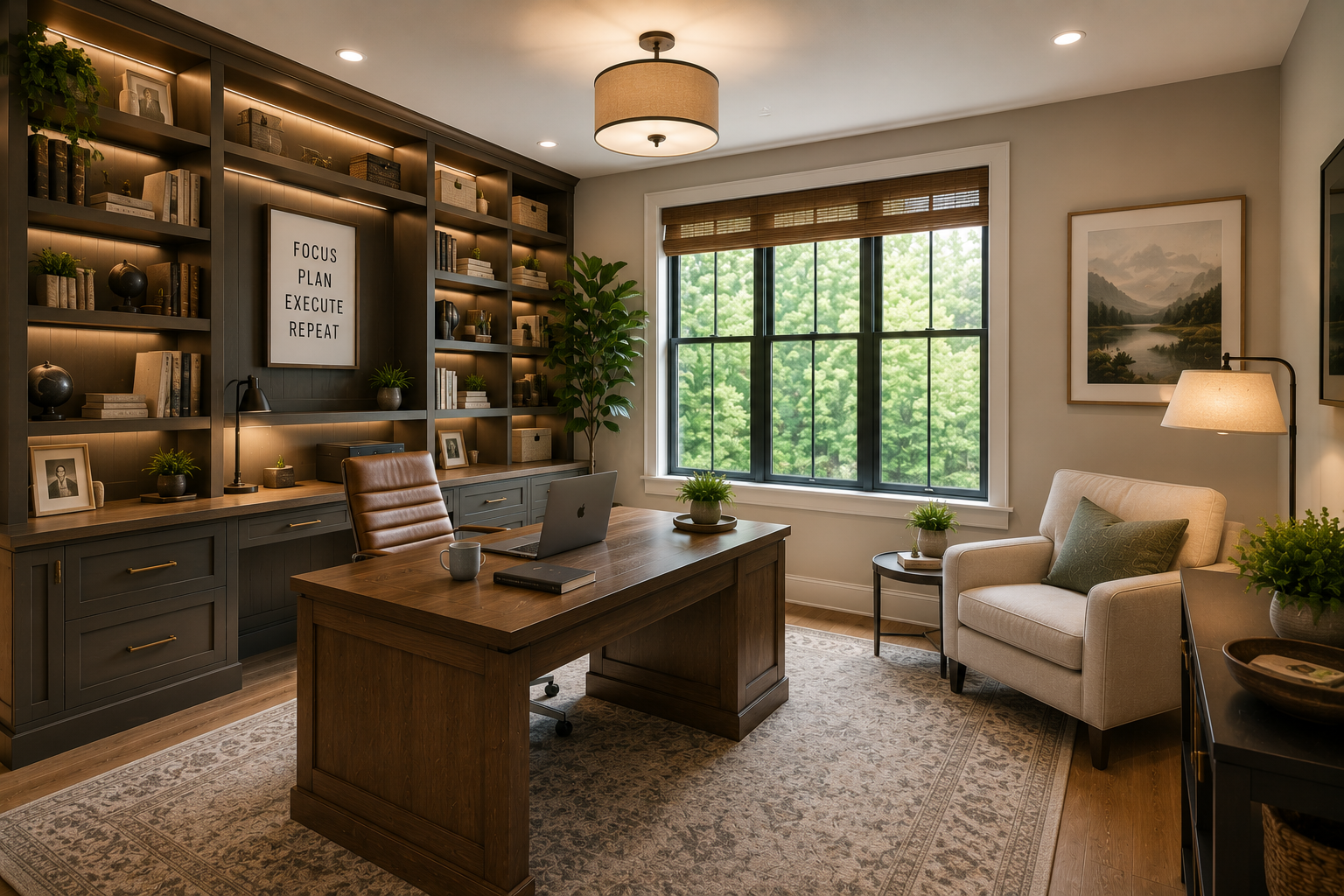
Home office and flex room remodeling in Maryland with custom built-ins, warm wood desk, natural light, sound-conscious design, storage, and flexible work-from-home layout.

Home Office and Flex Room Remodeling in Maryland: Why 2026 Homeowners Need Smarter Work, Study, and Wellness Spaces

Home office and flex room remodeling in Maryland is becoming one of the most practical home improvement strategies for 2026. Homeowners are no longer treating work-from-home areas as temporary setups. They want spaces that support focus, privacy, storage, video calls, homework, wellness, guest use, and long-term flexibility.

For homeowners in Rockville, Bethesda, Potomac, Silver Spring, Chevy Chase, Gaithersburg, Washington, D.C., Arlington, and Northern Virginia, this trend reflects how homes are being used now.

A spare room may need to function as an office today, a guest room tomorrow, and a study space later. A basement may need to become a quiet work zone. A main-level den may need custom built-ins. A home addition may be the best solution when the existing floor plan no longer supports the family’s work and lifestyle needs.

Current workplace design coverage for 2026 emphasizes flexibility, well-being, sustainability, technology, modularity, and spaces that can adapt over time. Those same ideas are now shaping home office and flex room remodeling.

At H&C Construction Design Build, we help Maryland and DMV homeowners remodel homes with better layouts, storage, comfort, and long-term value. If your home office feels improvised, your basement is underused, or your family needs a better flexible room, start with Full Home Remodeling or view Our Remodeling Projects.


Why Home Offices and Flex Rooms Matter in 2026

Homes are doing more work than ever.

A modern home may need to support:

  • Remote work
  • Hybrid schedules
  • Video calls
  • Homework
  • Online learning
  • Side businesses
  • Creative work
  • Fitness
  • Guest stays
  • Reading
  • Quiet recovery
  • Family administration
  • Storage
  • Multi-generational needs

A dining table or bedroom corner may work temporarily, but it is not a long-term solution.

A well-designed home office or flex room can improve focus, reduce clutter, create privacy, and make the home feel more organized.

This is why flex space remodeling often connects with Full Home Remodeling. The issue is rarely just one desk. It may involve layout, lighting, built-ins, sound control, storage, electrical planning, basement finishing, or even an addition.


What Is a Flex Room?

A flex room is a space designed to change function over time.

It may serve as:

  • Home office
  • Guest room
  • Study room
  • Homework zone
  • Library
  • Wellness room
  • Craft room
  • Music room
  • Playroom
  • Media room
  • Fitness room
  • Small business workspace
  • Multi-generational support space

The key is flexibility.

A strong flex room should not be so specific that it becomes useless when family needs change. It should be designed with storage, lighting, outlets, privacy, and layout choices that allow the room to adapt.

For example, a built-in desk and wall bed can turn one room into both an office and guest room. A basement office can become a quiet study space or media room later. A den with built-ins can become a library, work space, or family command center.

This is why flex room remodeling is one of the smartest long-term investments for homeowners who want their homes to adapt with them.


Custom Built-Ins Make Home Offices More Valuable

Custom built-ins are one of the best upgrades for a home office or flex room.

They create storage, reduce clutter, improve visual quality, and make the space feel intentional.

Built-ins may include:

  • Desk wall
  • Bookshelves
  • Filing storage
  • Closed cabinets
  • Floating shelves
  • Printer storage
  • Hidden cable management
  • Display shelving
  • Window seat
  • Murphy bed
  • Media cabinet
  • Homework station
  • Craft storage
  • Library wall

A home office with loose furniture can feel temporary. A room with custom built-ins feels designed and valuable.

Built-ins also help homeowners hide the visual mess of modern work: cords, chargers, documents, supplies, printers, and devices.

For homeowners planning Full Home Remodeling, built-ins can be coordinated with kitchen cabinetry, mudroom storage, basement storage, or bedroom closets for a cohesive whole-home storage strategy.


Lighting Is Critical for Work, Study, and Wellness

Lighting can define whether a home office feels productive or draining.

A strong lighting plan should support both focus and comfort.

Home office lighting may include:

  • Natural light
  • Desk task lighting
  • Recessed ceiling lighting
  • Wall sconces
  • Bookshelf lighting
  • Dimmable controls
  • Warm ambient lighting
  • Video-call-friendly lighting
  • Glare reduction
  • Window treatments

Natural light is valuable, but it must be managed carefully. Too much glare can make screen work difficult. Too little light can make the room feel heavy.

A professional remodel can improve window placement, lighting circuits, built-ins, desk orientation, and ceiling lighting so the space works better throughout the day.

For homeowners who want a calmer work environment, lighting can also support wellness. Softer lighting, natural materials, and better views can make the room feel less stressful.


Sound Control and Privacy Matter More Than Ever

A home office needs privacy.

Without it, video calls, concentration, and deep work become difficult.

Sound-conscious remodeling may include:

  • Solid-core doors
  • Wall insulation
  • Acoustic panels
  • Better room placement
  • Carpet or area rugs
  • Built-in shelving
  • Door seals
  • Basement ceiling insulation
  • Separation from kitchens and family rooms
  • Thoughtful layout planning

This is especially important in multi-generational homes, families with children, or households where more than one person works from home.

A home office near a kitchen may be convenient but noisy. A basement office may be quieter but needs better lighting and comfort. A home addition may create the best dedicated workspace when the existing home lacks privacy.

This is where Basement Remodeling and Home Additions can become strong solutions.


Basement Offices Can Turn Underused Space Into Productivity

Basements are often one of the best places to create a dedicated home office or flex room.

A basement office can provide separation from the main living areas, which helps with focus and privacy.

A basement office remodel may include:

  • Finished walls
  • Better flooring
  • Recessed lighting
  • Built-in desk
  • Storage cabinets
  • Sound insulation
  • Improved stair access
  • Moisture control
  • Ventilation
  • Egress planning where needed
  • Guest room flexibility
  • Media or wellness area nearby

However, basements require careful planning.

Before finishing a basement office, homeowners should evaluate moisture, humidity, foundation walls, flooring compatibility, ceiling height, lighting, ventilation, and electrical needs.

This is why Basement Remodeling should be treated as a serious design-build project.

If the basement has water damage, musty odors, or damaged flooring, homeowners should consider Restoration & Rebuild before installing finishes.


Home Additions Can Create a Dedicated Work Zone

Some homes simply do not have enough interior space for a proper home office.

In that case, a Home Addition may be the best solution.

A home office addition can create:

  • Private work room
  • Studio
  • Library
  • Client meeting area
  • Creative workspace
  • First-floor office
  • Guest-office hybrid room
  • Sunroom office
  • Office with outdoor views

An addition can be especially valuable for homeowners who run a business from home, need a quiet professional environment, or want a first-floor office that can later become a bedroom or suite.

However, additions must be planned carefully. They involve foundation, framing, roofline integration, insulation, HVAC, electrical work, windows, exterior materials, permits, and interior flow.

A well-designed addition should feel connected to the home while giving the homeowner the privacy they need.


Kitchen-Adjacent Command Centers Help Families Stay Organized

Not every home needs a separate office.

Some families need a command center near the kitchen.

A kitchen-adjacent work zone may include:

  • Built-in desk
  • Calendar wall
  • Charging drawer
  • Mail storage
  • Homework station
  • School supply storage
  • Printer cabinet
  • File drawers
  • Message board
  • Pantry-adjacent organization
  • Household management storage

This type of space works well for families managing schedules, schoolwork, bills, devices, and daily tasks.

When planning Kitchen Remodeling, homeowners may want to include a small work zone that supports family administration without taking over the kitchen island or dining table.

A good command center can reduce clutter and make the home feel more organized.


Outdoor Connections Can Improve Work-Life Balance

A home office or flex room does not need to feel closed in.

Natural light and outdoor views can make a work space feel calmer and more pleasant.

Some homeowners are improving work-life balance by connecting offices or flex rooms to outdoor spaces.

This may include:

  • Office with garden views
  • Sliding doors to a deck
  • Reading room near a porch
  • Outdoor work terrace
  • Screened porch connection
  • Covered deck near a flex room
  • Better window placement
  • Private outdoor sitting area

This is where Decks & Porches can support a broader remodeling plan.

A covered porch or outdoor room can give homeowners another place to read, take calls, or decompress during the day.

The strongest remodels think beyond one room and consider how the home supports daily rhythm.


Flex Rooms Support Long-Term Home Value

A well-designed flex room can improve long-term value because it adapts.

Buyers may not need the exact same use as the current homeowner, but they will understand the value of a room that can become an office, guest room, study, library, playroom, or wellness space.

A strong flex room can appeal to:

  • Remote workers
  • Families with children
  • Empty nesters
  • Multi-generational households
  • Home-based business owners
  • Buyers who need guest space
  • Homeowners planning to age in place
  • People who value storage and organization

The more flexible the room, the more useful it becomes over time.

This is why flex room remodeling should avoid overly narrow design choices. Built-ins, lighting, outlets, storage, and privacy should support several possible uses.

That is also why flex spaces often work best as part of Full Home Remodeling instead of isolated room updates.


When Should You Remodel a Home Office or Flex Room?

Home office and flex room remodeling may be the right decision if your home has any of these issues:

  • No dedicated work space
  • Dining table used as office
  • Poor lighting
  • Too much noise
  • Weak storage
  • Basement is underused
  • Spare bedroom lacks purpose
  • Guest room is rarely used
  • Kids need a study area
  • Home business needs better space
  • Office furniture feels temporary
  • Video call background looks unprofessional
  • Family paperwork has no place
  • Work supplies are spread around the home
  • Home needs more flexible rooms

A good flex room does not need to be large. It needs to be planned well.

The right remodel can make the room useful for work, study, guests, wellness, and future family needs.


How H&C Construction Design Build Helps Maryland Homeowners

At H&C Construction Design Build, we help homeowners create spaces that are functional, comfortable, durable, and built for long-term value.

Our home office and flex room remodeling process focuses on five priorities.

1. Understanding the Room’s Purpose

We begin by learning how the room needs to function: work, study, guest room, wellness, storage, creative work, basement office, or multi-use space.

2. Evaluating the Existing Space

We review lighting, layout, storage, privacy, sound, electrical needs, flooring, windows, ventilation, and connection to other rooms.

3. Planning the Right Remodeling Strategy

We help homeowners decide whether the best solution is a built-in office, basement remodel, home addition, kitchen command center, guest-office hybrid, or full-home layout update.

4. Coordinating Construction Professionally

We manage cabinetry, built-ins, flooring, lighting, electrical work, framing, finishes, and quality control with attention to long-term usability.

5. Building for Future Flexibility

We focus on creating rooms that work now and can adapt as the household changes.

Whether you need a home office in Bethesda, a basement workspace in Rockville, a flex room in Potomac, a study area in Silver Spring, or a home addition in Montgomery County, H&C Construction can help you remodel with purpose and craftsmanship.

View Our Remodeling Projects to start planning.


Build a Smarter Space for Work, Study, and Real Life

Home office and flex room remodeling is one of the smartest ways to make a home work better in 2026.

Maryland homeowners need spaces that support focus, privacy, storage, wellness, guests, homework, hybrid work, and future flexibility. A well-designed flex room can solve several needs at once.

The best remodels do not simply add a desk. They improve lighting, storage, sound control, layout, materials, and long-term usability.

If your home office feels temporary, your basement is underused, your family needs a study zone, or your home lacks flexible space, H&C Construction Design Build can help you remodel with purpose and craftsmanship.

Explore Full Home Remodeling, Basement Remodeling, Home Additions, and General Contractor in Maryland, with H&C Construction Design Build today.
Posted on Leave a comment

Pantry and Prep Kitchen Remodeling in Maryland: 2026 Storage Guide

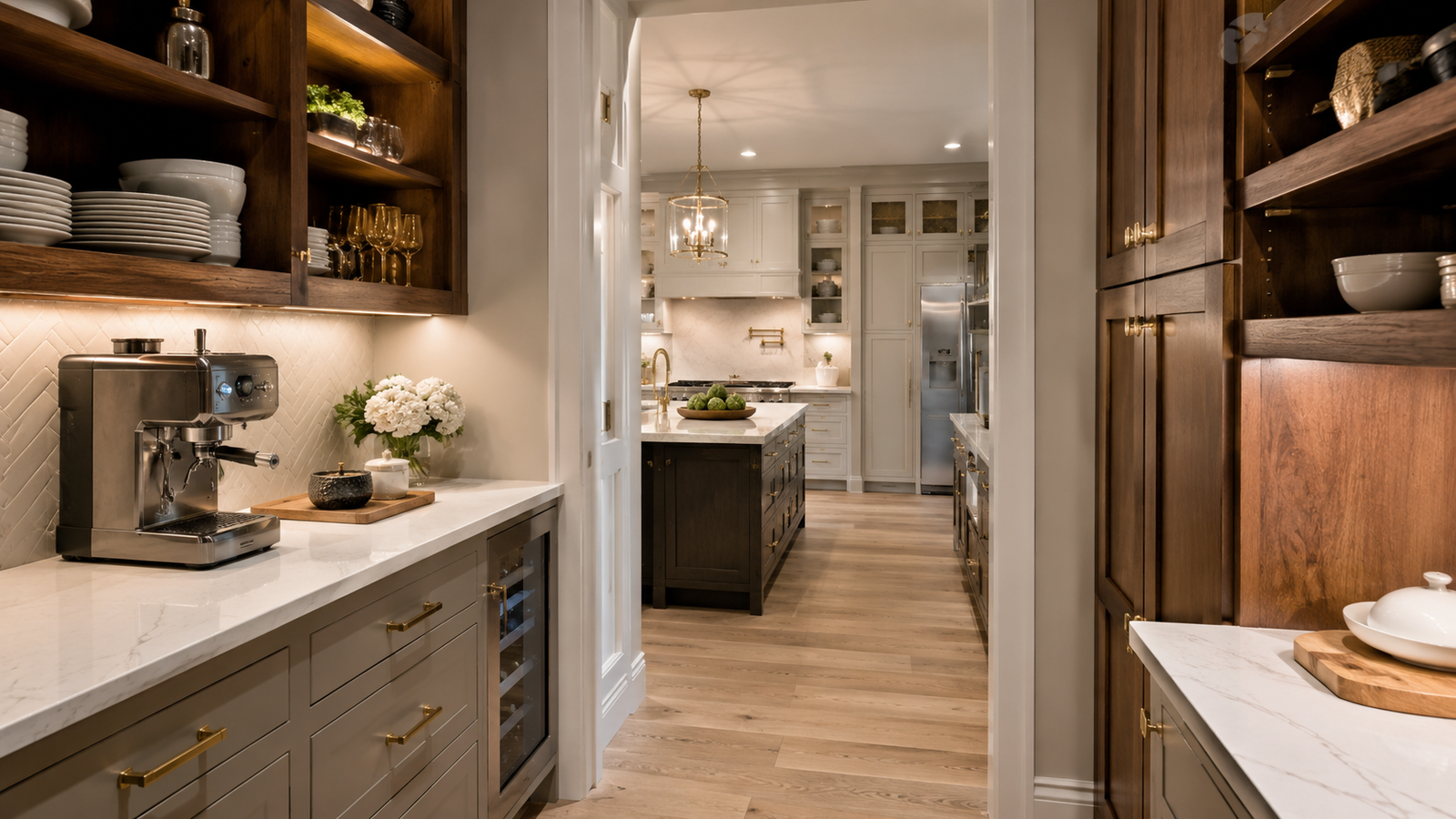
Pantry and prep kitchen remodeling in Maryland with custom cabinets, walk-in pantry, beverage station, warm wood storage, quartz counters, and hidden kitchen functionality.

Pantry, Butler’s Pantry, and Prep Kitchen Remodeling in Maryland: Why 2026 Homeowners Want Better Storage, Entertaining Zones, and Hidden Functionality

Kitchen remodeling in Maryland is becoming more storage-driven in 2026. Homeowners are no longer asking only for new cabinets, countertops, and islands. They want kitchens that work harder behind the scenes.

That is why pantry, butler’s pantry, and prep kitchen remodeling in Maryland is becoming one of the most valuable design-build opportunities for homeowners in Rockville, Bethesda, Potomac, Silver Spring, Chevy Chase, Gaithersburg, Washington, D.C., Arlington, and Northern Virginia.

A beautiful kitchen is important. But a beautiful kitchen without enough storage can become frustrating very quickly.

Modern homeowners want hidden functionality, organized food storage, beverage stations, coffee zones, appliance garages, pantry walls, walk-in pantries, prep counters, and entertaining zones that keep the main kitchen clean and calm.

Recent 2026 kitchen storage coverage shows this direction clearly. Houzz’s Best of Houzz 2026 kitchen storage ideas highlight deep drawers, open shelving, walk-in pantries, double islands, and clever built-ins. Ideal Home also reports that bespoke island storage, the “bantry” concept, and open shelving are key storage directions for high-end kitchens in 2026. Houzz’s 2026 Kitchen Trends Study coverage also notes that specialty built-ins such as pantry cabinets, walk-in pantries, butler’s pantries, prep kitchens, beverage stations, baking stations, and snack stations are taking a central role in kitchen renovations.

At H&C Construction Design Build, we help Maryland and DMV homeowners remodel kitchens with better storage, stronger layouts, durable materials, and long-term value. If your kitchen feels cluttered, short on pantry space, difficult for entertaining, or disconnected from how your family actually uses the home, start with Kitchen Remodeling or view Our Remodeling Projects.


Why Pantry Remodeling Matters in 2026

A kitchen can look updated and still fail in daily life if storage is weak.

Many older Maryland homes were designed with smaller kitchens, limited pantry space, fewer appliances, and less daily storage demand. Today’s households need more.

A modern kitchen often has to support:

  • Groceries
  • Dry goods
  • Small appliances
  • Coffee supplies
  • Kids’ snacks
  • Baking tools
  • Entertaining items
  • Serving pieces
  • Cleaning products
  • Pet supplies
  • Water bottles
  • Bulk storage
  • Specialty cookware
  • Recycling and trash systems

Without a thoughtful storage strategy, these items spread across countertops, dining rooms, mudrooms, basements, and hallways.

A pantry remodel helps solve that problem.

It gives everything a place. It reduces visual clutter. It improves daily routines. It makes the kitchen feel more expensive and easier to maintain.

This is why pantry planning should be part of serious Kitchen Remodeling, not an afterthought.


Pantry Cabinets vs. Walk-In Pantries

Not every home has space for a walk-in pantry. That is why homeowners should understand the difference between pantry cabinets and walk-in pantries.

A pantry cabinet is usually integrated into the kitchen cabinetry. It may include tall cabinets, pull-out shelves, deep drawers, adjustable shelving, interior lighting, or hidden appliance storage.

A walk-in pantry is a separate storage area that can hold food, small appliances, serving pieces, bulk goods, and sometimes countertop space.

Both options can work well.

Pantry cabinets are ideal when:

  • The kitchen footprint is limited
  • The homeowner wants storage close to cooking zones
  • The design needs a clean built-in look
  • The pantry must fit inside existing walls
  • Daily-use items need easy access

Walk-in pantries are ideal when:

  • The home has extra square footage
  • The family buys in bulk
  • The kitchen needs less visible storage
  • Entertaining supplies need a separate zone
  • The homeowner wants a more premium storage solution

When the home does not have enough space for either option, the kitchen may need to be expanded through Home Additions or reworked as part of Full Home Remodeling.

The best pantry solution depends on the home’s layout, storage needs, budget, and long-term plans.


What Is a Butler’s Pantry?

A butler’s pantry is a transitional space between the kitchen and dining area, or between the kitchen and entertaining spaces.

It can be used for storage, serving, beverage prep, coffee, dishes, glassware, and hosting support.

A butler’s pantry may include:

  • Base and wall cabinets
  • Countertop space
  • Beverage refrigerator
  • Wine storage
  • Coffee station
  • Glassware storage
  • Serving piece storage
  • Sink
  • Open shelving
  • Pocket doors
  • Under-cabinet lighting
  • Stone or quartz counters

For homeowners who entertain often, a butler’s pantry can reduce pressure on the main kitchen.

It provides a place to stage food, prepare drinks, store entertaining items, and keep clutter out of sight.

A butler’s pantry can also make the home feel more custom and high-end.

This type of project connects naturally with Kitchen Remodeling, especially when the dining room, kitchen, and family room are being updated together.


Prep Kitchens and Hidden Functionality

A prep kitchen is a secondary work area designed to keep heavy food preparation, cleanup, appliances, and storage away from the main kitchen.

Not every home needs a full prep kitchen, but many homeowners benefit from a smaller version.

A prep kitchen may include:

  • Secondary sink
  • Prep counter
  • Extra cabinets
  • Small appliances
  • Refrigerator drawers
  • Dishwasher drawer
  • Open shelving
  • Baking station
  • Beverage area
  • Pantry storage
  • Durable flooring
  • Strong task lighting

Prep kitchens are especially useful for families who cook often, entertain regularly, or want the main kitchen to remain visually calm.

The concept also fits the 2026 movement toward hidden functionality. Homeowners want kitchens that look clean from the living room but still support real cooking behind the scenes.

For larger homes in Bethesda, Potomac, and Chevy Chase, a prep kitchen can be a premium upgrade. For smaller homes, the same idea can be scaled into an appliance garage, pantry wall, or beverage station.

The design should fit the home, not overwhelm it.


Beverage Stations, Coffee Bars, and “Bantry” Zones

One of the strongest storage trends for 2026 is the rise of specialized kitchen zones.

The “bantry” concept combines pantry and bar functions. It can store dry goods, glassware, beverages, coffee supplies, snacks, and entertaining items in one organized area.

This type of zone may include:

  • Coffee maker storage
  • Wine refrigerator
  • Beverage fridge
  • Snack drawers
  • Glassware shelves
  • Tea and coffee storage
  • Countertop prep space
  • Pocket doors
  • Under-cabinet lighting
  • Deep drawers
  • Water station
  • Display shelving

This helps the kitchen work better during daily routines and entertaining.

Instead of placing coffee supplies, snacks, drinks, and serving items across the kitchen, a dedicated zone keeps everything organized.

For busy families, this can reduce traffic around the main cooking area. For homeowners who entertain, it creates a better hosting experience.

A beverage station or bantry can also connect with outdoor living. When a kitchen opens toward a deck or porch, a beverage zone near the exit can support easier hosting. This is where Kitchen Remodeling can connect naturally with Decks & Porches.


Kitchen Islands Should Include Smarter Storage

The kitchen island is not only a surface. In 2026, it is becoming one of the most important storage zones in the home.

A smart island can include:

  • Deep drawers
  • Charging drawers
  • Trash and recycling pull-outs
  • Microwave drawer
  • Beverage refrigerator
  • Cookware storage
  • Tray dividers
  • Hidden outlets
  • Open display shelves
  • Seating storage
  • Pet feeding drawer
  • Baking tools
  • Extra pantry drawers

Bespoke island storage can make a kitchen feel more expensive because it hides clutter and improves daily function.

However, an island must be designed carefully. If it is too large, it can block traffic. If it is too small, it may not provide enough value. If electrical and plumbing planning are ignored, construction becomes more difficult.

That is why island design should be part of a full kitchen plan, not a separate decision.

A professional General Contractor in Maryland can help coordinate island layout, electrical work, plumbing, cabinet installation, flooring, lighting, and code-conscious construction.


Pantry Remodeling Can Improve Whole-Home Organization

A pantry remodel can solve more than kitchen clutter.

It can improve the way the whole home functions.

A strong pantry plan can reduce clutter in:

  • Kitchen counters
  • Dining room cabinets
  • Basement storage
  • Laundry room shelves
  • Mudroom areas
  • Garage overflow
  • Hall closets
  • Family room storage

For example, bulk paper goods may move into a pantry cabinet. Small appliances may move into an appliance garage. Serving pieces may move into a butler’s pantry. Snacks may move into pull-out drawers. Pet food may move into a hidden cabinet.

When storage is planned well, the entire home feels calmer.

This is why pantry remodeling can be part of Full Home Remodeling, especially when the household needs better storage in multiple rooms.

For homeowners with basement storage issues, pantry planning may also connect with Basement Remodeling if the lower level is being organized, finished, or converted into family space.


Materials Matter in Pantry and Prep Kitchen Design

Pantries, butler’s pantries, and prep kitchens need durable materials.

These spaces may handle spills, food storage, small appliances, beverage prep, cleaning, and daily traffic.

Good material choices may include:

  • Quartz countertops
  • Quartzite countertops
  • Durable cabinet finishes
  • Easy-clean tile
  • Warm wood cabinetry
  • Open shelving
  • Under-cabinet lighting
  • Durable flooring
  • Stone-look surfaces
  • Moisture-resistant finishes where needed

Designers are also moving toward warmer kitchen materials in 2026. Recent kitchen flooring coverage notes that cool grays, overly polished surfaces, and dated flooring choices are being replaced by warmer, more natural, more timeless options.

For pantry and prep kitchen remodeling, this means homeowners should choose materials that feel consistent with the main kitchen while still performing well for daily use.

The goal is not only storage. The goal is storage that feels built-in, intentional, and valuable.


When Should You Consider Pantry or Prep Kitchen Remodeling?

A pantry or prep kitchen remodel may be a strong decision if your kitchen has any of these issues:

  • Not enough food storage
  • Countertops are always cluttered
  • Small appliances have no place to go
  • Pantry items are spread across multiple rooms
  • Entertaining feels difficult
  • Dining storage is limited
  • Coffee supplies take over counter space
  • Bulk goods are stored in the basement or garage
  • Kitchen island lacks useful storage
  • Kitchen layout feels disorganized
  • Family snacks are hard to manage
  • Hosting creates too much visible mess
  • You want a more high-end kitchen experience

A pantry remodel does not need to be massive to be valuable.

Sometimes the best solution is a full walk-in pantry. Sometimes it is a pantry wall, appliance garage, butler’s pantry, beverage station, or custom island storage.

The right solution depends on how the family lives.


How H&C Construction Design Build Helps Maryland Homeowners

At H&C Construction Design Build, we help homeowners create kitchens that are beautiful, organized, durable, and built for long-term value.

Our pantry and prep kitchen remodeling process focuses on five priorities.

1. Understanding Household Routines

We begin by learning how the family shops, cooks, stores food, entertains, uses appliances, manages snacks, and moves through the kitchen.

2. Evaluating the Existing Kitchen

We review layout, cabinetry, storage, island placement, dining connections, pantry potential, electrical needs, plumbing possibilities, flooring, lighting, and traffic flow.

3. Planning the Right Storage Strategy

We help homeowners decide whether the best solution is pantry cabinets, a walk-in pantry, butler’s pantry, prep kitchen, beverage station, appliance garage, or custom island storage.

4. Coordinating Construction Professionally

We manage cabinetry, counters, lighting, electrical work, plumbing, flooring, trim, finishes, and construction sequencing with attention to quality.

5. Building for Long-Term Value

We focus on creating kitchens that feel cleaner, more functional, more organized, and more valuable.

Whether you need a pantry wall in Rockville, a butler’s pantry in Bethesda, a prep kitchen in Potomac, or a complete kitchen storage remodel in Montgomery County, H&C Construction can help you remodel with purpose and craftsmanship.

View Our Remodeling Projects to start planning.


Build a Kitchen That Looks Calm and Works Hard Behind the Scenes

Pantry, butler’s pantry, and prep kitchen remodeling is one of the smartest ways to improve a kitchen in 2026.

Maryland homeowners want kitchens that feel warm, organized, functional, and ready for real life. That means better pantry storage, hidden appliances, beverage zones, prep counters, deep drawers, walk-in pantries, and layouts that support cooking and entertaining without constant clutter.

The best kitchens are not only beautiful in photos. They work beautifully every day.

If your kitchen lacks storage, your counters feel crowded, or entertaining creates too much mess, H&C Construction Design Build can help you create a smarter kitchen with custom storage and long-term value.

Explore Kitchen Remodeling, Full Home Remodeling, Home Additions, and General Contractor in Maryland , with H&C Construction Design Build today.