Posted on Leave a comment

Home Additions in Maryland: Spring Planning, Permits, Costs & Design Ideas

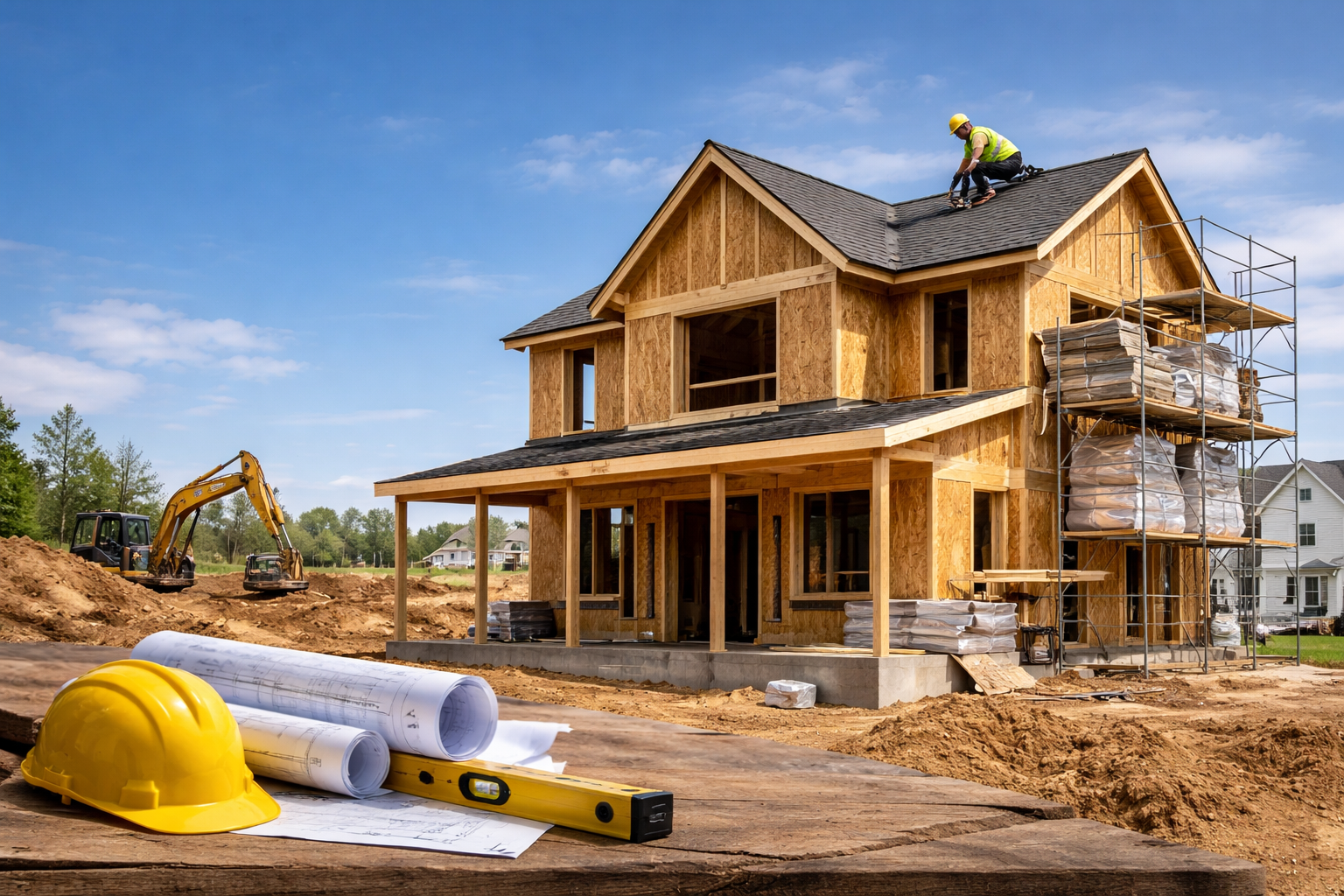
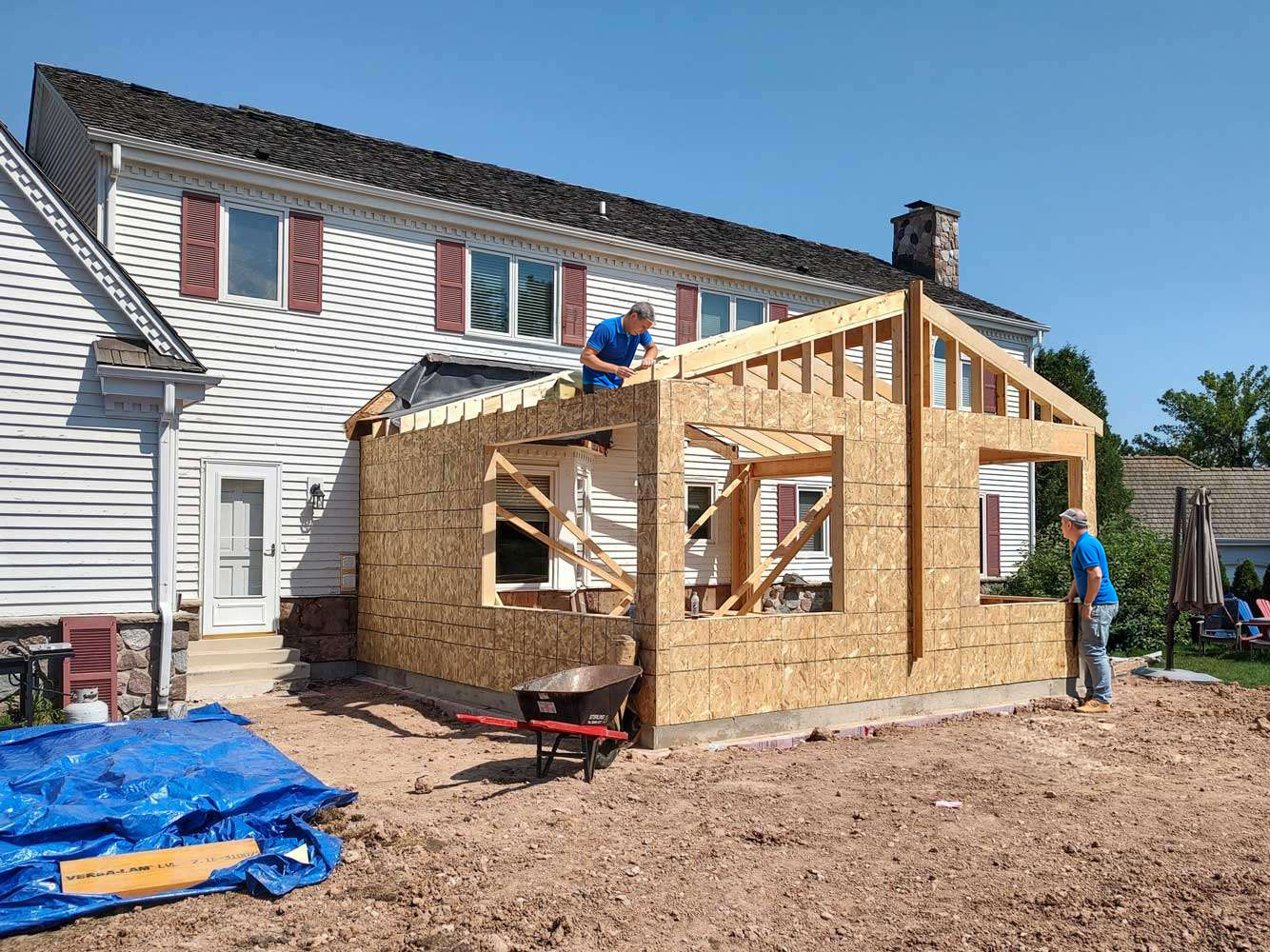
Home addition construction in Maryland with new framed extension attached to a house

Home Additions in Maryland: Spring Planning, Design Options, and How to Add Space Without Moving

Spring is one of the best times to plan a home expansion because homeowners can design and coordinate the project before peak-season schedules fill up. If your home feels tight, if your family needs more usable space, or if you want to increase long-term property value without relocating, home additions in Maryland are one of the most strategic upgrades you can make.

This article is built to strengthen your main service page: Home Additions — and to help homeowners understand what an addition really includes, how to choose the right type, and how to plan it professionally.

Why Home Additions Are a High-Value Upgrade

A home addition is not just construction — it is a lifestyle upgrade. It allows homeowners to gain space while keeping their current neighborhood, schools, commute, and community. A well-designed Home Additions project also improves the home’s usability and often strengthens resale appeal because the property gains real, functional square footage.

Homeowners typically consider additions when they need:

  • an extra bedroom or guest room

  • a larger kitchen or dining area

  • a home office or studio

  • a family room for daily comfort

  • a sunroom or expanded indoor-outdoor living area

When planned correctly, additions can feel like they “always belonged” to the home — not like an awkward extension.


What a Professional Home Addition Includes

A professional home addition is not just framing and drywall. A complete process typically includes:

  • layout planning and design alignment with the existing home

  • structural planning and build approach

  • coordination of trades (electrical, plumbing, HVAC if required)

  • material planning for durability and finish consistency

  • timeline management and jobsite execution

  • final finish work so the addition feels seamless

Because additions often involve multiple stages and specialists, many homeowners benefit from broader project coordination support through General Contractor Maryland.


Most Requested Types of Home Additions in Maryland

1) Bedroom Additions

A bedroom addition is one of the most common reasons homeowners search for Home Additions. It can be used for a growing family, a guest suite, or a private master bedroom upgrade.

2) Kitchen Expansions

A kitchen expansion is ideal when your kitchen feels cramped, lacks seating, or does not support modern family routines. Many homeowners combine an addition with a full interior redesign using Kitchen Remodeling to achieve a more open, functional kitchen.

3) Home Office Additions

A dedicated home office addition is one of the strongest post-remote-work upgrades because it creates real separation between home life and work life.

4) Sunrooms / Indoor-Outdoor Space

A sunroom addition gives homeowners a bright, comfortable space that feels connected to the outdoors while still protected from weather. This pairs naturally with exterior lifestyle upgrades like Decks & Porches Maryland.

5) Family Room or Living Room Additions

These additions create a larger daily living zone that improves comfort, hosting capacity, and overall home flow — often the “main lifestyle improvement” for families.


Home Addition vs. Remodeling: Which One Is Right?

A quick way to decide:

  • Remodeling improves or modernizes existing space without adding square footage

  • A Home Addition adds new square footage (new rooms, expanded layout, new usable area)

If your home’s size is the limiting factor, an addition is usually the correct choice. If the layout is the problem but the square footage is enough, remodeling may solve it.

In many cases, homeowners combine both:

  • addition for space

  • remodeling for function and style

That is why Full Home Remodeling can be the right next step when the addition is part of a wider property transformation.


Spring Planning: The Step-by-Step Home Addition Process

1) Define the goal

What problem are you solving? More space, better layout, better lifestyle flow?

2) Evaluate feasibility

A professional evaluation confirms what the home can support structurally and what layout choices make sense.

3) Set a realistic budget range

Include materials, labor, and a buffer for adjustments so decisions remain stable.

4) Align design with the existing home

The best additions match the home’s architecture, rooflines, and finishes so they look intentional.

5) Coordinate execution and finishes

Finishes matter. The addition should feel like part of the home — not a separate project.

When homeowners want proof of execution quality before starting, it’s smart to review a portfolio like Projects.


Common Home Addition Mistakes to Avoid

1) Designing only for today

A good addition should serve your lifestyle now and still make sense in 5–10 years.

2) Treating the addition as a separate building

Additions should blend into the home’s function and appearance.

3) Ignoring flow and circulation

A new room that disrupts circulation reduces the value of the space.

4) Skipping broader planning

If the addition is connected to kitchens, bathrooms, or basements, plan it as a unified project:

5) Not using proper project coordination

Additions often need multi-trade coordination, which is why General Contractor Maryland is a natural supporting service.


Home Additions in Maryland

If you want to gain space without moving and increase long-term value with a professional, well-managed build, explore Home Additions.

A well-planned addition can transform your home into a more functional, comfortable space — and spring is the right time to start before peak-season scheduling and timelines tighten.

Posted on Leave a comment

Restoration and Rebuild in Maryland: Water, Fire, Structural Damage & Recovery | H&C Construction

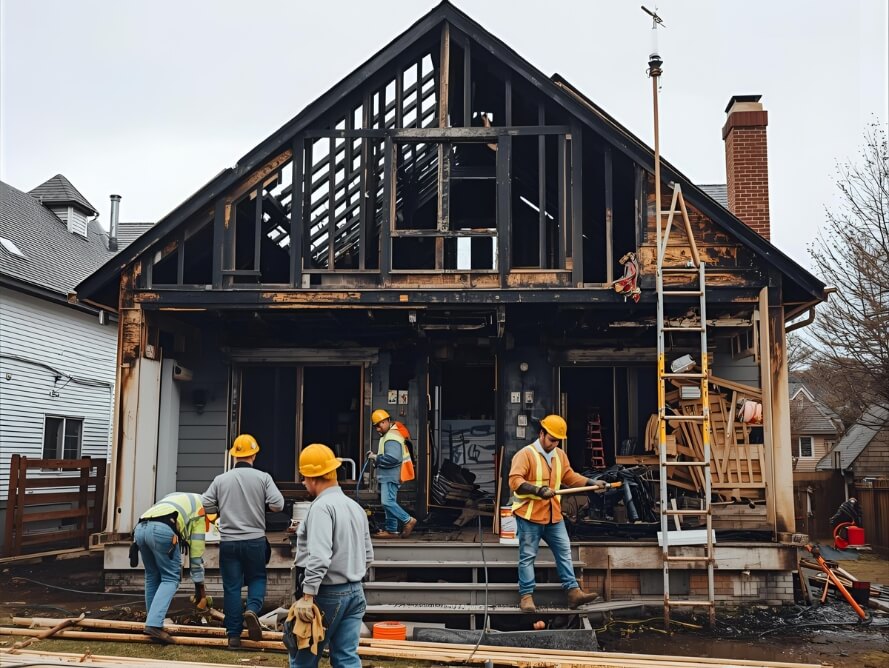
Fire damage reconstruction - reconstruction service

Restoration and Rebuild in Maryland: How Homeowners Can Recover the Right Way After Property Damage

Damage to a home can happen gradually or all at once. Some problems begin with moisture, hidden leaks, or structural wear. Others arrive suddenly through storms, flooding, fire, or major system failures. In all of these situations, the real question is not only how to repair the damage—it is how to recover the property in a way that protects safety, functionality, and long-term value.

That is where restoration and rebuild in Maryland becomes essential. A professional recovery process helps homeowners determine whether the property needs targeted restoration, full reconstruction, or a combination of both. When done correctly, the result is not just a repaired house—it is a stronger, more reliable home ready for long-term use.

If you need professional support, explore our service here:
👉 Restoration & Rebuild: https://hcconstructionllc.com/restoration-rebuild/


What “Restoration and Rebuild” Actually Means

Many homeowners use the words repair, restoration, and rebuild interchangeably, but they are not the same.

Restoration

Restoration focuses on returning damaged areas to a safe, functional, and visually acceptable condition. This may involve:

  • replacing damaged finishes

  • drying and repairing affected walls or floors

  • removing moisture-damaged materials

  • correcting localized issues before they spread

Rebuild / Reconstruction

Rebuild or reconstruction is required when damage is deeper or more structural. This may involve:

  • replacing framing or major wall sections

  • rebuilding rooms or systems after severe damage

  • structural reinforcement

  • larger-scale recovery work after fire, flooding, or long-term deterioration

A professional contractor evaluates which approach is appropriate based on severity, code requirements, and long-term stability.


The Most Common Reasons Homeowners Need Restoration or Rebuild Services

Water damage

Water is one of the most destructive issues a home can face because it spreads beyond what is visible. What starts as a leak can lead to:

  • damaged drywall

  • flooring failure

  • insulation deterioration

  • mold risk

  • weakened structure over time

Fire damage

Fire can affect more than the visibly burned areas. Heat, smoke, soot, and moisture from extinguishing efforts often create layered damage that requires careful planning and certified recovery steps.

Structural deterioration

Older homes or poorly maintained properties may develop problems such as:

  • weakening support systems

  • cracked walls or foundations

  • roof-related damage

  • long-term moisture deterioration

Storm and disaster impact

Severe weather can affect roofing, exterior walls, drainage systems, and structural integrity. Restoration must focus on both immediate repair and future protection.


Restoration vs. Rebuild: How to Know Which One Your Home Needs

One of the most important decisions after damage is determining whether restoration is enough—or whether rebuilding is the safer and more cost-effective long-term path.

Restoration may be appropriate when:

  • damage is localized

  • structure remains stable

  • moisture or smoke impact is limited

  • systems can be repaired safely

Rebuild may be necessary when:

  • framing or structure is compromised

  • repeated moisture exposure has weakened materials

  • fire damage affects systems and structural sections

  • code upgrades are needed due to the extent of the work

A professional evaluation helps avoid the mistake of making cosmetic repairs over deeper unresolved issues.


Why Fast Action Matters After Home Damage

The longer damage remains untreated, the more expensive and complicated recovery becomes.

Water damage left untreated can lead to:

  • hidden mold growth

  • warped floors

  • damaged insulation

  • air quality issues

Fire damage left untreated can lead to:

  • permanent odor penetration

  • soot contamination

  • corrosion of materials and systems

Structural issues left untreated can lead to:

  • wider cracking

  • framing instability

  • higher reconstruction cost later

Early professional action does not just “fix things faster”—it protects the scope of the project from getting worse.


The Right Way to Plan a Restoration and Rebuild Project

A strong restoration service in Maryland should begin with assessment, not assumptions.

Step 1: Damage evaluation

The contractor should identify:

  • visible and hidden damage

  • structural concerns

  • moisture or air quality risks

  • systems affected (electrical, plumbing, HVAC)

Step 2: Scope and recovery strategy

This defines whether work should focus on:

  • restoration only

  • partial reconstruction

  • full rebuild of affected zones

Step 3: Permits and code awareness

Depending on scope, restoration and rebuild may require:

  • structural permits

  • electrical or plumbing permits

  • inspections to ensure safe reuse of the space

Step 4: Execution and long-term protection

The goal is not only to restore appearance, but to improve durability, compliance, and long-term reliability.


Why Restoration and Rebuild Can Increase Long-Term Property Value

Although no homeowner wants to face serious damage, a professional restoration or rebuild can actually help restore and protect long-term home value when done correctly.

A well-executed project can:

  • remove hidden risk factors

  • replace damaged materials with stronger systems

  • modernize critical areas

  • improve safety and functionality

  • rebuild buyer confidence in the property’s condition

The difference is in the quality of the process. Superficial repairs may hide problems. Proper restoration protects the home as an asset.


When a General Contractor Matters in Restoration Projects

Restoration and rebuild projects often involve multiple trades and overlapping technical needs:

  • structural work

  • electrical systems

  • plumbing replacement

  • drywall and finishing

  • ventilation and moisture control

If the project scope is broad, it often benefits from licensed project oversight.
👉 General Contractor Maryland: https://hcconstructionllc.com/general-contractor-maryland/

In some cases, restoration work can also connect to:

These internal links help homeowners continue the improvement process after recovery.


Restoration and Rebuild in Maryland

Explore Professional Restoration and Rebuild Services

If your home has been affected by water, fire, structural damage, or long-term deterioration, explore our professional service here:

👉 https://hcconstructionllc.com/restoration-rebuild/

Posted on Leave a comment

Full Home Remodeling in Maryland: Planning, Permits, Budget & Long-Term Value I H&C Construction

Full Home Remodeling in Maryland: A Practical Guide for Homeowners Who Want Better Results

A full remodel is one of the biggest decisions a homeowner can make. When planned correctly, full home remodeling in Maryland can improve the way your property functions, feels, and performs for years. It can modernize outdated spaces, solve layout problems, increase comfort, and strengthen long-term home value. When approached without a real plan, however, a full remodel can quickly lead to cost overruns, delays, design inconsistencies, and expensive corrections.

This guide is built to help homeowners understand what full home remodeling actually involves, how to plan it strategically, and how to reduce the risk of mistakes before work begins. If you’re considering a whole-house renovation, this article will help you think more clearly about layout, permits, budgeting, and the role of a licensed contractor.

If you want to explore professional services directly, start here:
👉 Full Home Remodeling: https://hcconstructionllc.com/full-home-remodeling/


What Full Home Remodeling Really Means

A full home remodel in Maryland is more than updating paint colors or changing one room at a time. It usually means improving multiple areas of the home through a coordinated process that may include:

  • Reworking interior layouts

  • Upgrading kitchens and bathrooms

  • Replacing floors and finishes

  • Improving lighting and electrical systems

  • Updating plumbing elements where necessary

  • Improving storage, function, and daily circulation

  • Modernizing the aesthetic of the entire property

  • Coordinating permits, inspections, and trade scheduling

The main value of a full remodel is consistency. Instead of isolated upgrades that feel disconnected, a full home renovation creates a home that works together visually and functionally.


Why Homeowners Choose Full Home Remodeling Instead of Moving

Many homeowners reach a point where the house no longer fits their daily needs, but moving is not necessarily the best answer. A well-planned complete home remodeling project in Maryland can help you stay in the location you already value while solving the problems that make the home feel outdated or inefficient.

Better use of existing space

Many homes have underused areas, weak room flow, or outdated layouts. Remodeling allows you to improve how the home functions without giving up your neighborhood.

Higher long-term property value

When major spaces are upgraded professionally, the home becomes more attractive to future buyers and performs better in the market.

Lower disruption than starting over elsewhere

Moving often brings additional costs: closing fees, moving costs, taxes, and adaptation to a new area. Remodeling keeps you where you are while improving how you live.

More customization

A full remodel allows you to align the home with your real lifestyle, whether that means more open living space, improved storage, better lighting, or modern materials.


Step 1: Start With Goals, Not Materials

One of the most common remodeling mistakes is starting with finishes before defining the actual goals of the project. Before choosing tile, cabinets, or flooring, homeowners should answer these questions:

  • What feels frustrating about the home today?

  • Which spaces are least functional?

  • Are the problems aesthetic, structural, or layout-related?

  • What would make the house feel easier to live in every day?

  • Which improvements matter most over the next 5–10 years?

The strongest remodeling projects begin with priorities. Once those are clear, material and design choices become more strategic and more cost-effective.


Step 2: Decide Whether You Need Renovation, Remodeling, or Both

A lot of homeowners use “renovation” and “remodeling” as if they mean the same thing, but the difference matters.

Renovation

Usually means refreshing or upgrading existing spaces:

  • flooring replacement

  • paint and finishes

  • fixture updates

  • modernized surfaces

Remodeling

Usually means changing layout or function:

  • removing walls

  • redesigning kitchens

  • expanding bathrooms

  • reconfiguring circulation

  • structural adjustments

A full home project often includes both. Knowing which type of work is needed in each space helps define budget, permits, and timeline more accurately.


Step 3: Budget for the Whole System, Not Just the Visible Upgrades

In a whole house remodeling project, costs are not only driven by visible finishes. Budget must also account for:

  • preparation and demolition

  • structural adjustments

  • electrical/plumbing updates

  • permit requirements

  • material lead times

  • installation complexity

  • finishing consistency across spaces

The more spaces involved, the more important sequencing becomes. A realistic budget should include a contingency buffer so homeowners are not forced into rushed decisions during construction.


Step 4: Prioritize the Highest-Impact Spaces First

Some spaces have more impact than others in daily life and long-term value. In many homes, the highest-priority areas are:

Kitchen

The kitchen influences daily flow, storage, lighting, and family interaction. It is often the center of the home.
👉 Kitchen Remodeling: https://hcconstructionllc.com/kitchen-remodeling/

Bathroom

Bathrooms influence comfort, safety, and moisture performance. Upgrading them often improves both usability and resale perception.
👉 Bathroom Remodeling: https://hcconstructionllc.com/bathroom-remodeling/

Basement

A basement remodel can add functional square footage, office space, entertainment areas, or guest flexibility.
👉 Basement Remodeling: https://hcconstructionllc.com/basement-remodeling/

A strong full remodel often improves these areas as part of a single, coordinated plan.


Step 5: Permits, Coordination, and Why a Licensed General Contractor Matters

The bigger the project, the more important professional project management becomes. Full home remodeling often involves multiple trades, overlapping schedules, inspections, and technical decisions that homeowners should not have to manage alone.

A licensed general contractor in Maryland helps with:

  • permit coordination

  • trade sequencing

  • code compliance

  • budget and scope control

  • quality control during execution

  • reducing delays caused by poor scheduling

This is especially important when the remodel includes kitchens, bathrooms, structural changes, or basement work.
👉 General Contractor Maryland: https://hcconstructionllc.com/general-contractor-maryland/


Step 6: Create Design Consistency Across the Whole House

A full remodel should not feel like several unrelated projects stitched together. One of the biggest advantages of full home remodeling is that it lets you build visual and functional continuity across the property.

That means aligning:

  • flooring transitions

  • trim and finish style

  • lighting temperature and fixture logic

  • cabinet and countertop relationships

  • hardware consistency

  • paint palette flow from room to room

This type of consistency makes the home feel more intentional, more polished, and more valuable.


Common Mistakes to Avoid in Full Home Remodeling

1) Remodeling room by room without a master plan

This often creates visual inconsistency and repeated work.

2) Underestimating permit needs

Electrical, plumbing, layout, and structural changes may all trigger permit requirements.

3) Choosing finishes before solving functionality

A beautiful home that still works poorly is not a successful remodel.

4) Ignoring project sequencing

Wrong sequencing causes damage, wasted labor, and delays.

5) Hiring only on price

The cheapest quote often becomes the most expensive outcome if planning and execution are weak.


Why Full Home Remodeling Increases Long-Term Value

A professionally executed full home renovation in Maryland improves more than appearance. It also strengthens:

  • daily comfort

  • energy performance

  • flow and function

  • buyer confidence

  • resale competitiveness

A home that feels cohesive, updated, and well-maintained has stronger market perception than a home with scattered upgrades and unresolved issues.


Full Home Remodeling in Maryland

Explore Professional Full Home Remodeling Services

If you’re planning a large-scale renovation and want structured planning, professional coordination, and durable results, explore our full service here:

👉 https://hcconstructionllc.com/full-home-remodeling/

Posted on 1 Comment

Why Hiring a Licensed General Contractor in Maryland Matters for Remodeling | H&C Construction

Licensed general contractor in Maryland supervising a remodeling project

Why Hiring a Licensed General Contractor in Maryland Is Key to Your Project

Hiring a licensed general contractor in Maryland is one of the most important decisions you can make before starting a remodeling or construction project. Whether you’re upgrading a kitchen, renovating a bathroom, finishing a basement, or planning a larger renovation, licensing is more than a formality—it’s a signal of compliance, accountability, and professional responsibility.

A certified contractor operates under Maryland requirements, follows building and safety codes, and understands how to manage permits and inspections correctly. That means fewer delays, fewer risks, and fewer unexpected costs caused by mistakes or poor planning. In short: licensing protects the homeowner, the investment, and the long-term value of the property.

At H&C Construction, we approach every project with code-compliant execution, organized planning, and high-quality workmanship—so your remodel is delivered efficiently and built for lasting performance.


What “Licensed” Actually Protects You From (and Why It Matters)

Homeowners often find out too late that a “cheap contractor” can lead to expensive problems. A licensed contractor in Maryland typically provides:

  • Legal compliance (permits, required inspections, safety regulations)

  • Insurance coverage that protects your property in case of incidents

  • Professional accountability through contracts, scope documentation, and standards

  • Trade coordination that prevents scheduling conflicts and installation failures

In contrast, unlicensed work can expose homeowners to:

  • Failed inspections and rework

  • Non-compliant electrical/plumbing work

  • Poor structural planning

  • Hidden moisture or ventilation issues (especially in basements)

  • Cost overruns and timeline disruption

A licensed general contractor reduces risk through structure, process, and technical oversight.


How a Licensed General Contractor in Maryland Saves You Time and Money

Hiring a licensed general contractor in Maryland isn’t just about “who builds”—it’s about who manages the entire system behind the build. A professional contractor ensures that work is scheduled correctly, trades are coordinated efficiently, and materials are selected based on real-world performance—not guesswork.

1) Fewer Delays Through Planning and Scheduling

Most remodeling delays happen because the project has no real schedule. A general contractor creates the correct build order and coordinates teams so the job flows without stoppages.

2) Fewer Mistakes Through Trade Coordination

Projects that involve multiple trades (electrical, plumbing, drywall, carpentry, tile) fail when work isn’t sequenced properly. A general contractor avoids rework by keeping every stage aligned.

3) Better Budget Control Through Realistic Scoping

Licensed contractors define scope clearly, reduce surprise costs, and help homeowners avoid expensive “mid-project changes” caused by unclear planning.

4) Permit + Inspection Management

Permits aren’t optional in many cases. A licensed contractor understands what requires approval and ensures the project passes inspection—without last-minute panic.

At H&C Construction, we manage each stage—from planning and permits to final walkthrough—so the project stays organized, safe, and cost-controlled.


How Licensing Impacts the Most Common Remodeling Projects in Maryland

Many homeowners don’t realize how quickly a “simple upgrade” becomes a technical project once plumbing, electrical, ventilation, or structural changes are involved. That’s where a licensed general contractor becomes essential.

Kitchen Remodeling

Kitchen projects often involve:

  • electrical upgrades for appliances and lighting

  • plumbing changes for sinks/dishwashers

  • layout changes that affect workflow and storage

  • durable surface installations that must be leveled and aligned

If you’re planning a kitchen renovation, explore your options here:
Kitchen Remodeling Service: https://hcconstructionllc.com/kitchen-remodeling/

Bathroom Remodeling

Bathroom remodeling requires careful coordination because moisture and waterproofing mistakes can become expensive. A licensed contractor ensures:

  • plumbing is installed correctly

  • ventilation meets code requirements

  • tile and waterproof systems are properly executed

Explore professional bathroom renovation services here:
Bathroom Remodeling Service: https://hcconstructionllc.com/bathroom-remodeling/

Basement Remodeling

Basements have unique risks: moisture, insulation, ventilation, egress, and safe electrical distribution. A licensed contractor helps ensure your basement becomes a livable, code-compliant space—not just a finished-looking room.

Learn more here:
Basement Remodeling Service: https://hcconstructionllc.com/basement-remodeling/


How to Choose the Best Licensed Contractor in Maryland

Choosing the right contractor isn’t about choosing the cheapest estimate—it’s about choosing the team most capable of delivering safe, durable results with clear planning.

Here’s what homeowners should evaluate:

Verify Licensing + Insurance

A licensed general contractor should confirm legal operating requirements and provide proof of insurance coverage.

Review Portfolio and Comparable Projects

Don’t just look at pretty photos—look for projects similar to yours in scope: kitchens, bathrooms, basements, additions, full remodels.

Demand Clear Scope and Timeline

Reliable contractors provide realistic schedules, milestones, and a clear description of what is included.

Ask About Permits and Inspections

If a contractor avoids permit conversations, that’s a warning sign. A professional contractor should explain what is required and why.

Look for Communication and Organization

The best outcomes come from contractors who communicate clearly, document decisions, and keep the project organized from day one.

At H&C Construction, our clients choose us because we combine professionalism, project management, and quality execution—with a process that keeps everything controlled and clear.


Why a Licensed General Contractor Improves Long-Term Home Value

A remodel isn’t only about the visible finish—it’s about whether the work was done correctly behind the walls. Homebuyers and inspectors can spot problems fast: unsafe wiring, poor ventilation, plumbing issues, moisture signs, and non-permitted work can reduce resale value instantly.

A licensed general contractor protects your investment by:

  • ensuring code-compliant work

  • reducing long-term maintenance risks

  • increasing buyer confidence

  • delivering consistent finishing standards

That translates into stronger market appeal and a home that performs better long after the remodel is complete.


Work With a Licensed General Contractor in Maryland

If you’re planning a remodel or renovation, the most efficient path is to work with a licensed contractor who can plan, coordinate, and execute the project professionally.

Explore our General Contractor service here:
👉 https://hcconstructionllc.com/general-contractor-maryland/

If your project is specifically focused on one area, you can also explore:

Posted on Leave a comment

Kitchen Remodeling in Maryland: Planning, Costs, Layout & Materials Guide | H&C Construction

luxury kitchen remodeling in Maryland

Kitchen Remodeling in Maryland: A Homeowner’s Guide to Planning a High-Value Renovation

A kitchen remodel is one of the most visible and valuable upgrades you can make in your home. Done correctly, kitchen remodeling in Maryland improves daily functionality, modernizes the look of your space, and can strengthen long-term resale appeal. Done poorly, it becomes a budget drain—delayed timelines, uneven finishes, and expensive corrections caused by weak planning or poor workmanship.

This guide is designed to help Maryland homeowners make smarter decisions. You’ll learn how to plan your remodel, choose materials, design an efficient layout, and understand when permits and licensed contractors matter.

If you’re ready to plan a professional renovation, explore our service here:
👉 Kitchen Remodeling: https://hcconstructionllc.com/kitchen-remodeling/


What Kitchen Remodeling Really Includes (Beyond Cabinets and Countertops)

A professional kitchen remodel is not only about style—it’s a system. Kitchens involve heavy daily use, moisture exposure, heat, and electrical load. A quality project focuses on durability, safety, and practical flow.

A typical kitchen remodeling scope may include:

  • Layout updates (when needed) to improve workflow

  • Cabinet installation and storage optimization

  • Countertops and backsplash upgrades

  • Flooring replacement (water-resistant, durable materials)

  • Lighting planning (general + task + accent lighting)

  • Plumbing updates (sink, dishwasher, lines, valves)

  • Electrical upgrades (GFCI, circuits, appliances, lighting)

  • Ventilation improvements (range hood, airflow)

  • Finishing details that affect longevity (trim, transitions, sealing)

A strong remodel improves how the kitchen works—not just how it looks.


Step 1: Start With the Layout (The Most Expensive Mistake to Ignore)

Most kitchen problems come from layout issues: tight pathways, poor storage, bad lighting, or appliances placed without logic.

The “work triangle” rule (still useful)

A functional kitchen keeps efficient flow between:

  • Sink

  • Stove

  • Refrigerator

It doesn’t have to be perfect geometry—but movement should feel natural, not forced.

Common high-performing layouts

  • L-shaped: good for open kitchens, efficient movement

  • U-shaped: high storage/counter space, great for cooking focus

  • Galley: best for narrow spaces, efficient but needs good lighting

  • Open concept + island: great for entertaining, requires smart traffic planning

If you’re unsure whether you need layout changes or “cosmetic upgrades only,” talk with a contractor early—layout affects plumbing, electrical, and total cost.


Step 2: Choose Durable Materials That Match Daily Use

Your kitchen is one of the highest-traffic areas in the home. Material selection should match your real lifestyle (kids, pets, cooking frequency, maintenance preferences).

Countertops (performance-first choices)

  • Quartz: durable, low maintenance, consistent appearance

  • Granite: heat resistant, strong natural pattern, needs sealing

  • Porcelain/sintered surfaces: premium durability, modern style

Cabinets

Key quality markers:

  • solid box construction (not weak particle board)

  • soft-close hardware

  • good drawer slide systems

  • functional interior storage solutions

Flooring (Maryland-friendly logic)

  • Luxury vinyl (LVP): water resistant, durable, easy to clean

  • Porcelain tile: strong, long lifespan, excellent for heavy use

  • Engineered wood: stylish, but needs moisture-aware installation

The best material is the one you can maintain and that performs under real use conditions.


Step 3: Lighting Is Not Decoration—It’s Function

A kitchen without proper lighting feels smaller and less usable—even if the finishes are premium.

A strong kitchen lighting plan includes:

General lighting

Recessed lighting or ceiling fixtures to provide uniform brightness.

Task lighting

Under-cabinet LEDs to illuminate prep zones and reduce shadowing.

Accent / design lighting

Pendant lighting above islands or dining zones to add atmosphere and define the space.

If your kitchen has poor natural light, lighting upgrades alone can dramatically improve comfort.


Step 4: Permits and Code Compliance (What Homeowners Should Know)

Many kitchen remodels require permits, especially when changes involve:

  • electrical circuits

  • plumbing modifications

  • ventilation changes

  • structural changes (walls, beams, layout)

A licensed contractor helps ensure:

  • correct permit identification

  • proper inspections

  • code-compliant execution

This reduces risk, protects resale value, and prevents future legal and safety issues.

If your remodel is part of a larger renovation, you may also need broader oversight from a general contractor:
👉 General Contractor Maryland: https://hcconstructionllc.com/general-contractor-maryland/


Step 5: Avoid These High-Cost Kitchen Remodeling Mistakes

1) Choosing style over function

A kitchen must work. Storage, counter space, and flow come first.

2) Skipping surface preparation

Uneven floors, weak subfloors, and improper leveling cause long-term failures.

3) Underestimating electrical needs

Modern kitchens need proper circuits. Appliances and lighting must be planned safely.

4) Ignoring ventilation

Poor ventilation causes moisture issues, odors, and long-term material wear.

5) Hiring based only on the lowest quote

Low bids often hide missing scope, weak materials, or poor planning that increases costs later.


How Kitchen Remodeling Improves Home Value in Maryland

Kitchen upgrades influence buyer perception more than most other interior updates. A modern, functional kitchen can increase:

  • visual appeal

  • perceived maintenance quality

  • livability and comfort

  • competitive advantage in resale listings

Value is strongest when the remodel includes:

  • durable materials

  • consistent finishes

  • smart storage solutions

  • proper lighting

  • professional workmanship


When to Hire a Professional Contractor for Kitchen Remodeling

You should consider professional support if your remodel includes:

  • plumbing and electrical work

  • layout changes

  • structural changes

  • high-end finishes that require precision

  • a tight timeline and need for coordination

A contractor should provide:

  • clear scope and timeline

  • transparent estimate

  • quality material guidance

  • trade coordination

  • finishing and warranty standards


Kitchen Remodeling in Maryland

Explore Professional Kitchen Remodeling Services

If you’re planning a kitchen remodel and want durable results, professional planning, and high-quality finishes, explore our full service here:

👉 https://hcconstructionllc.com/kitchen-remodeling/

Posted on

Licensed General Contractor in Maryland for Basement Remodeling Projects

Basements Converted Into Home Offices


Why Hiring a Licensed General Contractor in Maryland Is Key to Your Project

Hiring a licensed general contractor in Maryland is essential to ensure the success of any construction or remodeling project—especially when the work involves structural planning, permits, and specialized trades such as a basement remodeling project. A certified professional not only has the necessary experience but also complies with state codes and legal requirements. This helps ensure your project is completed with high standards of quality, safety, and compliance, while reducing the risk of delays, rework, and extra costs.

In addition, a licensed contractor in Maryland provides important legal protections, including active insurance and valid licensing that protect both the homeowner and the work team. By choosing a certified professional, you gain reliable service, clearer contracts, better project oversight, and stronger accountability. At H&C Construction, we prioritize code-compliant execution, organized planning, and quality workmanship so your project is completed efficiently and with results that support long-term property value.

How a Licensed General Contractor in Maryland Can Save You Time and Money

Hiring a licensed general contractor in Maryland is one of the best ways to improve efficiency and protect your remodeling budget. A qualified contractor does more than supervise labor—they coordinate the entire project from planning and scheduling to materials and inspections. This level of organization is especially important in basement remodeling in Maryland, where moisture control, electrical work, insulation, and finishing details must be handled correctly.

Working with a licensed contractor also gives homeowners access to a professional network of suppliers and subcontractors, often resulting in better material selection and fewer installation mistakes. In addition, proper permit management and code compliance help avoid fines, delays, and failed inspections. At H&C Construction, we manage every stage—from early planning to final delivery—to provide a safe, efficient, and high-quality process that helps homeowners save time and avoid unnecessary costs.

Why Licensing Matters for Basement Remodeling in Maryland

Basement remodeling projects often involve more than cosmetic upgrades. Depending on the scope, the work may require electrical, plumbing, framing, insulation, ventilation, egress, and moisture-control solutions. That is why hiring a licensed general contractor in Maryland is especially important for basement projects: the contractor must understand how to coordinate technical requirements while ensuring compliance with local codes.

A licensed contractor helps homeowners avoid common basement remodeling problems such as:

  • Inadequate moisture protection or waterproofing

  • Improper ventilation and humidity control

  • Electrical work that does not pass inspection

  • Poor insulation or unsafe finishing materials

  • Layouts that do not meet safety or access requirements

With the right contractor, your basement can be transformed into a safe, functional, and attractive space—whether you want a family room, home office, gym, guest suite, or entertainment area.

How to Choose the Best Contractor for Basement Remodeling or Full Remodeling in Maryland

Choosing the right remodeling contractor in Maryland is a crucial decision for the success of your project. It is not only about finding someone with experience—it is about working with a contractor who can deliver professional project management, quality execution, and code-compliant results.

When comparing contractors, make sure to verify:

  • Active Maryland license and applicable certifications

  • Experience with basement remodeling and full home renovations

  • Portfolio of completed projects with similar scope

  • Client testimonials and local references

  • Clear estimates, timelines, and communication process

At H&C Construction, we combine years of experience with transparent and personalized project management, helping homeowners make informed decisions from the beginning. Whether your project is a basement remodel in Maryland or a broader renovation, we focus on durable results, organized execution, and long-term performance.

Clear Communication and Project Management: A Major Advantage of Hiring a Licensed Contractor

Clear and ongoing communication is a critical factor in successful remodeling. A reliable licensed general contractor in Maryland keeps homeowners informed, answers questions, and helps prevent misunderstandings that can lead to delays or unexpected costs. This is especially important in basement projects, where hidden conditions (such as moisture issues or outdated systems) may require adjustments during construction.

A professional contractor should provide:

  • A clear scope of work

  • Timeline expectations and milestones

  • Material guidance based on budget and use

  • Permit and inspection coordination (when required)

  • Progress updates and final walkthrough standards

At H&C Construction, we prioritize communication and planning so clients feel confident at every stage of the remodeling process.

Basement Remodeling in Maryland: Why the Right Contractor Makes a Difference

A finished basement can become one of the most valuable and versatile areas in your home—but only when the work is done correctly. Hiring a licensed contractor in Maryland helps ensure the basement remodeling project is completed with the right preparation, material selection, and technical coordination.

With a qualified contractor, homeowners can improve:

  • Safety and code compliance

  • Indoor comfort and usability

  • Moisture resistance and durability

  • Design consistency with the rest of the home

  • Long-term property value and market appeal

From planning and framing to finishes and final inspections, the right contractor helps turn an underused basement into a high-performing living space.

Benefits of Hiring a Licensed General Contractor in Maryland for Basement Projects

Code Compliance and Permit Coordination

A licensed general contractor in Maryland understands local regulations and handles permit requirements properly, helping avoid delays and legal issues.

Better Project Planning

Professional planning reduces scheduling conflicts, material waste, and costly rework—especially in multi-stage basement remodeling projects.

Higher-Quality Workmanship

Licensed contractors coordinate qualified trades and ensure the work meets professional standards for durability, safety, and finish quality.

Efficient Budget Control

An experienced contractor helps homeowners make smarter material and scope decisions, keeping the project aligned with budget goals.

Stronger Long-Term Value

A professionally executed basement remodel improves functionality, comfort, and resale appeal while protecting your investment.

How This Applies to Basement Remodeling Specifically

Basement remodeling is one of the projects where contractor quality has the greatest impact on final results. Unlike standard cosmetic updates, basements require attention to structural conditions, ventilation, waterproofing, insulation, and proper system integration. A licensed general contractor in Maryland helps ensure these details are addressed early—before they become expensive problems.

If your goal is to create a livable, attractive, and code-compliant basement, choosing a licensed contractor is not just a recommendation—it is a smart investment in performance, safety, and peace of mind.


Basement Remodeling in Maryland

Ready to Upgrade Your Basement with a Licensed Contractor?

If you’re planning a basement renovation, finishing project, or full basement transformation, explore our Basement Remodeling service page to learn how H&C Construction delivers safe, functional, and high-quality results throughout Maryland.

👉 https://hcconstructionllc.com/basement-remodeling/

Posted on

Licensed General Contractor in Maryland | Permits, Remodels & Renovations – H&C Construction

Why Hiring a Licensed General Contractor in Maryland Is Key to Your Project

Hiring a licensed general contractor in Maryland is one of the most important decisions you can make before starting a remodel, addition, or construction project. Licensing isn’t a formality—it’s a built-in protection system that reduces risk, improves quality, and ensures your project follows Maryland and county requirements.

A licensed contractor understands how to plan work that passes inspections, coordinates multiple trades correctly, and avoids the common problems that create delays and cost overruns. Whether you’re updating a kitchen, remodeling a bathroom, finishing a basement, or planning a full home renovation, working with a licensed professional increases the probability of a smooth timeline and a durable final result.


What “Licensed” Really Means in Maryland (and Why It Matters)

A licensed contractor in Maryland is held to professional standards that directly impact your project’s safety and long-term performance. Licensing typically signals:

  • Code-aware execution (so work is inspection-ready)

  • Proper scope documentation and contract clarity

  • Professional accountability and standardized processes

  • Safer jobsite practices and better trade coordination

Homeowners who skip licensing often face the opposite: incomplete work, failed inspections, hidden structural issues, and limited legal protection if something goes wrong. Choosing a licensed general contractor helps ensure the project is executed correctly from the beginning—avoiding expensive corrections later.


How a Licensed General Contractor in Maryland Saves You Time and Money

A general contractor’s value isn’t just in building—it’s in preventing mistakes before they happen. A licensed general contractor in Maryland helps control time and cost through disciplined project management.

Better planning = fewer delays

A licensed contractor schedules trades in the correct sequence (demolition → rough-in → inspections → finishes), reducing downtime and preventing rework caused by incorrect staging.

Strong supplier and subcontractor coordination

Licensed contractors typically have established relationships with vendors and specialists. This improves reliability, reduces sourcing mistakes, and ensures your materials arrive when they’re needed—not after the project stalls.

Less rework, fewer surprise costs

Poor planning creates expensive problems: wrong material orders, missed inspections, unapproved work, and finishing defects. A licensed contractor minimizes these risks and protects the budget by keeping the project aligned with code requirements and quality standards.


Permits, Inspections, and Compliance: The Hidden “Make-or-Break” Layer

Many remodeling projects require permits and inspections—especially when electrical, plumbing, ventilation, or structural changes are involved. A licensed general contractor in Maryland helps you avoid one of the most common homeowner failures: beginning work without the proper approvals.

A licensed contractor typically supports:

  • Identifying required permits based on project scope

  • Coordinating documentation and required details

  • Scheduling inspections at the correct phases

  • Ensuring the work remains compliant and resale-safe

This protects your project from delays, fines, and forced corrections—while ensuring the work can be approved and documented properly.


When You Should Call a Licensed General Contractor in Maryland

If your project includes any of these conditions, you should involve a licensed general contractor from the start:

  • Full home remodeling or multi-room renovations

  • Structural changes (removing walls, reconfiguring layouts)

  • Home additions (new rooms, expansions, second-story planning)

  • Basement finishing for livable use (bedrooms, bathrooms, studios)

  • Kitchens and bathrooms with plumbing/electrical modifications

  • Repairs after damage (water, fire, structural deterioration)

A licensed contractor gives you a unified plan and a supervised process that reduces risk and improves outcomes.


How to Choose the Right General Contractor in Maryland (Checklist)

Choosing the right contractor is about process, proof, and professionalism—not price alone. Use this checklist:

Verify licensing and active insurance

You want a contractor whose work is legally compliant and professionally protected.

Review real project examples

Look for kitchens, bathrooms, basements, additions, or full renovations that match your project type.

Ask about planning and sequencing

A strong contractor explains timeline phases, inspections, material lead times, and how trades are coordinated.

Require clear scope and communication

Professional contractors define scope, timelines, and change-order rules so the project stays transparent.

Confirm permit and inspection management

A licensed general contractor should understand how to keep your project inspection-ready from start to finish.


Why H&C Construction (Licensed General Contractor in Maryland)

At H&C Construction, we combine planning, craftsmanship, and compliance to deliver projects that are safe, durable, and professionally finished. We manage permits, trade coordination, timelines, and quality control—so your renovation is executed with clarity and long-term reliability.

Whether you’re planning a remodel, addition, or renovation, working with a licensed general contractor helps you protect your investment and reach a cleaner final result—with fewer surprises.


Work With a Licensed General Contractor in Maryland

Explore our general contractor service here:
https://hcconstructionllc.com/general-contractor-maryland/