Posted on Leave a comment

Home Additions in Maryland: Spring Planning, Permits, Costs & Design Ideas

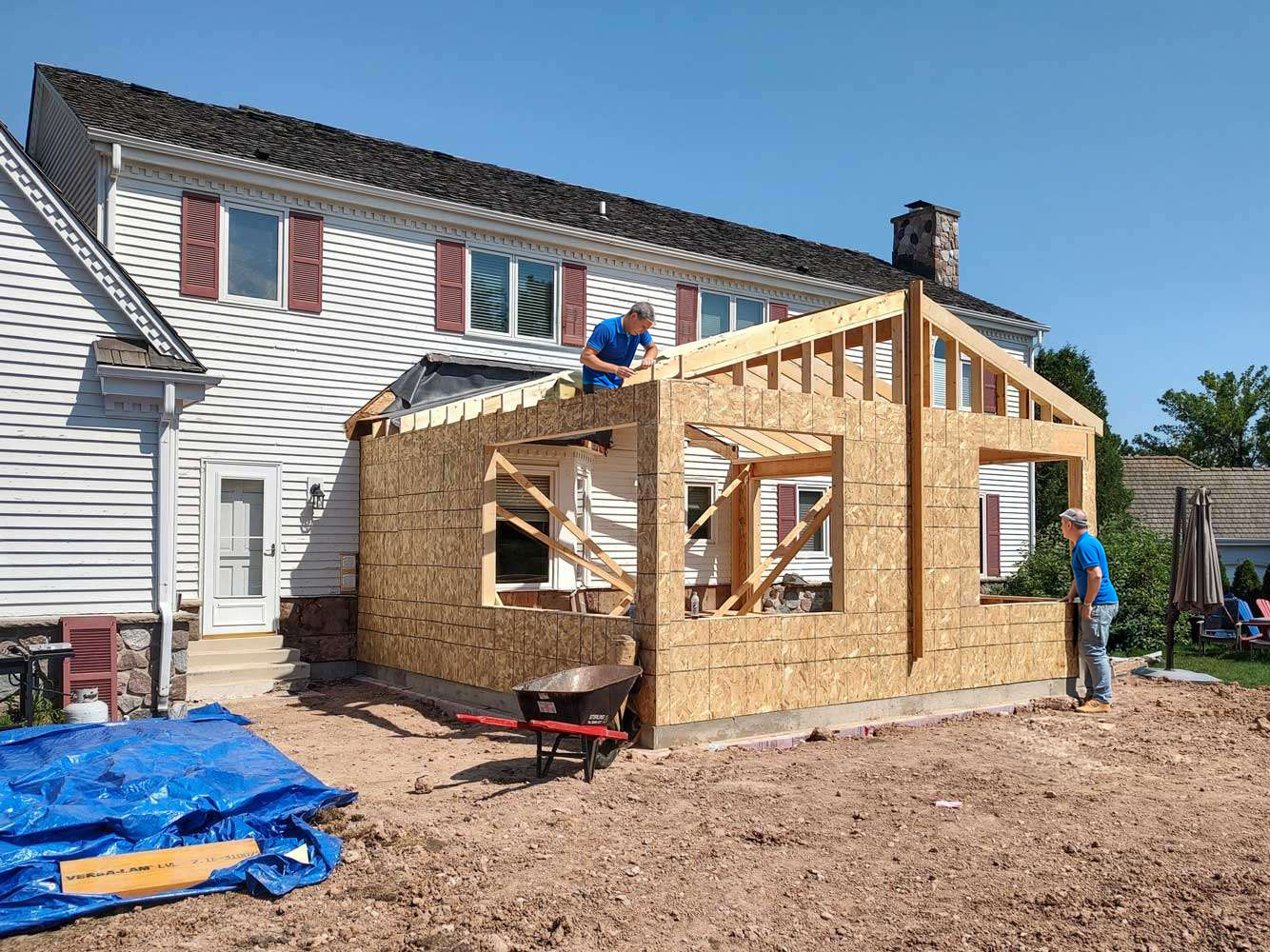
Home addition construction in Maryland with new framed extension attached to a house

Home Additions in Maryland: Spring Planning, Design Options, and How to Add Space Without Moving

Spring is one of the best times to plan a home expansion because homeowners can design and coordinate the project before peak-season schedules fill up. If your home feels tight, if your family needs more usable space, or if you want to increase long-term property value without relocating, home additions in Maryland are one of the most strategic upgrades you can make.

This article is built to strengthen your main service page: Home Additions — and to help homeowners understand what an addition really includes, how to choose the right type, and how to plan it professionally.

Why Home Additions Are a High-Value Upgrade

A home addition is not just construction — it is a lifestyle upgrade. It allows homeowners to gain space while keeping their current neighborhood, schools, commute, and community. A well-designed Home Additions project also improves the home’s usability and often strengthens resale appeal because the property gains real, functional square footage.

Homeowners typically consider additions when they need:

  • an extra bedroom or guest room

  • a larger kitchen or dining area

  • a home office or studio

  • a family room for daily comfort

  • a sunroom or expanded indoor-outdoor living area

When planned correctly, additions can feel like they “always belonged” to the home — not like an awkward extension.


What a Professional Home Addition Includes

A professional home addition is not just framing and drywall. A complete process typically includes:

  • layout planning and design alignment with the existing home

  • structural planning and build approach

  • coordination of trades (electrical, plumbing, HVAC if required)

  • material planning for durability and finish consistency

  • timeline management and jobsite execution

  • final finish work so the addition feels seamless

Because additions often involve multiple stages and specialists, many homeowners benefit from broader project coordination support through General Contractor Maryland.


Most Requested Types of Home Additions in Maryland

1) Bedroom Additions

A bedroom addition is one of the most common reasons homeowners search for Home Additions. It can be used for a growing family, a guest suite, or a private master bedroom upgrade.

2) Kitchen Expansions

A kitchen expansion is ideal when your kitchen feels cramped, lacks seating, or does not support modern family routines. Many homeowners combine an addition with a full interior redesign using Kitchen Remodeling to achieve a more open, functional kitchen.

3) Home Office Additions

A dedicated home office addition is one of the strongest post-remote-work upgrades because it creates real separation between home life and work life.

4) Sunrooms / Indoor-Outdoor Space

A sunroom addition gives homeowners a bright, comfortable space that feels connected to the outdoors while still protected from weather. This pairs naturally with exterior lifestyle upgrades like Decks & Porches Maryland.

5) Family Room or Living Room Additions

These additions create a larger daily living zone that improves comfort, hosting capacity, and overall home flow — often the “main lifestyle improvement” for families.


Home Addition vs. Remodeling: Which One Is Right?

A quick way to decide:

  • Remodeling improves or modernizes existing space without adding square footage

  • A Home Addition adds new square footage (new rooms, expanded layout, new usable area)

If your home’s size is the limiting factor, an addition is usually the correct choice. If the layout is the problem but the square footage is enough, remodeling may solve it.

In many cases, homeowners combine both:

  • addition for space

  • remodeling for function and style

That is why Full Home Remodeling can be the right next step when the addition is part of a wider property transformation.


Spring Planning: The Step-by-Step Home Addition Process

1) Define the goal

What problem are you solving? More space, better layout, better lifestyle flow?

2) Evaluate feasibility

A professional evaluation confirms what the home can support structurally and what layout choices make sense.

3) Set a realistic budget range

Include materials, labor, and a buffer for adjustments so decisions remain stable.

4) Align design with the existing home

The best additions match the home’s architecture, rooflines, and finishes so they look intentional.

5) Coordinate execution and finishes

Finishes matter. The addition should feel like part of the home — not a separate project.

When homeowners want proof of execution quality before starting, it’s smart to review a portfolio like Projects.


Common Home Addition Mistakes to Avoid

1) Designing only for today

A good addition should serve your lifestyle now and still make sense in 5–10 years.

2) Treating the addition as a separate building

Additions should blend into the home’s function and appearance.

3) Ignoring flow and circulation

A new room that disrupts circulation reduces the value of the space.

4) Skipping broader planning

If the addition is connected to kitchens, bathrooms, or basements, plan it as a unified project:

5) Not using proper project coordination

Additions often need multi-trade coordination, which is why General Contractor Maryland is a natural supporting service.


Home Additions in Maryland

If you want to gain space without moving and increase long-term value with a professional, well-managed build, explore Home Additions.

A well-planned addition can transform your home into a more functional, comfortable space — and spring is the right time to start before peak-season scheduling and timelines tighten.
Posted on Leave a comment

Licensed General Contractor in Maryland: Permits, Planning & Remodeling Success

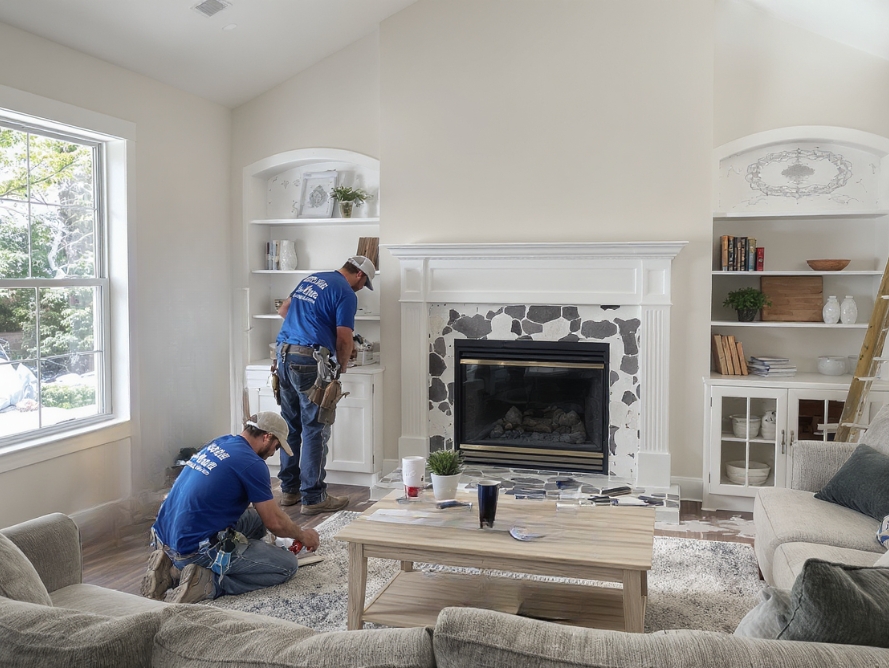
Licensed general contractor in Maryland supervising a remodeling project

Licensed General Contractor in Maryland: Permits, Planning, and Remodeling Done Right

Hiring a licensed general contractor in Maryland is one of the smartest decisions you can make before starting any construction or remodeling project. When projects involve multiple trades, strict timelines, and local code requirements, professional coordination is what separates a smooth, high-quality result from delays, cost overruns, and rework.

At H&C Construction, we manage residential remodeling and construction with a structured process: clear planning, correct sequencing, permit-ready execution when required, and consistent quality control. If you want your project done safely and professionally, start here: General Contractor Maryland.


Why a Licensed General Contractor Matters in Maryland

A licensed contractor is not just a label—it’s accountability, experience, and compliance. A licensed general contractor in Maryland is responsible for managing the project correctly and ensuring work is performed with professional standards.

Working with a licensed contractor helps homeowners avoid common risks such as:

  • unsafe workmanship and failed inspections

  • poor scheduling that causes delays

  • inconsistent quality across trades

  • hidden costs caused by weak planning

  • permit issues that stop progress mid-project

If your remodel includes kitchens, bathrooms, basements, additions, or a whole-house renovation, working with a licensed contractor is the safest way to protect your budget and results.


What a General Contractor Handles for You

A professional general contractor coordinates the entire workflow so you don’t have to manage multiple crews, deliveries, and schedules alone.

A full-service general contractor typically manages:

  • project planning and scheduling

  • trade coordination (carpenters, electricians, plumbers, etc.)

  • material sequencing and delivery timing

  • quality control and site supervision

  • permit and inspection coordination when required

  • final punch list and project closeout

For homeowners who want one team to manage the full process, the right starting point is: General Contractor Maryland.


High-Value Projects a General Contractor Manages in Maryland

Kitchen Remodeling

Kitchen remodels require planning around cabinetry, countertops, flooring, lighting, plumbing, appliances, and ventilation. This is why many homeowners prefer contractor-led execution instead of juggling multiple trades.

If your goal is a modern, functional kitchen with professional finishes, see: Kitchen Remodeling.

Bathroom Remodeling

Bathrooms require moisture-smart materials, correct ventilation planning, and precise plumbing and tile execution. A general contractor ensures everything is installed correctly, safely, and consistently.

If you want a modern, durable bathroom built for long-term use, see: Bathroom Remodeling.

Basement Remodeling

Basements demand careful planning for lighting, insulation, layout, moisture control, and usability. Contractor supervision prevents mistakes that can lead to humidity issues, poor finishes, or wasted space.

If you want to convert your basement into a real living space, see: Basement Remodeling.

Home Additions

Home additions require structural planning, design alignment with the existing house, and trade coordination for electrical, HVAC, and finishing work. A general contractor ensures the addition integrates naturally into your home.

If your priority is gaining space without moving, see: Home Additions.

Full Home Remodeling

Whole-house renovations require strict sequencing and consistent quality across multiple rooms. Contractor coordination is essential to keep the project organized and to avoid disruptions that create delays and unnecessary expenses.

If your home needs a complete transformation, see: Full Home Remodeling.


How a Licensed Contractor Helps You Avoid Delays and Cost Overruns

Most remodeling delays come from poor planning and weak coordination. A licensed general contractor reduces risk by managing:

  • correct trade order (so work isn’t repeated)

  • material timing (so crews don’t pause)

  • quality checks (so mistakes are caught early)

  • scope clarity (so decisions stay stable)

When the project is organized from the start, homeowners spend less time reacting to problems and more time moving toward a finished result.


How to Choose the Right General Contractor in Maryland

Before hiring a contractor, homeowners should look for professionalism—not just price.

A reliable contractor should provide:

  • clear scope definition and communication

  • real experience with similar projects

  • organized timelines and expectations

  • quality materials and finishing standards

  • consistent supervision and accountability

If you want to see real execution and proof of work quality, review: Projects.


Licensed General Contractor in Maryland

If you’re planning a remodeling project and want professional coordination, durable finishes, and reliable execution, work with a team that manages the process from start to finish.

Start here: General Contractor Maryland