

The 24-Hour Homeowner Playbook (What to Document, Who to Call, and How to Rebuild Correctly)
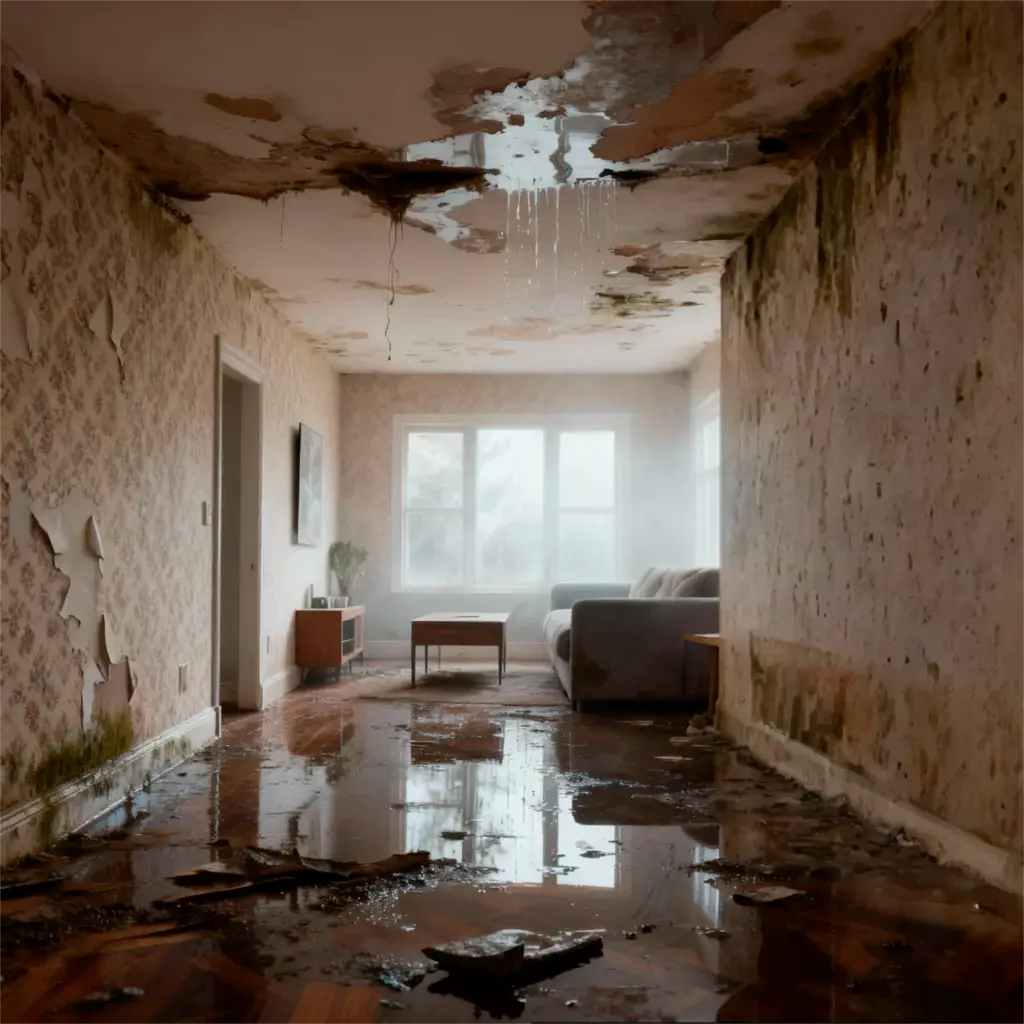
Maryland homeowners just went through a high-risk severe weather window this week, including a State of Preparedness announced ahead of widespread severe storms. If your home took damage—roof leaks, siding loss, fallen trees, water intrusion—the next 24 hours determine whether repairs stay manageable or become expensive rework.
This guide is built to help homeowners act fast, protect their property value, and rebuild the right way with a licensed contractor.
Service page (rebuild + restoration): https://hcconstructionllc.com/restoration-rebuild/
Project coordination: https://hcconstructionllc.com/general-contractor-maryland/
Step 1: The First 30 Minutes — Stop Secondary Damage
Storm damage gets worse when water keeps moving.
Do immediately (safe actions only):
Shut off water if you suspect a broken line or active leak
Move valuables away from wet areas
Place buckets/towels where dripping is active
If safe, tarp exposed areas temporarily (or call for emergency protection)
If moisture enters materials and stays there, mold and structural deterioration can accelerate quickly. Industry standards like IICRC S500 exist specifically because drying and restoration need to follow controlled procedures—not guesswork.
If water is inside the home: start here → https://hcconstructionllc.com/restoration-rebuild/
Step 2: The Next 2 Hours — Document Like an Insurance Adjuster
Your goal: create a clean record before anything changes.
Capture:
Wide photos of every affected room + exterior elevations
Close photos of damage points (missing shingles, water lines, cracks, warped flooring)
A short video walkthrough with narration (“living room ceiling leak near window”)
A written list of damaged items and approximate values
Time/date notes (when discovered, when rain stopped, when mitigation began)
This documentation supports claims, contractor estimates, and permit scope.
Step 3: The Next 6 Hours — Decide If This Is Repair, Restore/Repair, or Rebuild
Most homeowners lose money by treating a rebuild like a “handyman patch job.”
If it’s minor repair:
Small isolated leak
No soaked insulation/drywall
No structural movement
No electrical contact with water
If it’s restore/repair scope:
When you’re reconstructing/restoring/replacing part of an existing building to correct damage, Montgomery County describes a restore/repair permit process and clarifies its limited scope.
If it’s rebuild scope:
Roof sections compromised
Water intrusion into walls/ceilings
Flooring cupping/warping across rooms
Basements taking on water
Multiple systems affected (electrical + drywall + insulation)
If you’re unsure, treat it as restore/repair until a contractor validates scope and the right permits.
Step 4: The Next 24 Hours — Get the Sequence Right (This Prevents Rework)
A correct rebuild sequence protects budget and timeline:
Emergency stabilization (stop active water entry)
Drying + controlled moisture removal (per professional restoration practices)
Assessment + scope definition (what must be removed, what can stay)
Permits + inspections (restore/repair vs larger scope)
Rebuild + finishes
When multiple trades are involved, the project runs best through a licensed GC who controls sequencing, quality, and compliance.
Coordination service: https://hcconstructionllc.com/general-contractor-maryland/
Common Storm Damage Scenarios and What They Usually Trigger
Roof leak → interior damage chain
A roof leak rarely stays “roof only.” It often becomes:
insulation saturation
drywall damage
paint bubbling and odor issues
If your repair touches multiple areas and you want end-to-end control, start here:
https://hcconstructionllc.com/general-contractor-maryland/
Basement water intrusion after storms
If water enters the basement, it’s often driven by drainage + pressure after heavy rain. When the scope becomes rebuild (drywall removal, flooring replacement, insulation), the work belongs in a restoration/rebuild plan.
Service: https://hcconstructionllc.com/restoration-rebuild/
Exterior structures damaged (porches, decks, railings)
Storm damage can loosen posts, railings, and stairs. If safety is impacted, treat it as structural and rebuild correctly.
Outdoor service: https://hcconstructionllc.com/decks-porches-maryland/
The “Avoid This” List (These Are the Mistakes That Kill ROI)
Painting over water stains instead of finding the moisture path
Replacing flooring while subfloor is still wet
Closing walls before drying is verified
Skipping permits where applicable (creates resale and inspection problems)
Hiring unlicensed shortcuts that fail later
When to Call H&C Construction
If your home suffered storm or water-related damage and you want a safe, documented, professionally managed rebuild:
Restoration & rebuild service: https://hcconstructionllc.com/restoration-rebuild/
General contractor coordination: https://hcconstructionllc.com/general-contractor-maryland/