
Home Additions in Maryland: Spring Planning, Design Options, and How to Add Space Without Moving
Spring is one of the best times to plan a home expansion because homeowners can design and coordinate the project before peak-season schedules fill up. If your home feels tight, if your family needs more usable space, or if you want to increase long-term property value without relocating, home additions in Maryland are one of the most strategic upgrades you can make.
This article is built to strengthen your main service page: Home Additions — and to help homeowners understand what an addition really includes, how to choose the right type, and how to plan it professionally.
Why Home Additions Are a High-Value Upgrade
A home addition is not just construction — it is a lifestyle upgrade. It allows homeowners to gain space while keeping their current neighborhood, schools, commute, and community. A well-designed Home Additions project also improves the home’s usability and often strengthens resale appeal because the property gains real, functional square footage.
Homeowners typically consider additions when they need:
an extra bedroom or guest room
a larger kitchen or dining area
a home office or studio
a family room for daily comfort
a sunroom or expanded indoor-outdoor living area
When planned correctly, additions can feel like they “always belonged” to the home — not like an awkward extension.
What a Professional Home Addition Includes
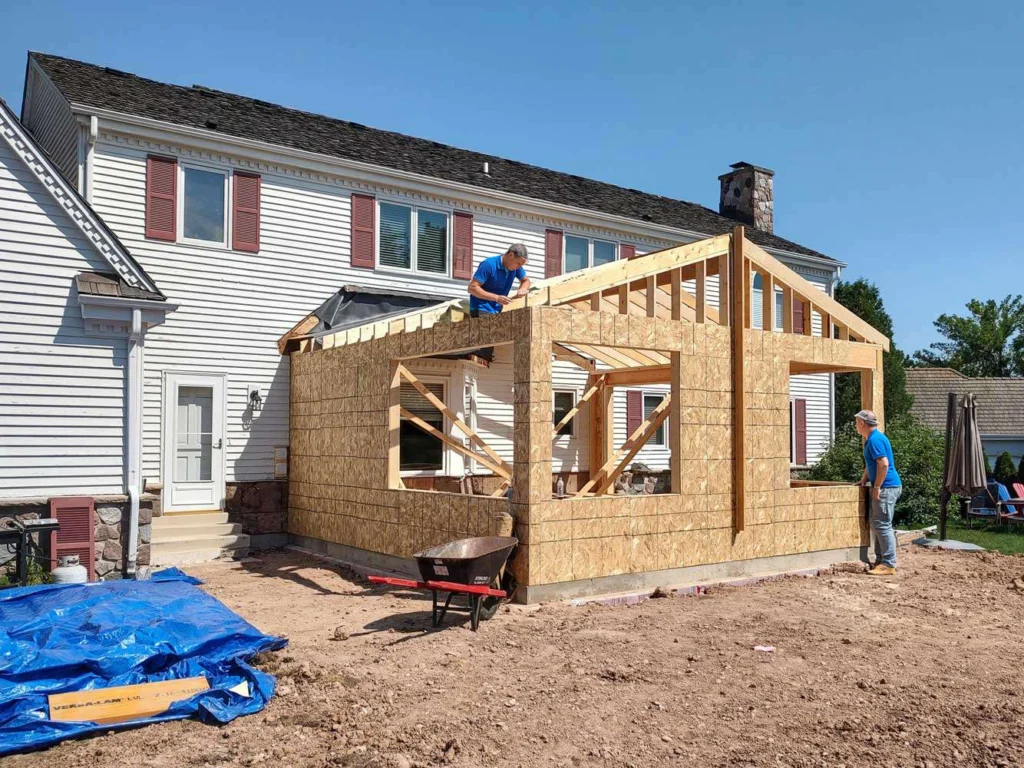
A professional home addition is not just framing and drywall. A complete process typically includes:
layout planning and design alignment with the existing home
structural planning and build approach
coordination of trades (electrical, plumbing, HVAC if required)
material planning for durability and finish consistency
timeline management and jobsite execution
final finish work so the addition feels seamless
Because additions often involve multiple stages and specialists, many homeowners benefit from broader project coordination support through General Contractor Maryland.
Most Requested Types of Home Additions in Maryland
1) Bedroom Additions
A bedroom addition is one of the most common reasons homeowners search for Home Additions. It can be used for a growing family, a guest suite, or a private master bedroom upgrade.
2) Kitchen Expansions
A kitchen expansion is ideal when your kitchen feels cramped, lacks seating, or does not support modern family routines. Many homeowners combine an addition with a full interior redesign using Kitchen Remodeling to achieve a more open, functional kitchen.
3) Home Office Additions
A dedicated home office addition is one of the strongest post-remote-work upgrades because it creates real separation between home life and work life.
4) Sunrooms / Indoor-Outdoor Space
A sunroom addition gives homeowners a bright, comfortable space that feels connected to the outdoors while still protected from weather. This pairs naturally with exterior lifestyle upgrades like Decks & Porches Maryland.
5) Family Room or Living Room Additions
These additions create a larger daily living zone that improves comfort, hosting capacity, and overall home flow — often the “main lifestyle improvement” for families.
Home Addition vs. Remodeling: Which One Is Right?
A quick way to decide:
Remodeling improves or modernizes existing space without adding square footage
A Home Addition adds new square footage (new rooms, expanded layout, new usable area)
If your home’s size is the limiting factor, an addition is usually the correct choice. If the layout is the problem but the square footage is enough, remodeling may solve it.
In many cases, homeowners combine both:
addition for space
remodeling for function and style
That is why Full Home Remodeling can be the right next step when the addition is part of a wider property transformation.
Spring Planning: The Step-by-Step Home Addition Process
1) Define the goal
What problem are you solving? More space, better layout, better lifestyle flow?
2) Evaluate feasibility
A professional evaluation confirms what the home can support structurally and what layout choices make sense.
3) Set a realistic budget range
Include materials, labor, and a buffer for adjustments so decisions remain stable.
4) Align design with the existing home
The best additions match the home’s architecture, rooflines, and finishes so they look intentional.
5) Coordinate execution and finishes
Finishes matter. The addition should feel like part of the home — not a separate project.
When homeowners want proof of execution quality before starting, it’s smart to review a portfolio like Projects.
Common Home Addition Mistakes to Avoid
1) Designing only for today
A good addition should serve your lifestyle now and still make sense in 5–10 years.
2) Treating the addition as a separate building
Additions should blend into the home’s function and appearance.
3) Ignoring flow and circulation
A new room that disrupts circulation reduces the value of the space.
4) Skipping broader planning
If the addition is connected to kitchens, bathrooms, or basements, plan it as a unified project:
5) Not using proper project coordination
Additions often need multi-trade coordination, which is why General Contractor Maryland is a natural supporting service.
Home Additions in Maryland
If you want to gain space without moving and increase long-term value with a professional, well-managed build, explore Home Additions.
A well-planned addition can transform your home into a more functional, comfortable space — and spring is the right time to start before peak-season scheduling and timelines tighten.