A Spring Budget Guide for Kitchens, Bathrooms, Basements, Additions & Full Renovations
If you’re planning remodeling in Maryland, the biggest question is usually not “what style do I want?” — it’s “how much will this really cost, and how do I plan it without surprises?” Spring is the strongest time of year to do this planning because homeowners can lock scope, design, and timelines before peak-season scheduling gets tight.
This guide is designed to help you plan your remodeling budget with clarity and build a smart path to execution. If you want a team to coordinate your project from planning to delivery, start here:
https://hcconstructionllc.com/general-contractor-maryland/
1) The Biggest Factor in Remodeling Cost: Scope (Not Materials)
Most homeowners assume materials are the main cost driver. In reality, the largest cost swings come from scope and complexity, especially when projects include:
layout changes (moving walls, changing flow)
plumbing changes (moving fixtures, new lines)
electrical updates (new lighting plans, outlet changes, panels)
structural work (open concepts, additions, framing upgrades)
moisture issues (basements, older bathrooms, hidden damage)
Before you compare quotes, decide what kind of project you’re actually doing:
Update / Refresh: cosmetic + targeted upgrades
Partial Remodel: key components changed, layout mostly stays
Full Remodel: layout + systems + finishes, larger transformation
Addition / Expansion: structural expansion, new square footage
If your remodel touches multiple trades, the cleanest and safest execution is managed through:
https://hcconstructionllc.com/general-contractor-maryland/
2) Kitchen Remodeling Budget Priorities (Where the Money Should Go)
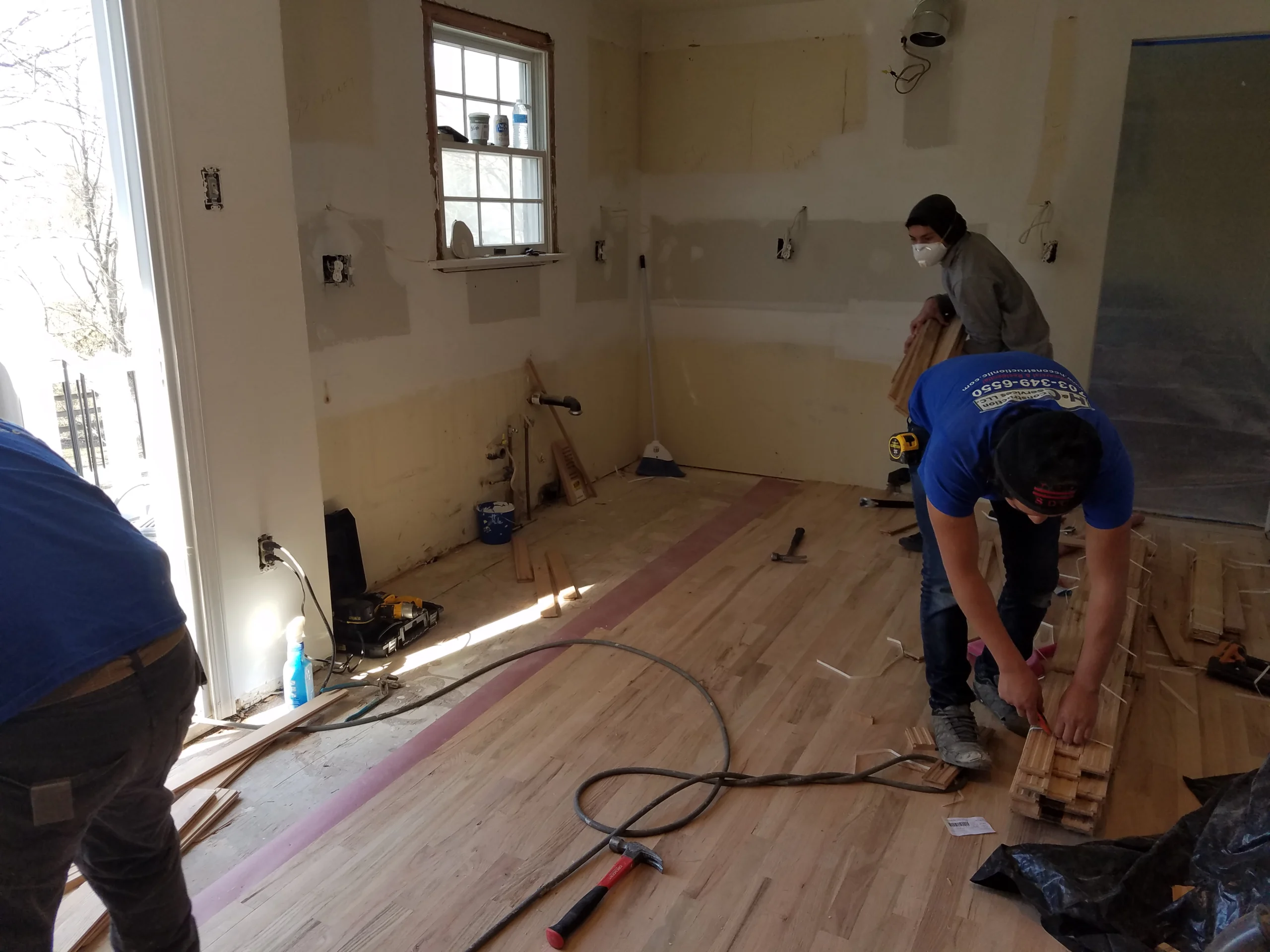
Kitchens are one of the most expensive spaces to remodel because they combine cabinets, appliances, plumbing, electrical, ventilation, and finishes.
Your budget should prioritize:
cabinetry quality + functional storage
countertop durability
lighting design (task + ambient + focal)
correct installation and sequencing
flooring transitions if the kitchen connects to other spaces
If your kitchen is the main upgrade you’re planning this season, go here:
https://hcconstructionllc.com/kitchen-remodeling/
3) Bathroom Remodeling Budget Priorities (Moisture + Function First)
Bathrooms look simple—until the work begins. The cost difference between a “cheap remodel” and a professional one usually comes down to:
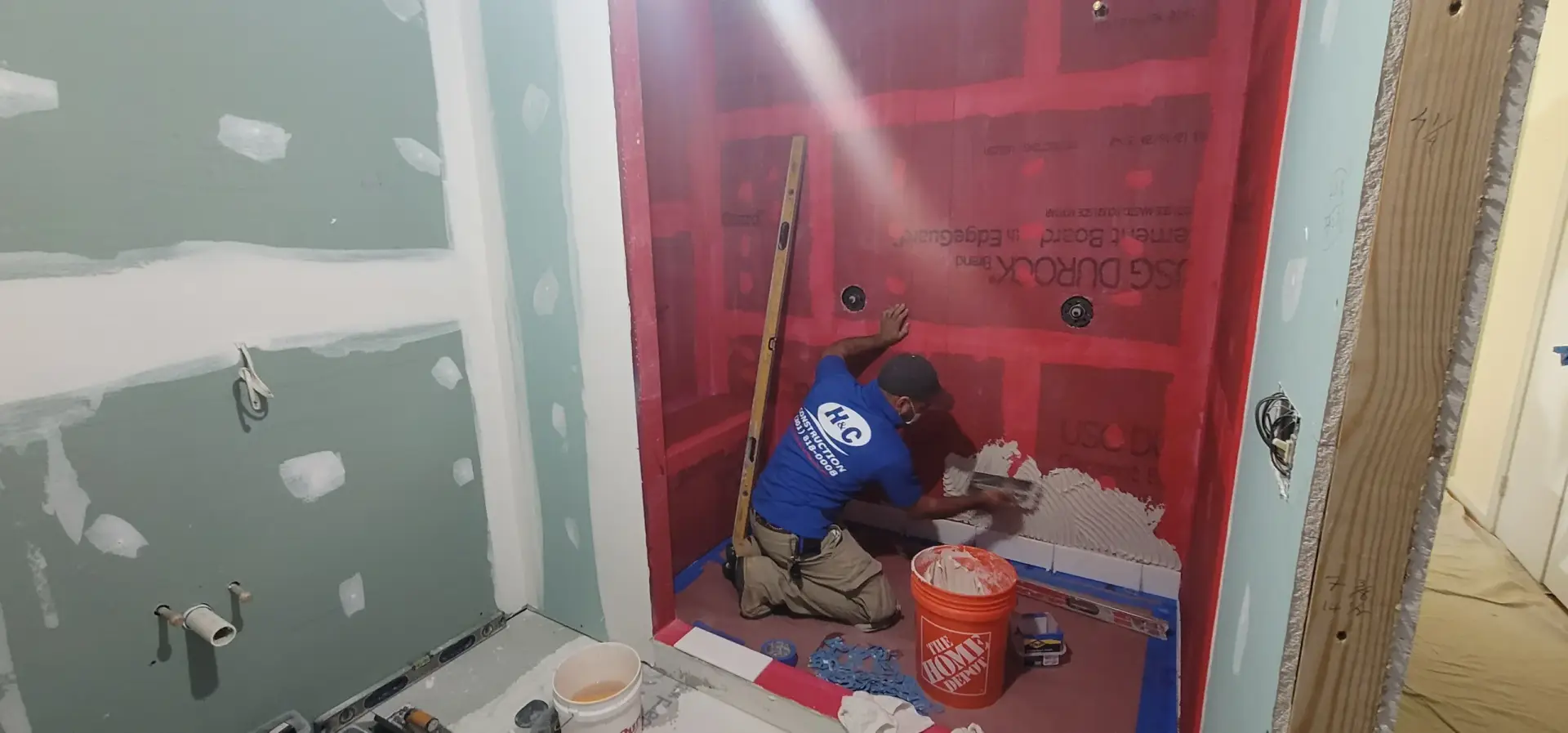
waterproofing details
ventilation improvements
plumbing scope (same location vs moved fixtures)
tile execution quality
durable fixtures and clean finishing
If your goal is a modern bathroom that performs long-term (not just looks good for photos), start here:
https://hcconstructionllc.com/bathroom-remodeling/
4) Basement Remodeling Budget Priorities (Moisture, Lighting, Layout)
Basement remodeling cost varies a lot because basements don’t behave like main-level rooms. If you finish a basement without moisture planning and proper materials, the long-term costs can become worse than the remodel itself.
Budget should prioritize:
moisture-smart flooring and wall systems
lighting that makes the basement feel “main level”
insulation and comfort improvements where needed
layout planning for functionality (office, family room, gym, guest area)
If a finished basement is part of your spring plan, start here:
https://hcconstructionllc.com/basement-remodeling/
5) Home Additions Budget Planning (New Square Footage = New Complexity)
Home additions can create the most value because they add real square footage, but they also involve structure, integration with the current home, permits, and multi-trade sequencing.
Budget drivers include:
foundation and framing
roofline integration
HVAC and electrical expansion
finishing consistency with the existing home
design decisions (bedroom, sunroom, family room, office, kitchen extension)
If you need more space without moving, explore:
https://hcconstructionllc.com/home-additions/
6) Full Home Remodeling Budget Planning (How to Avoid “Project Chaos”)
A full home remodel becomes expensive when it becomes disorganized. The biggest risks are:
starting demolition before decisions are finalized
changing materials late
upgrading one room without planning the rest
inconsistent finishes across the home
poor sequencing between trades
A whole-house project needs a plan that defines:
priorities and scope
phase sequencing (what gets done first and why)
finish consistency across rooms
decision deadlines (so schedules don’t break)
If your home needs a complete transformation, start here:
https://hcconstructionllc.com/full-home-remodeling/
7) The 5-Step Spring Budget Process That Works
Step 1 — Define the “must-haves”
What changes are required for function, safety, or lifestyle?
Step 2 — Define the “value upgrades”
What adds daily comfort and long-term value (lighting, storage, layout, durability)?
Step 3 — Choose the right service path
kitchen → /kitchen-remodeling/
bathroom → /bathroom-remodeling/
basement → /basement-remodeling/
addition → /home-additions/
whole house → /full-home-remodeling/
Step 4 — Align scope before construction starts
Most cost blow-ups come from scope changes after demolition.
Step 5 — Execute with one coordinated plan
If multiple rooms/trades are involved, the right foundation is contractor-level project management:
https://hcconstructionllc.com/general-contractor-maryland/
Remodeling Cost in Maryland: The Smartest Friday Move
If you want to generate leads today, this topic performs because it answers what buyers actually search for: cost + planning + next steps.
If your project is ready for professional guidance, start with the correct service page:
General coordination: https://hcconstructionllc.com/general-contractor-maryland/
Bathroom: https://hcconstructionllc.com/bathroom-remodeling/
Basement: https://hcconstructionllc.com/basement-remodeling/
Whole house: https://hcconstructionllc.com/full-home-remodeling/