Posted on Leave a comment

Bathroom Remodeling in Maryland: Design, Permits, Budget & Long-Term Value | H&C Construction

Bathroom Remodeling in Maryland

Bathroom Remodeling in Maryland: How to Plan a Better Bathroom for Comfort, Function, and Long-Term Value

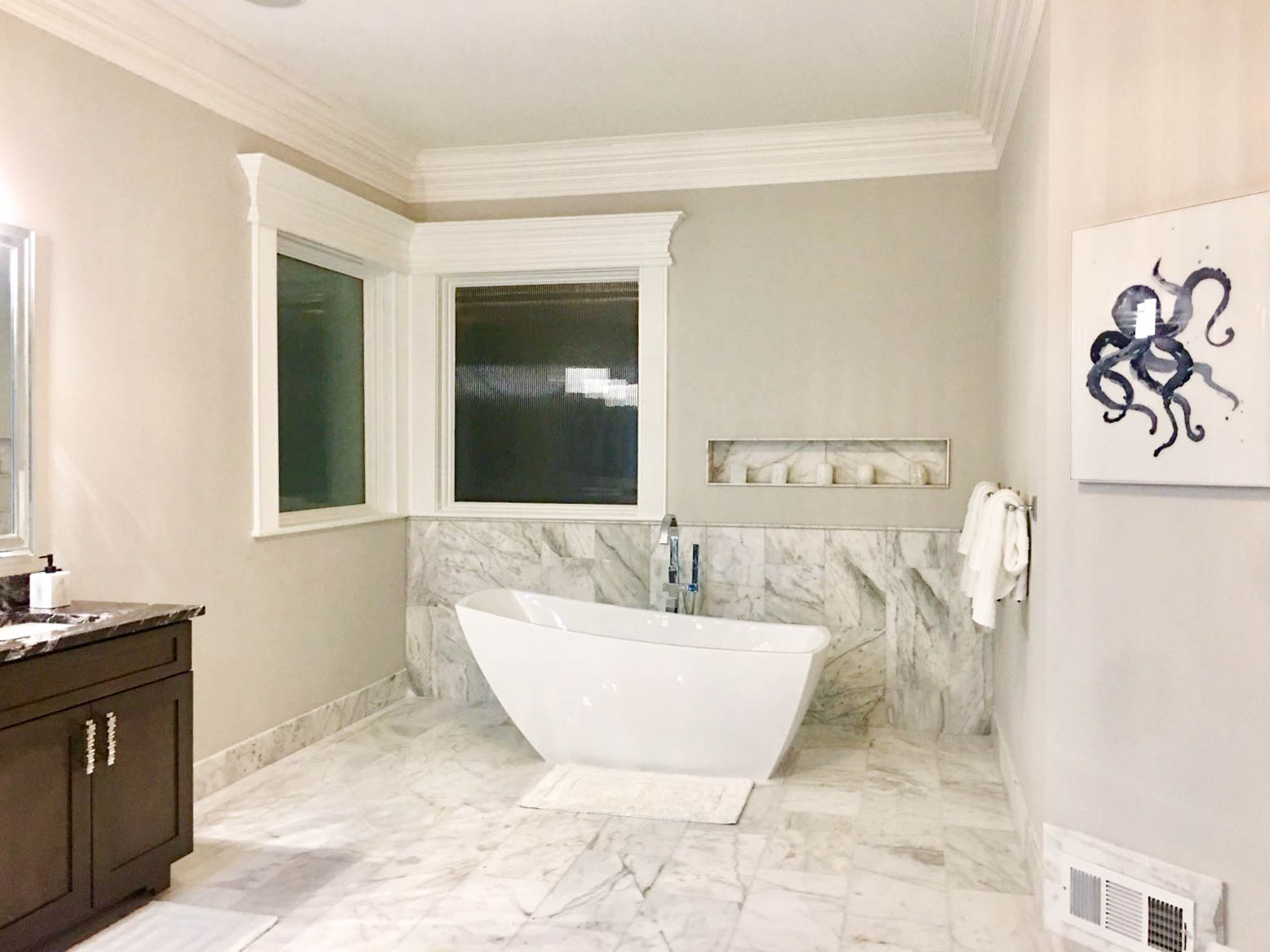
A bathroom is one of the most important spaces in any home because it affects comfort, organization, hygiene, and daily routine. When planned correctly, bathroom remodeling in Maryland can improve much more than appearance. It can make the space easier to use, increase storage, improve lighting and ventilation, and strengthen long-term property value. That is why homeowners who want a more functional and modern home often begin with Bathroom Remodeling.

A successful remodel is not only about replacing tile or installing a new vanity. It is about understanding how the room works, what materials will perform best over time, and how the bathroom connects to the rest of the house. A well-executed Bathroom Remodeling project helps homeowners solve layout issues, modernize finishes, and create a cleaner, more comfortable space designed for real daily use.

Why Bathroom Remodeling Is One of the Smartest Home Upgrades

Bathrooms are high-use areas, and even small design improvements can make a major difference. A better vanity layout, more efficient storage, updated lighting, improved ventilation, or a walk-in shower can all change the way a home feels. A professionally planned Bathroom Remodeling project also makes the home more attractive to future buyers because bathrooms strongly influence how updated and well-maintained a property appears.

A well-designed bathroom renovation can help homeowners:

  • improve layout efficiency

  • create better storage

  • modernize showers, tubs, vanities, and finishes

  • improve lighting and moisture performance

  • increase comfort and usability

  • strengthen resale appeal

Bathrooms also rarely stand alone as an isolated investment. In many homes, a bathroom project is connected to broader upgrades such as Kitchen Remodeling, Full Home Remodeling, or even Basement Remodeling when lower-level bathrooms or guest spaces are also being improved.

What Professional Bathroom Remodeling Actually Includes

A professional bathroom renovation should begin with planning, not demolition. Before choosing finishes, the most important step is understanding how the space is failing today and how it should perform after the remodel. A structured Bathroom Remodeling process commonly includes:

  • layout and design planning

  • shower or bathtub replacement

  • vanity and sink upgrades

  • tile and surface selection

  • better storage planning

  • lighting and mirror placement

  • ventilation improvements

  • plumbing and fixture coordination

  • finishing details that align with the home’s style

In many cases, bathroom remodeling also overlaps with work that affects adjacent rooms, flooring transitions, and larger renovation goals. That is why homeowners often benefit from working with a licensed team that can coordinate broader planning through General Contractor Maryland.

Start With Function: The Best Bathroom Remodels Solve Daily Problems

Many bathroom projects fail because they begin with style choices instead of functional priorities. A bathroom can look expensive and still feel frustrating every day if the layout, storage, and lighting remain weak.

Common bathroom problems include:

  • not enough storage

  • poor lighting at the mirror

  • outdated tub or shower configuration

  • weak ventilation

  • limited counter space

  • difficult-to-clean materials

  • inefficient circulation

  • aging fixtures and worn finishes

That is why the best Bathroom Remodeling projects start with practical questions:

  • Does the bathroom need a better shower, better storage, or both?

  • Is the room visually outdated, functionally inefficient, or both?

  • Would a walk-in shower improve daily comfort?

  • Is there enough lighting for real daily use?

  • Should this remodel match nearby upgrades such as Flooring or Full Home Remodeling?

The answers to those questions should drive the design much more than trends alone.

Walk-In Shower vs. Bathtub: Which Is Better for Your Home?

One of the biggest decisions in a bathroom remodel is whether to keep a bathtub, install a walk-in shower, or create a design that includes both. The best answer depends on space, family routine, and long-term goals.

Walk-in showers are often chosen because they:

  • improve accessibility

  • reduce visual heaviness

  • create a more modern look

  • make smaller bathrooms feel more open

Bathtubs may still make sense when:

  • the household has young children

  • soaking use matters

  • the home benefits from keeping at least one tub

  • the design goal includes a more traditional bathroom layout

A good Bathroom Remodeling project should match the bathroom to the way the household actually lives, not just to what looks popular online.

Bathroom Materials: What Homeowners Should Prioritize

Bathrooms are moisture-heavy environments, so materials must support long-term performance as well as style. The strongest projects use finishes that balance appearance, durability, ease of maintenance, and consistency with the rest of the house.

Important material priorities include:

  • moisture-resistant flooring

  • durable wall and shower surfaces

  • functional vanity materials

  • long-lasting fixtures

  • finishes that visually connect with the rest of the home

If the bathroom renovation also includes updating surface finishes across the house, it is smart to align the project with Flooring and broader spaces like Kitchen Remodeling so the property feels consistent rather than fragmented.

Why Bathroom Remodeling Should Be Connected to a Bigger Home Strategy

One of the biggest SEO and business advantages for your site is that bathroom remodeling naturally connects to several of your other services. That means this article should not only educate the reader — it should move them through your service ecosystem.

For example:

  • if a homeowner wants to modernize wet areas across the house, they may also need Kitchen Remodeling

  • if the bathroom project is part of a broader transformation, the logical next step is Full Home Remodeling

  • if the lower level includes an extra bathroom, guest suite, or entertainment area, Basement Remodeling becomes highly relevant

  • if multiple trades and permits are involved, General Contractor Maryland becomes an important supporting page

  • if the bathroom floor is being replaced along with other rooms, Flooring should also support the user journey

This is the type of internal-linking structure that strengthens the whole website while helping users move logically from one service need to another.

Common Bathroom Remodeling Mistakes to Avoid

1. Choosing style before function

A bathroom that looks better but still works poorly is not a successful remodel.

2. Ignoring storage

Storage is one of the most important parts of long-term bathroom functionality.

3. Underestimating ventilation and moisture

Bathrooms need strong material choices and proper ventilation to perform well.

4. Treating the bathroom as an isolated project

The strongest remodels align with surrounding services like Flooring, Kitchen Remodeling, and Full Home Remodeling.

5. Hiring without broader project awareness

If the remodel involves multiple trades or connects to larger structural goals, homeowners may need the support of General Contractor Maryland.

Bathroom Remodeling in Maryland

A well-planned bathroom remodel can improve comfort, storage, functionality, and long-term value. Whether the goal is a better shower, stronger storage, improved lighting, or a complete redesign, the best results come from structured planning, durable materials, and professional execution.

If you want to explore the main service page this article is built to strengthen, visit Bathroom Remodeling.
Posted on Leave a comment

Deck Construction in Maryland: Spring Planning, Permits, Materials & Design Ideas | H&C Construction

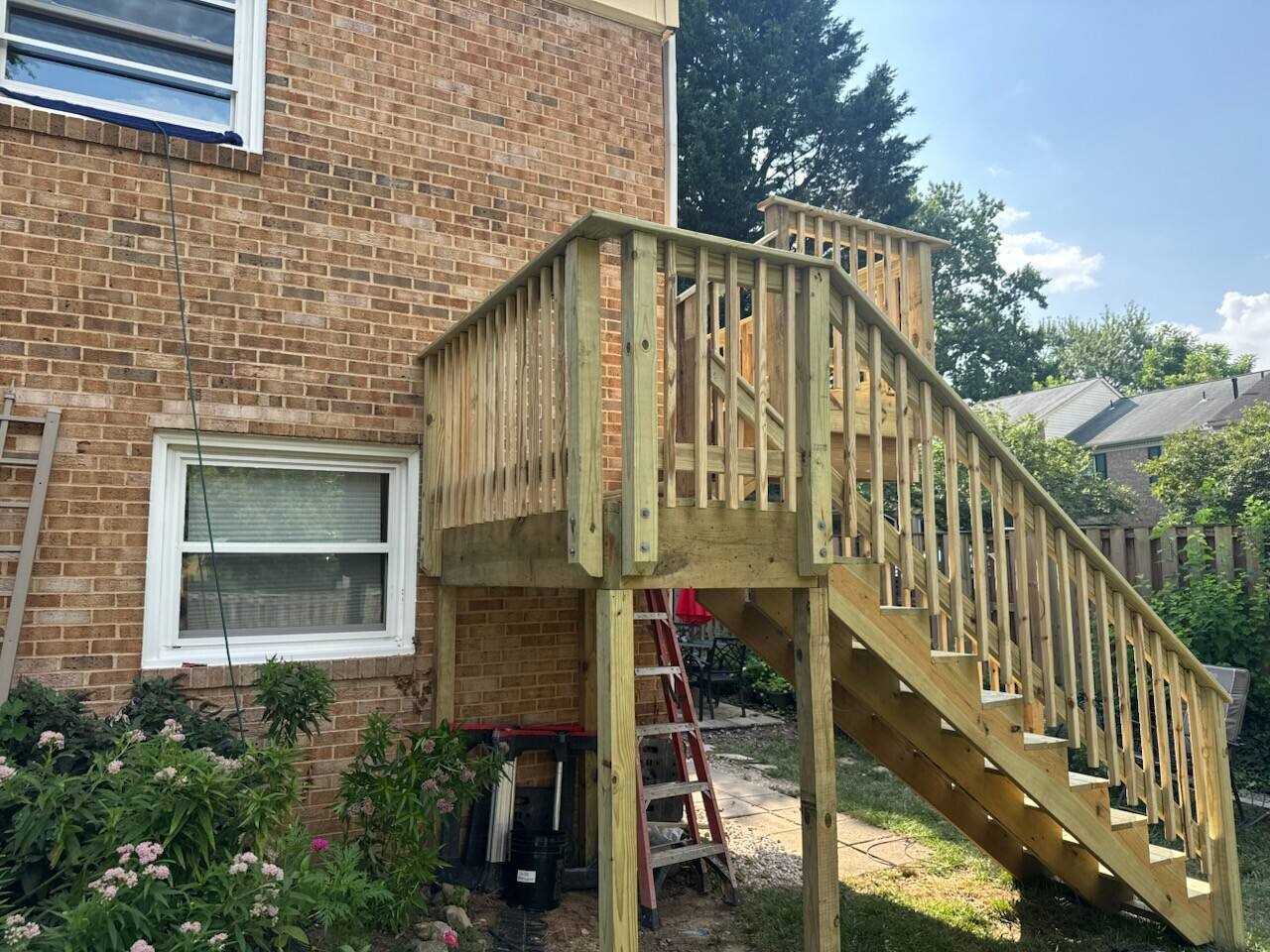
Custom wood deck construction with stairs at a brick home in Maryland

Spring Deck & Porch Planning in Maryland: Permits, Materials, Design Ideas, and How to Start Before Peak Season

Spring is one of the best times for homeowners to plan outdoor improvements that will actually be ready when warmer weather arrives. For many properties, that starts with a deck or porch. A professionally designed outdoor structure adds more than curb appeal. It creates usable space for relaxing, hosting, dining, and extending the comfort of the home beyond the interior walls. If you are already exploring professional outdoor upgrades, the main page this article is built to strengthen is Decks & Porches Maryland.

Planning early matters because deck construction is not just about choosing boards and railings. In Montgomery County, all decks require a building permit regardless of height above grade, and additional electrical permits may be required depending on the features included. Starting the process in spring gives homeowners more time to align design, materials, and approvals before the busiest outdoor season.

Why Deck Construction Is One of the Smartest Spring Home Upgrades

A deck or porch adds a new layer of function to a home. It can create an outdoor dining area, a lounge zone, a transition between indoor and backyard space, or even a stronger entertainment area for family gatherings. Unlike smaller cosmetic exterior updates, deck construction changes how the home is actually used.

A well-planned Decks & Porches Maryland project can help homeowners:

  • add usable outdoor living space

  • improve backyard flow and accessibility

  • create better entertaining areas

  • strengthen property appeal

  • support long-term home value

  • prepare the home for spring and summer use

This kind of project also connects naturally to broader home-improvement goals. For example, homeowners who are improving outdoor space often also consider Home Additions when they want a more permanent expansion of living area, or Full Home Remodeling if the outdoor update is part of a broader property transformation.

What Professional Deck Construction Actually Includes

A professional deck or porch project should begin with planning, not construction. Before any materials are ordered, the contractor should help define:

  • how the outdoor space will be used

  • whether the home needs a deck, porch, or more customized structure

  • what material type fits the climate and maintenance expectations

  • what structural and safety requirements apply

  • what permits and inspections may be required

In Montgomery County, the county’s residential deck guidance makes permit requirements explicit, and its published deck details also outline structural and guardrail rules, including that decks greater than 30 inches above grade require a guard.

A complete Decks & Porches Maryland service may include:

  • site evaluation

  • design and layout planning

  • structural planning

  • permit coordination

  • material selection

  • stairs and railing integration

  • lighting preparation

  • finishing details aligned with the home’s architecture

Because these projects often involve permitting, layout, code awareness, and trade coordination, they also connect naturally to General Contractor Maryland when broader planning support is needed.

Why Spring Is the Right Time to Start Planning

Homeowners often wait too long to start outdoor projects. By the time summer arrives, contractor schedules are tighter, permit timelines feel more urgent, and homeowners lose weeks of actual seasonal use. Spring planning helps avoid that problem.

Starting early allows time to:

  • evaluate the property correctly

  • compare design options

  • choose materials carefully

  • manage permits and inspections

  • complete work before peak outdoor use

This is especially important for decks and porches because they are lifestyle-driven projects. Homeowners do not just want them built — they want them ready when they are actually most useful.

Best Deck and Porch Types for Maryland Homes

Different properties call for different structures. The right choice depends on the home’s style, yard conditions, and how the homeowner wants to use the space.

Natural wood decks

Wood decks remain popular because they offer warmth and a traditional appearance that works well with many home styles. They are a strong choice for homeowners who prefer a classic outdoor look.

Composite decks

Composite decking is often chosen for durability and lower maintenance. It performs well for homeowners who want a long-lasting appearance with less ongoing upkeep.

Elevated or multi-level decks

Homes with sloped yards or layered outdoor areas often benefit from elevated or multi-level deck planning. These designs help define zones for dining, lounging, and circulation.

Covered porches

Porches create a stronger transition between indoor and outdoor living and can provide shade, weather protection, and a more architectural front or rear elevation.

A contractor should match the structure to the home, not force a generic design into the space.

How to Choose the Right Materials

Material choice affects not only appearance, but also maintenance, durability, and long-term satisfaction.

The most common material directions include:

  • natural wood for a more classic aesthetic

  • composite for lower-maintenance performance

  • PVC-based systems for moisture resistance and minimal upkeep

The right choice depends on:

  • sun exposure

  • moisture conditions

  • how often the space will be used

  • maintenance tolerance

  • budget priorities

If the project is part of a wider exterior or property improvement plan, it may also make sense to review Projects for visual proof of style and execution consistency.

How a Deck or Porch Should Connect to the Rest of the Home

One of the biggest mistakes homeowners make is treating the deck as a separate object instead of part of the property. The strongest projects feel integrated with the house.

That means the design should consider:

  • the architecture of the home

  • door access points

  • yard circulation

  • railing style

  • stairs and transitions

  • materials that visually connect to the property

This is also why some homeowners who begin with Decks & Porches Maryland later move into broader service needs such as Home Additions or Full Home Remodeling once they see how an upgraded outdoor space changes the overall experience of the home.

Common Deck and Porch Planning Mistakes to Avoid

1. Waiting too long to start

Spring planning is valuable because deck projects often involve design, permitting, and scheduling before construction even begins.

2. Ignoring permit requirements

In Montgomery County, all decks require a building permit, and some projects may also require electrical permits depending on included features.

3. Choosing materials based only on price

Outdoor structures must perform over time, so maintenance expectations and durability matter as much as initial cost.

4. Treating the project as purely decorative

A deck or porch changes how the home functions. The best designs prioritize usability, not only appearance.

5. Designing without broader property context

The best outdoor projects support the rest of the home. That is why internal service relationships matter, including General Contractor Maryland and Home Additions.

Deck Construction in Maryland

A well-planned deck or porch can add comfort, function, and long-term appeal to your home — especially when started early enough to be ready for the seasons when outdoor living matters most. Whether the goal is a backyard gathering area, a more elegant porch entrance, or a custom deck that expands usable space, the best results come from careful planning, durable materials, and professional execution.

To explore the main service page this article is built to strengthen, visit Decks & Porches Maryland.