Flooring in Maryland: How to Choose the Right Upgrade for Comfort, Durability, and Long-Term Value
Flooring is one of the most visible and most frequently used parts of any home. It affects how a room looks, how it feels underfoot, how easy it is to maintain, and how well it performs over time. When chosen and installed correctly, flooring in Maryland can improve daily comfort, refresh the style of a property, and strengthen long-term value. Flooring-related projects can also matter financially: NAR’s 2025 reporting highlighted especially strong resale recovery for hardwood floor refinishing (147%) and new wood flooring (118%).
For homeowners planning an upgrade, the challenge is not only choosing a material that looks good. The real goal is selecting flooring that fits the way the home is used, handles moisture and traffic correctly, and is installed with the right preparation. In Maryland, licensing also matters: the state notes that installing tile, wood, or other flooring requires MHIC licensing.
If you want to explore professional services directly, start here:
👉 Flooring: https://hcconstructionllc.com/flooring/
Why Flooring Is One of the Most Important Home Upgrades
A flooring project changes more than surface appearance. It influences comfort, maintenance, acoustics, and how updated a property feels overall. Because floors are used constantly, poor material choices or weak installation show up quickly through movement, wear, moisture problems, or visual inconsistency. NAR’s 2025 remodeling coverage specifically pointed to flooring work as one of the stronger value-retention categories at resale.
That is why flooring should be planned as a performance decision, not only a design decision. The right floor is the one that matches the room conditions, traffic level, moisture exposure, and maintenance expectations of the homeowner.
What Professional Flooring Service Actually Includes
A professional flooring project should begin with evaluation, not installation. The subfloor condition, moisture exposure, leveling needs, and transition details all affect long-term performance. In Maryland, because tile, wood, and other flooring installation fall within MHIC-regulated home improvement, contractor qualification is an important part of the process.
A complete flooring service in Maryland commonly includes:
inspection of the existing floor and subfloor
material recommendations based on room use
removal of damaged or outdated materials when needed
leveling or correction of uneven areas
professional installation
finishing details such as transitions and trim
guidance on maintenance and long-term care
This is what separates a durable flooring upgrade from a project that looks good only in the short term.
The Most Popular Flooring Options for Maryland Homes
Different materials solve different problems. The strongest flooring decision depends on moisture risk, traffic, room type, design goals, and budget.
Hardwood flooring
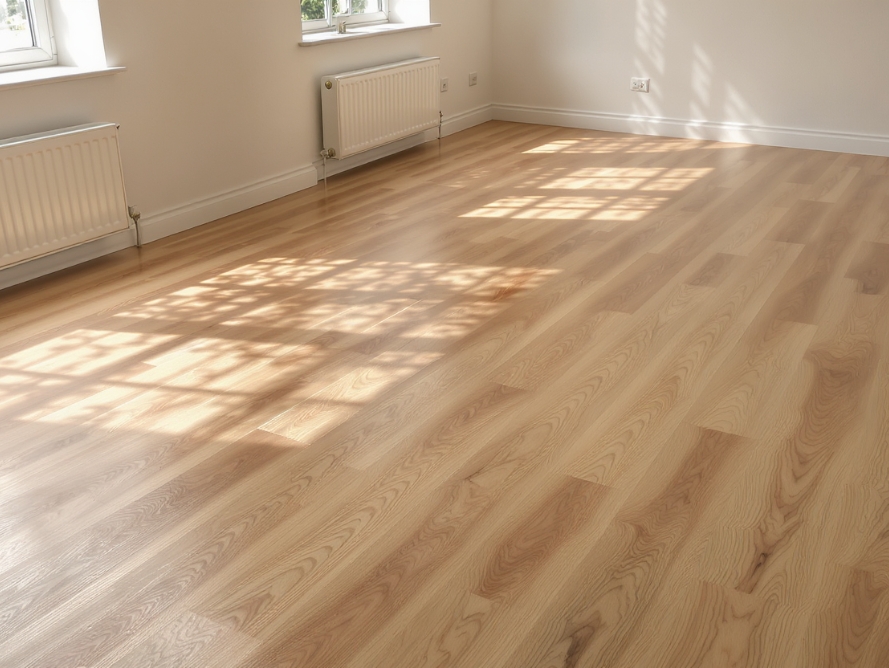
Hardwood remains one of the most desirable options because of its warmth, timeless appearance, and long-term value. It is also one of the strongest resale-related flooring categories cited by NAR in 2025, especially when existing hardwood is refinished properly.
Luxury vinyl flooring
Luxury vinyl is popular because it offers strong practicality, good moisture resistance, and lower maintenance. It is often selected for kitchens, entry areas, and high-use spaces where durability matters.
Laminate flooring
Laminate can provide a cost-effective wood-look option for homeowners who want a modern finish and easier maintenance.
Tile flooring
Tile remains a strong choice in bathrooms, kitchens, and other moisture-prone spaces. Because Maryland specifically requires MHIC licensing for installation of tile, wood, and other flooring, contractor selection matters here.
How to Choose the Right Flooring Material for Each Space
The best flooring project starts by matching the material to the realities of the room.
High-moisture areas
Bathrooms, laundry spaces, and some basements often perform better with moisture-aware materials such as tile or other water-resistant systems.
Main living spaces
Living rooms and bedrooms often prioritize warmth, visual continuity, and comfort, which is why wood-look systems and hardwood remain so common.
High-traffic zones
Hallways, kitchens, and entry points need materials that hold up under daily movement and are easier to clean consistently.
Lower-level or basement spaces
Below-grade areas may need special consideration around moisture and subfloor conditions. If the flooring work is part of a larger lower-level project, this page can support the next step:
👉 Basement Remodeling: https://hcconstructionllc.com/basement-remodeling/
The strongest result comes from choosing flooring based on performance first and style second, not the other way around.
Why Installation Quality Matters as Much as Material Choice
Many flooring problems come from what is underneath the floor, not the flooring itself. Poor leveling, weak transitions, trapped moisture, or rushed installation can cause:
gaps
movement
squeaking
lifting edges
cracking
shortened lifespan
A licensed contractor helps reduce these risks through better evaluation and proper prep. Maryland’s MHIC licensing structure exists to regulate home-improvement work and protect homeowners; the Department of Labor also provides licensing lookup and consumer guidance encouraging homeowners to verify licensure before hiring.
Floor Replacement vs. Floor Repair: Which Is Better?
Not every flooring issue requires full replacement. In some cases, localized repair or refinishing may be the smarter option. That is especially true with certain wood flooring situations, where NAR’s 2025 figures show refinishing can be a particularly strong value-retention move.
Replacement is usually the better route when:
the floor has widespread moisture damage
the subfloor is compromised
the material is outdated and failing in multiple areas
the homeowner wants a major style change across connected rooms
A professional evaluation helps determine whether targeted repair, refinishing, or full replacement is the better investment.
How Flooring Supports Other Remodeling Goals
Flooring often works best when it is planned with other improvements rather than treated as a completely separate project.
For example:
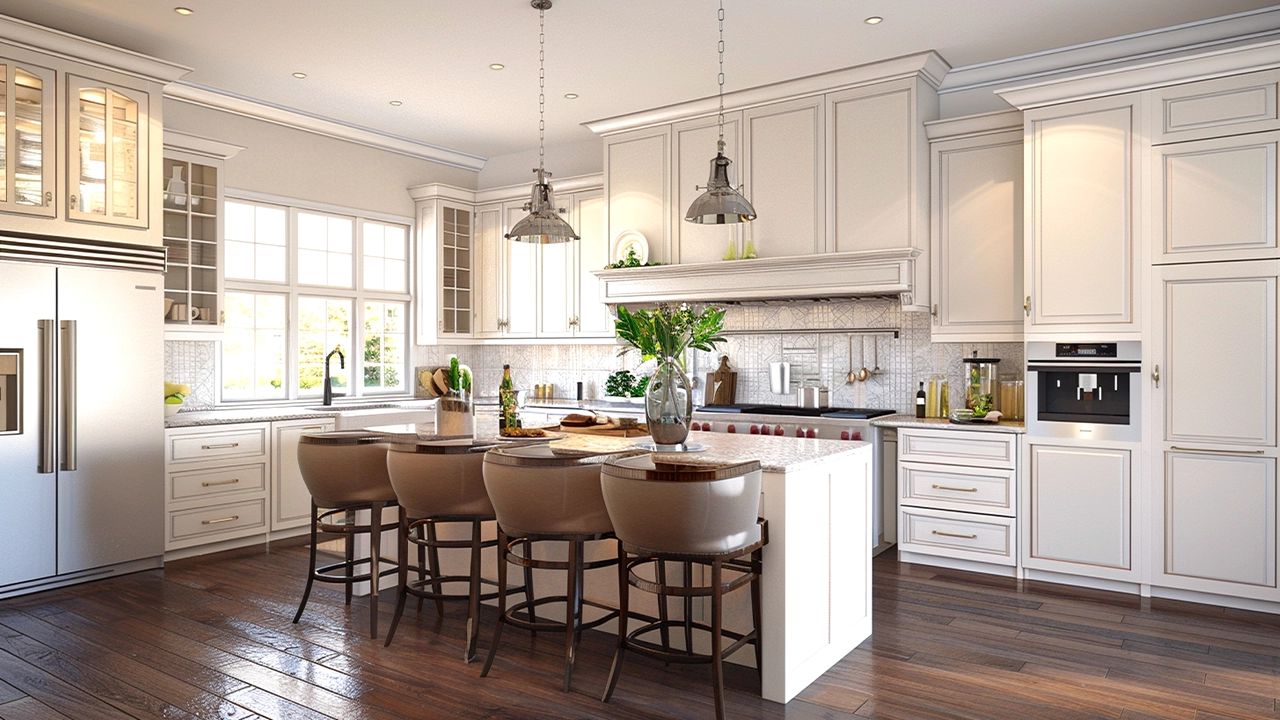
a kitchen upgrade often benefits from coordinated flooring planning
👉 Kitchen Remodeling: https://hcconstructionllc.com/kitchen-remodeling/bathrooms need moisture-aware flooring choices and correct transitions
👉 Bathroom Remodeling: https://hcconstructionllc.com/bathroom-remodeling/broader interior updates may benefit from contractor-level planning across multiple trades
👉 General Contractor Maryland: https://hcconstructionllc.com/general-contractor-maryland/
This type of internal coordination makes the entire home feel more cohesive and reduces the chance of duplicated work later.
Common Flooring Mistakes to Avoid
1) Choosing material based only on appearance
A material that looks right but performs poorly for the room conditions will become a costly disappointment.
2) Ignoring the subfloor
Uneven or compromised subfloors shorten the life of even premium flooring materials.
3) Underestimating moisture risk
This is especially important in bathrooms, basements, and some entry areas.
4) Mixing too many flooring styles without a plan
Too much visual inconsistency can weaken the look of the whole home.
5) Hiring without checking licensing
In Maryland, the state specifically notes that installing tile, wood, or other flooring requires MHIC licensing.
Flooring in Maryland
Explore Professional Flooring Services
If you’re planning a floor upgrade and want better material guidance, cleaner installation, and longer-lasting performance, explore our service here: