Home Additions in Maryland: A Smart Way to Gain Space Without Leaving the Home You Love
When a home starts to feel too small, many homeowners immediately think about moving. But moving is not always the most practical or cost-effective answer. In many cases, home additions in Maryland offer a better long-term solution: more functional space, more comfort, and a stronger property value without giving up the neighborhood, schools, commute, or lot you already know.
A well-planned home addition can transform the way your property works. It can create room for a growing family, a larger kitchen, a better entertaining area, a private office, or a more comfortable primary suite. The key is planning the project correctly from the beginning so the new space feels fully integrated with the existing home.
If you’re exploring professional expansion services, start here:
👉 Home Additions: https://hcconstructionllc.com/home-additions/
What a Home Addition Really Includes
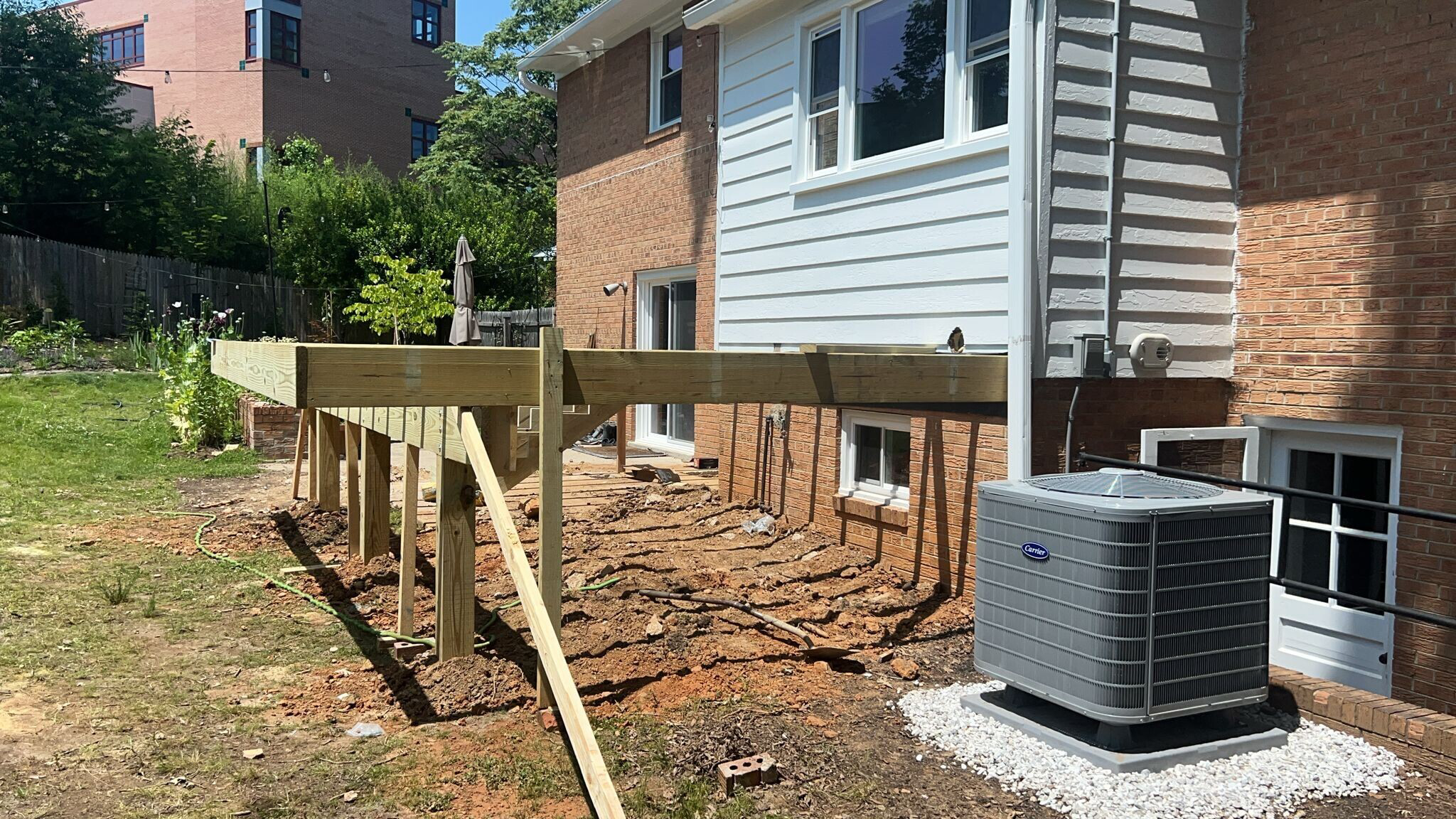
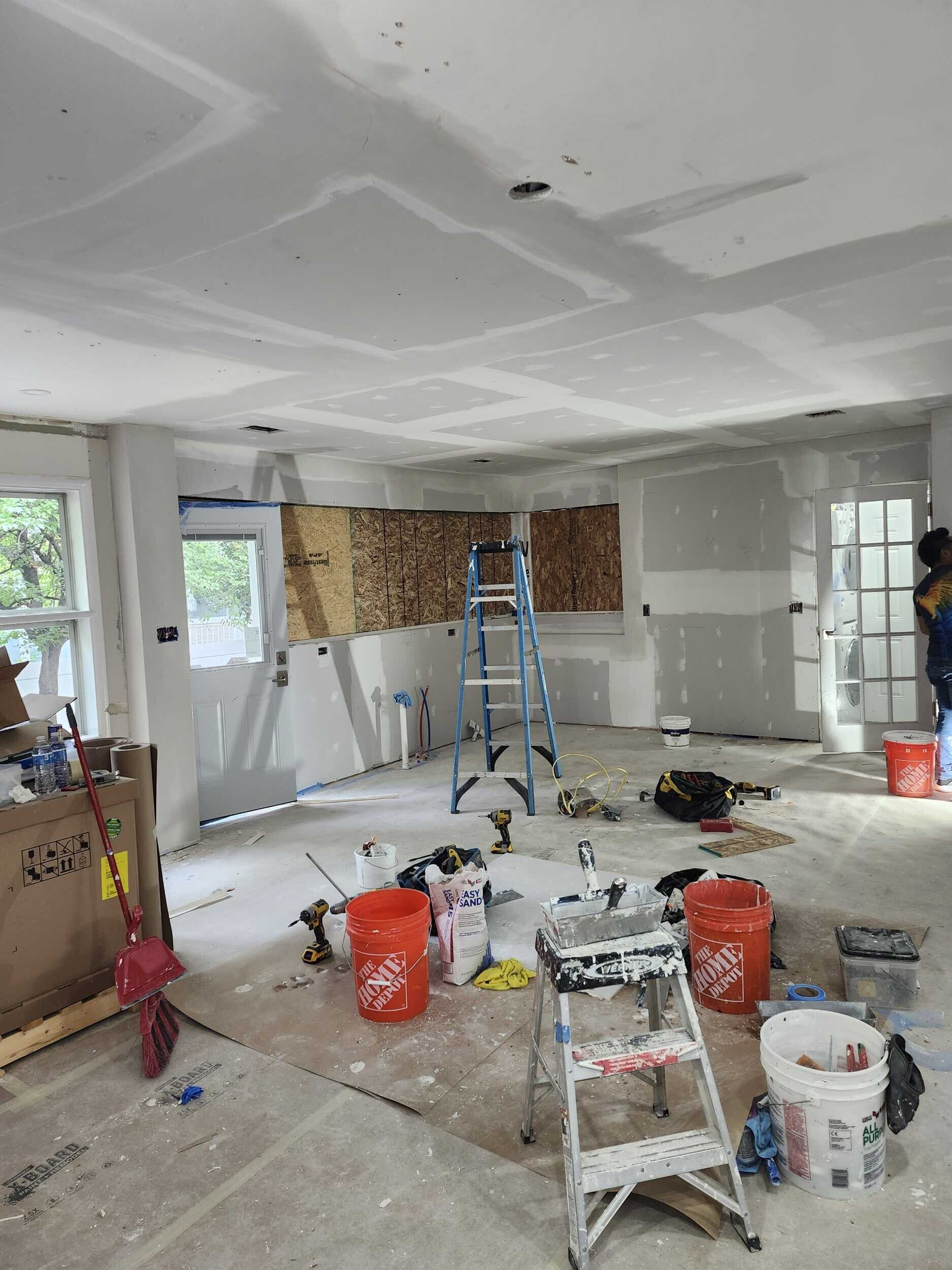
A home addition is not just “extra square footage.” A successful addition has to work structurally, visually, and functionally with the original house. It should not feel like a disconnected extra room—it should feel like the home was always meant to include it.
A professional home addition in Maryland often includes:
Existing-home evaluation and feasibility planning
Design and layout strategy
Structural integration with the current house
Permit coordination and code compliance
Electrical, HVAC, and plumbing planning as needed
Exterior alignment with the current architectural style
Interior finishing that matches the overall home design
This is why additions need more planning than many homeowners expect. The goal is not simply to add area. The goal is to add space that improves how the home lives.
Why Many Homeowners Choose an Addition Instead of Moving
You keep the location you already value
Renovating allows you to stay near the schools, services, neighbors, and commute patterns you already prefer.
You gain targeted space
Instead of buying an entirely different house, you improve the specific areas that no longer fit your lifestyle.
You improve long-term functionality
A good addition solves real daily problems: storage, circulation, privacy, comfort, and family growth.
You can strengthen property value
NAR’s 2025 Remodeling Impact materials show buyers continue to value major interior improvements and added living functionality; for example, they reported 54% cost recovery for a new primary suite and 56% for a bathroom addition in their cited rankings.
The Most Common Types of Home Additions
Different homes need different expansion strategies. The best project depends on lot conditions, budget, structure, and how you actually need the space to function.
Bedroom additions
Ideal for growing families, guest accommodation, or creating a true private suite.
Kitchen expansions
A kitchen addition can improve storage, traffic flow, natural light, and everyday usability.
Family room or living space additions
These projects create better gathering areas and often make the whole home feel more open and functional.
Office additions
A dedicated workspace can improve privacy and productivity without taking over another room in the house.
Second-story additions
Useful when lot size is limited but the home needs major square-footage growth.
Step 1: Start With Function, Not Just Size
One of the biggest mistakes in home additions is thinking only in terms of square footage. More space does not automatically mean better space.
Before planning an addition, ask:
What exact problem is the house failing to solve today?
Do you need more privacy, better circulation, or more usable storage?
Will the addition improve daily life, or just add a room without solving layout issues?
How should the new space connect to the rest of the home?
The best additions solve a specific lifestyle need, not just a general desire for “more room.”
Step 2: Permits and Licensing Matter More Than Homeowners Think
For additions, compliance is not optional. In Montgomery County, if you extend the area, height, or overall footprint of an existing one- or two-family dwelling, a permit is required before construction. The County also notes that projects may require additional approvals depending on scope, and some incorporated municipalities may require permits in addition to County approval.
At the state level, Maryland’s Home Improvement Commission licenses and regulates home-improvement contractors, including alteration and remodeling work on residences. MHIC also states that applicants for an original contractor license must meet licensing requirements, including passing the exam, and the Department notes that two years of trade experience or comparable education is required for an original contractor license.
This is one reason a licensed contractor is so important for additions: permits, inspections, and sequencing must be handled correctly from the start.
If your addition involves broader remodeling and trade coordination, this is also where your contractor hub page supports the journey:
👉 General Contractor Maryland: https://hcconstructionllc.com/general-contractor-maryland/
Step 3: Budget for the Whole System, Not Just the New Room
Homeowners often underestimate additions because they focus on visible finishes rather than the full build system.
A realistic addition budget should account for:
Design and planning
Permits and inspections
Structural work and framing
Roofing tie-ins
Exterior integration
Mechanical/electrical/plumbing coordination
Interior finishes and transitions
Matching or updating adjacent spaces when needed
The more seamlessly the addition integrates, the stronger the long-term value.
Step 4: Make the Addition Feel Native to the House
A weak addition often looks like it was “attached.” A strong addition feels native to the original structure.
That means aligning:
rooflines
windows and exterior proportions
flooring transitions
trim and finish style
lighting logic
circulation and doorway placement
This is where design discipline matters. The goal is not only more space, but a more complete home.
How Home Additions Support Larger Remodeling Goals
Many addition projects are strongest when they are planned together with related interior improvements.
For example:
A kitchen expansion may naturally connect to
👉 Kitchen Remodeling: https://hcconstructionllc.com/kitchen-remodeling/A growing household may also need bathroom capacity improvements
👉 Bathroom Remodeling: https://hcconstructionllc.com/bathroom-remodeling/If you are rethinking the property as a whole, the addition may be part of a broader transformation
👉 Full Home Remodeling: https://hcconstructionllc.com/full-home-remodeling/
This is exactly why internal planning matters. A home addition should strengthen the entire house, not operate as an isolated project.
Common Mistakes to Avoid in Home Addition Projects
1) Expanding without solving layout issues
If the original flow remains weak, the new square footage may not improve daily life as much as expected.
2) Underestimating permit requirements
Additions often involve more formal approvals than cosmetic remodeling.
3) Ignoring architectural consistency
A mismatched addition can reduce visual appeal and hurt resale perception.
4) Hiring without checking licensing and project fit
Additions need a contractor who understands structural integration, not just finishes.
5) Failing to plan adjacent updates
Sometimes the new room is not enough—neighboring spaces may also need improvement to make the project feel complete.
Home Additions in Maryland
Explore Professional Home Addition Services
If you’re planning to expand your home and want better design, permit coordination, and durable results, explore our service here: