Posted on Leave a comment

Basement Remodeling in Maryland: Planning, Moisture Control, Permits & ROI | H&C Construction

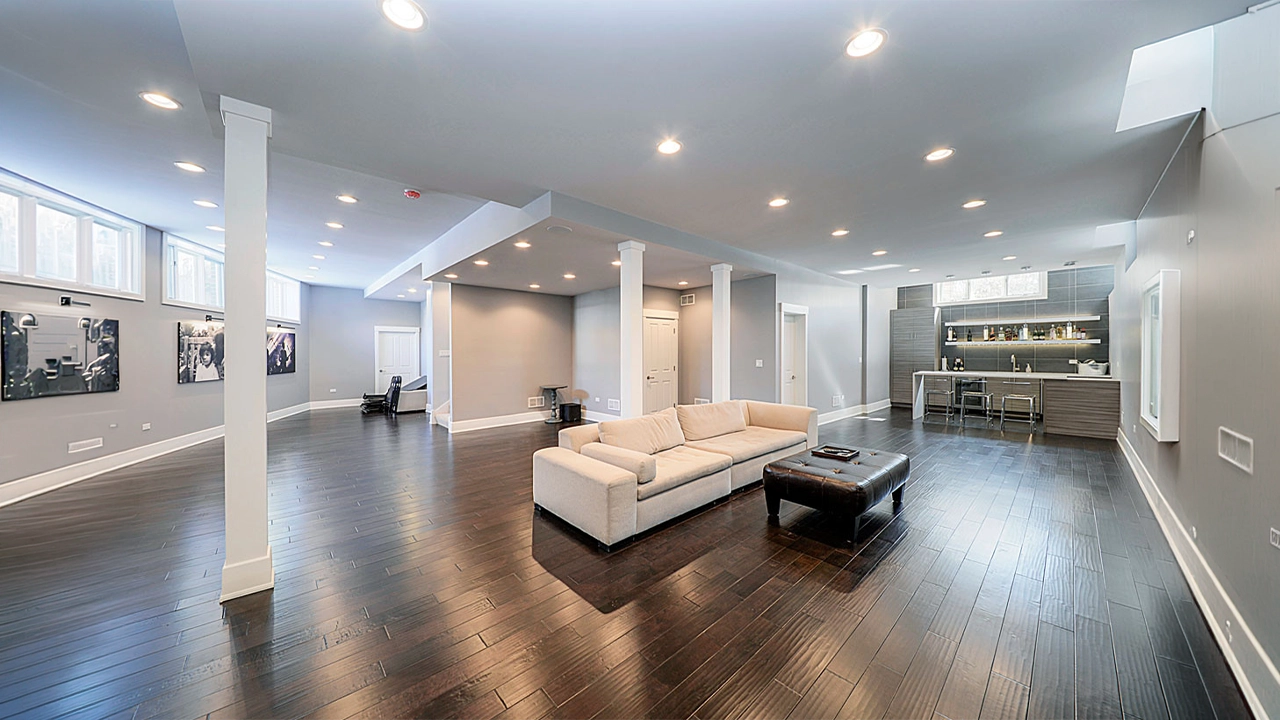
Finished basement remodeling in Maryland with modern lighting and durable flooring

Basement Remodeling in Maryland: A Homeowner’s Guide to Safe, Comfortable, High-Value Space

Finishing or remodeling a basement is one of the most effective ways to gain usable living space without expanding your home’s footprint. When done correctly, basement remodeling in Maryland can improve comfort, increase functionality, and strengthen long-term property value. When done poorly, basements become a source of moisture problems, musty odors, insulation failures, and expensive repairs.

This guide is designed to help Maryland homeowners plan a basement renovation the right way—focusing on moisture control, insulation, lighting, permits, and layout decisions that make the space truly livable. If you want professional help, explore our service here:
👉 Basement Remodeling: https://hcconstructionllc.com/basement-remodeling/


What Basement Remodeling Includes (and What Homeowners Often Miss)

A basement remodel is not only about making the space look nice. Basements are unique because they are below grade, often exposed to humidity, and highly sensitive to ventilation and insulation mistakes. A professional project focuses on performance first—then finishes.

A complete basement remodeling service in Maryland may include:

  • Moisture assessment and mitigation planning

  • Wall and floor systems designed for below-grade conditions

  • Insulation and ventilation strategy to prevent humidity buildup

  • Electrical planning (lighting, outlets, dedicated circuits when needed)

  • Layout design for function (office, gym, entertainment, guest space)

  • Flooring selection for durability and moisture resistance

  • Drywall, trim, and finishing details built for long-term performance

  • Permit coordination and inspections when required

Basement remodeling is successful when the space feels like part of the home—not an afterthought.


Step 1: Moisture Control Comes First (Before Any Design Decisions)

Moisture is the #1 reason basements fail over time. Even if a basement “looks dry,” humidity and hidden seepage can damage finishes from behind.

Before finishing a basement, a professional contractor evaluates:

  • signs of water intrusion

  • humidity levels and airflow

  • foundation condition and drainage factors

  • previous leak history and risk zones

Common basement moisture warning signs

  • musty odors

  • staining on walls or floors

  • peeling paint or bubbling drywall

  • damp corners after rain

  • visible mold or recurring condensation

A correct basement remodel starts with moisture prevention. Without that foundation, even premium finishes can fail.


Step 2: Insulation and Ventilation for Comfort and Long-Term Durability

A finished basement should feel comfortable year-round. That requires the right insulation approach for below-grade spaces and a ventilation strategy that controls humidity.

Why insulation matters in basement remodeling

  • improves thermal comfort

  • reduces condensation risk

  • helps protect finishes and materials

  • improves energy efficiency

Why ventilation matters

  • reduces humidity and musty smell

  • helps prevent mold growth

  • maintains healthier indoor air quality

Basements need materials designed for moisture resistance and smart airflow management—this is one of the biggest differentiators between professional remodeling and “cheap finishing.”


Step 3: Lighting and Layout: Make the Basement Feel Bigger

Many basements feel small because they lack natural light and use weak lighting plans. A strong lighting design changes perception instantly.

A professional basement lighting plan includes:

  • recessed LED lighting (clean and bright for low ceilings)

  • zone lighting (office zone, TV zone, hallways)

  • warm ambient lighting to reduce the “basement feel”

  • optional accent lighting for modern style

Layout matters just as much. The best basement remodels create purpose-based zones such as:

  • home office + storage zone

  • entertainment room + bar corner

  • gym + flexible open space

  • guest suite area (when code allows)


Step 4: Flooring That Works in Below-Grade Spaces

Basement flooring must be moisture-aware. Materials that work upstairs may fail below grade if they trap moisture or warp easily.

High-performing basement flooring options often include:

  • Luxury vinyl (LVP): durable, moisture-resistant, comfortable

  • Porcelain tile: strong and water-resistant, ideal for high-use zones

  • Engineered systems that account for vapor barriers and underlayment

Avoid selecting flooring purely by appearance—performance comes first in basements.


Step 5: Permits, Egress, and Safety Requirements (What Most Homeowners Don’t Plan Early)

Basement remodeling may require permits depending on:

  • electrical work

  • plumbing additions (bathroom, wet bar)

  • converting space into habitable rooms

  • adding bedrooms (egress requirements)

  • structural changes

A common mistake is designing the basement first and discovering later that the intended use requires compliance upgrades. A licensed contractor helps plan around real requirements from the beginning.

If your basement remodel involves multiple trades and permit coordination, it’s often best handled under general contractor oversight:
👉 General Contractor Maryland: https://hcconstructionllc.com/general-contractor-maryland/


High-Value Basement Remodel Ideas for Maryland Homes

A basement remodel becomes a strong investment when it adds real utility to the home. Here are popular uses that consistently deliver value:

Home Office Basement

A quiet, distraction-free workspace with lighting, outlets, and sound management.

Entertainment Room / Home Theater

A comfortable space for family gatherings, TV, gaming, and movie nights.

Home Gym

Durable flooring, mirrors, ventilation, and open layout for workouts and fitness.

Guest Suite / Extra Living Space

When code-compliant, a guest area can increase functionality and future flexibility.

Multifunctional Basement Zone

The best basement designs often combine multiple uses: office + entertainment + storage.


Why Basement Remodeling Increases Property Value in Maryland

Basements are valuable because they add usable space without expanding the structure. When professionally remodeled, a basement improves:

  • functional square footage

  • home comfort and versatility

  • buyer appeal and perceived quality

  • lifestyle flexibility (office, gym, guests, entertainment)

The value is strongest when the space is:

  • dry and odor-free

  • properly insulated and ventilated

  • professionally finished with durable materials

  • designed for real daily use


Basement Remodeling in Maryland

Explore Professional Basement Remodeling Services

If you want your basement to become a comfortable, functional, long-lasting living space, explore our full service here:
👉 https://hcconstructionllc.com/basement-remodeling/

Posted on Leave a comment

Bathroom Remodeling in Maryland: Planning, Materials, Showers, Permits & ROI | H&C Construction

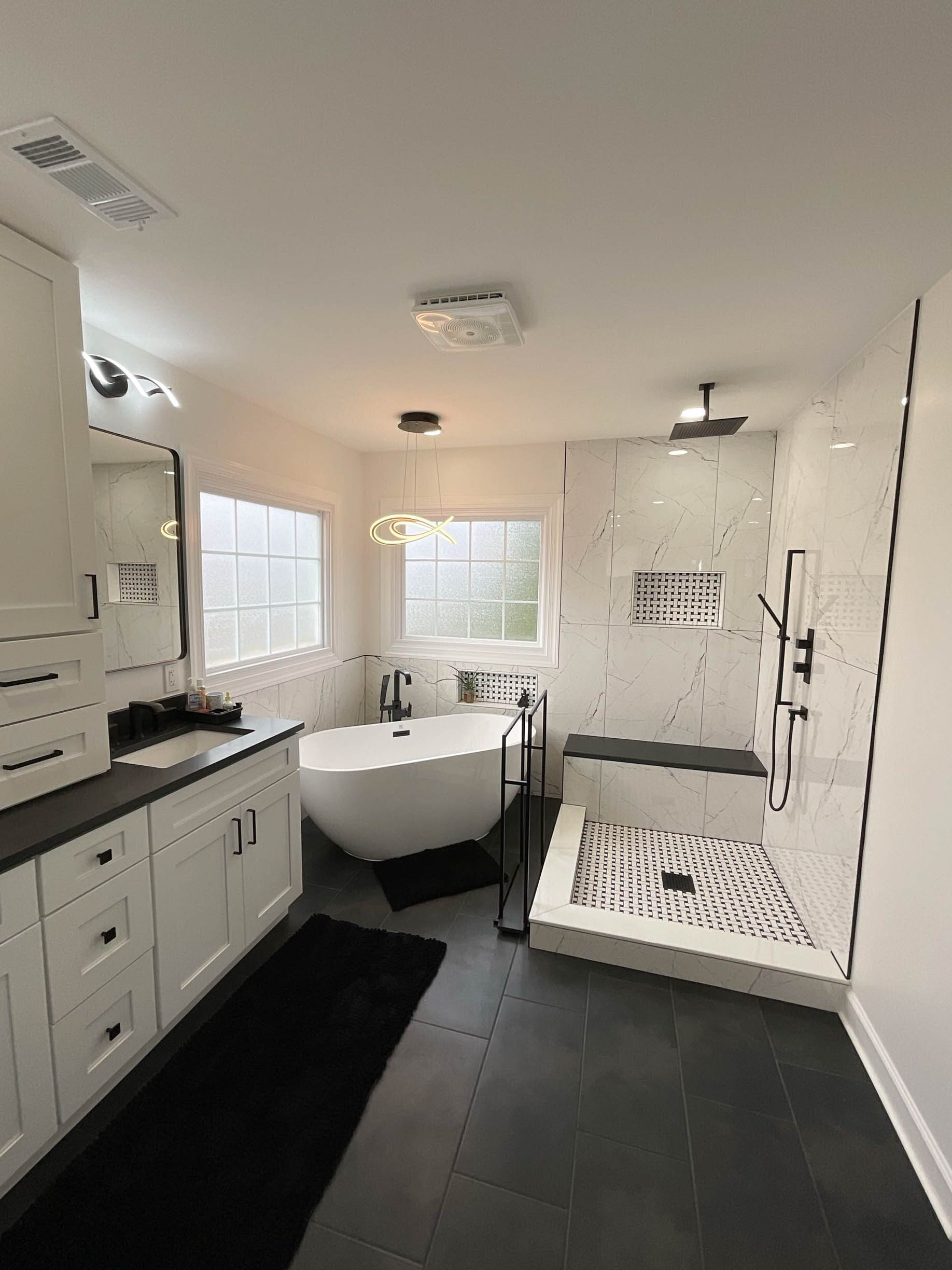
Beautiful Bathroom remodeling in Maryland

Bathroom Remodeling in Maryland: A Homeowner’s Guide to a Safer, Smarter Renovation

A bathroom remodel is one of the most effective upgrades you can make to improve daily comfort and long-term home value. When planned correctly, bathroom remodeling in Maryland upgrades function, improves efficiency, modernizes style, and reduces maintenance issues that often appear in high-moisture spaces. When executed poorly, bathrooms become a source of leaks, mold risk, and expensive repairs.

This guide is built to help Maryland homeowners plan smarter bathroom renovations—covering design decisions, waterproofing priorities, lighting, materials, and permit considerations. If you’re ready to work with professionals, explore our service here:
👉 Bathroom Remodeling: https://hcconstructionllc.com/bathroom-remodeling/


What Bathroom Remodeling Includes (Beyond New Tile)

Bathroom remodeling is not only about aesthetics. Bathrooms are “systems” that involve plumbing, ventilation, waterproofing, and safety. A professional remodel improves performance behind the walls—not just the visible finish.

A typical bathroom renovation in Maryland may include:

  • Shower or tub replacement

  • Tile and waterproofing systems

  • Plumbing fixture updates (valves, faucets, drains)

  • Vanity and storage improvements

  • Lighting redesign (task + ambient)

  • Ventilation upgrades (humidity control)

  • Flooring replacement with moisture-resistant materials

  • Drywall repair and moisture-safe finishes

  • Final sealing and detail finishing for durability

If your bathroom has recurring humidity issues, cracked grout, peeling paint, stains, or poor ventilation, remodeling can solve both the comfort issue and the long-term property risk.


Step 1: Start With Function and Safety (Not Style)

Many homeowners choose finishes first—then discover later the bathroom doesn’t function well. The strongest bathroom remodel begins with practical design planning.

Improve flow and daily usability

  • Ensure door swings and fixtures don’t block movement

  • Create enough clearance around toilet and vanity

  • Improve shower entry and daily access

  • Add storage where it matters (vanity, niches, medicine cabinets)

Prioritize safety upgrades

Bathrooms are high-risk zones for slips and moisture issues. Safety planning should include:

  • Slip-resistant flooring

  • Proper drainage slope in showers

  • Secure grab bar reinforcement (if needed)

  • Correct electrical protection (GFCI)

A safe bathroom is a better bathroom—especially long-term.


Step 2: Waterproofing and Ventilation (The “Invisible” ROI)

In Maryland, humidity control and moisture management are non-negotiable. Many “failed bathroom remodels” are actually waterproofing failures.

Waterproofing matters because:

  • tile and grout are not 100% waterproof

  • moisture can move behind walls and under floors

  • poor sealing leads to mold, rot, and structural deterioration

Ventilation matters because:

  • humidity builds faster in small bathrooms

  • trapped moisture damages paint, drywall, and caulking

  • improper ventilation increases mold risk

A professional bathroom remodeling contractor ensures:

  • correct waterproofing systems (not shortcuts)

  • sealed transitions (tub-to-wall, shower corners, floors)

  • code-aware ventilation design


Step 3: Choose Materials That Handle Moisture and Daily Use

Good bathroom materials should resist water exposure, clean easily, and maintain appearance over time.

Flooring options (performance-first)

  • Porcelain tile: durable, water-resistant, long lifespan

  • Luxury vinyl (LVP): water-resistant, comfortable underfoot, easy maintenance

  • Textured tile: better traction for safety

Wall and shower finishes

  • Large-format porcelain tile (fewer grout lines = easier cleaning)

  • Proper grout/sealants for moisture resistance

  • Niches and shelving designed for drainage and durability

Vanity and storage

  • Moisture-resistant cabinetry

  • Quartz or durable countertop surfaces

  • Practical storage layout to reduce clutter

Material selection should match your real lifestyle: kids, maintenance preference, and daily traffic.


Step 4: Shower vs. Bathtub — What’s Best for Your Home?

This is one of the most important remodeling decisions. The right choice depends on space, lifestyle, and long-term use.

Walk-in shower advantages

  • modern appearance

  • easy daily access

  • great for small bathrooms

  • lower maintenance when designed correctly

Bathtub advantages

  • useful for families with children

  • comfort and relaxation

  • traditional resale appeal in many homes

Many homeowners choose a hybrid approach when space allows: a tub in a secondary bathroom and a premium shower in the primary bath.


Step 5: Lighting That Makes Bathrooms Feel Bigger and More Comfortable

Lighting changes everything in bathrooms—especially small bathrooms. A strong lighting plan improves both function and atmosphere.

A professional bathroom lighting plan should include:

Task lighting

For mirrors and grooming:

  • LED mirror lighting or side sconces

  • clear, shadow-minimizing placement

Ambient lighting

To make the space feel clean and open:

  • recessed ceiling lights

  • warm, balanced light temperature

Accent lighting (optional)

  • niche lighting

  • soft indirect lighting for comfort

Bathrooms with proper lighting look larger, cleaner, and more modern—without adding square footage.


Permits, Codes, and Why Licensed Contractors Matter in Bathroom Remodeling

Depending on the remodel scope, permits may be required—especially when:

  • plumbing lines change

  • electrical circuits are upgraded

  • ventilation is modified

  • structural changes occur

A licensed general contractor helps coordinate compliance and keeps work inspection-ready. If your bathroom remodel is part of a larger renovation or involves multiple trades, explore:
👉 General Contractor Maryland: https://hcconstructionllc.com/general-contractor-maryland/


How Bathroom Remodeling Improves Home Value in Maryland

Bathroom upgrades are high-impact because buyers and homeowners value:

  • clean, modern finishes

  • strong ventilation (no moisture smell)

  • functional layout

  • durable materials

  • minimal maintenance

A professionally executed bathroom remodel increases market confidence and improves perceived property quality—especially when moisture and ventilation are handled correctly.


Bathroom Remodeling in Maryland

Explore Professional Bathroom Remodeling Services

If you’re planning a bathroom renovation and want durable results, code-aware execution, and high-quality finishes, explore our full service here:

👉 https://hcconstructionllc.com/bathroom-remodeling/